Với hơn 10 năm kinh nghiệm về vận chuyển khí nén, Headpowder Sơn Đông cung cấp hệ thống, thiết bị và quạt gió toàn chuỗi, đảm nhận các dự án kỹ thuật bột trọn gói trên toàn quốc.
When it comes to the desulfurization process, the efficient and reliable transport of sodium bicarbonate is a critical factor. Various methods are employed to move this chemical, each with its own set of advantages and disadvantages. Understanding these options is essential for optimizing the desulfurization system's performance and ensuring operational efficiency. This article provides a detailed comparison of common sodium bicarbonate transport methods used in industrial desulfurization applications.
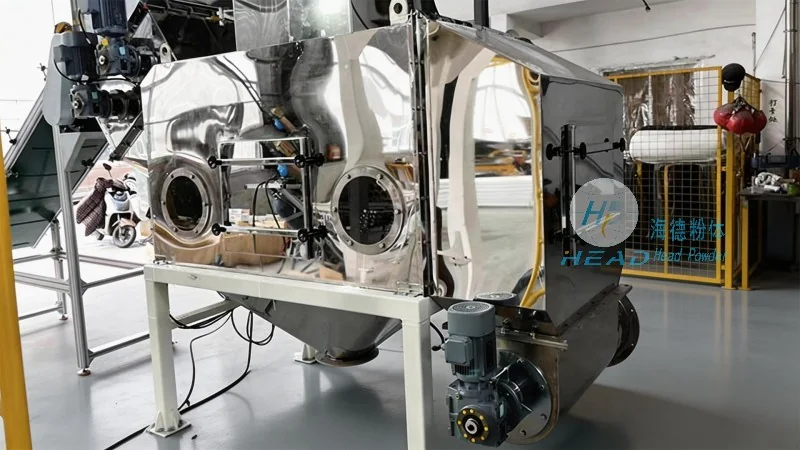
Company Profile: Shandong HeadPowder Engineering Co., Ltd.
Shandong HeadPowder Engineering Co., Ltd., commonly known as HeadPowder, is a professional manufacturer specializing in chemical engineering solutions. With a focus on high-quality products and technical expertise, HeadPowder provides comprehensive services for industries involved in desulfurization and related processes. The company is headquartered in Shandong, China, and is committed to delivering reliable equipment and support for sodium bicarbonate transport systems.
Method 1: Pneumatic Conveying Systems
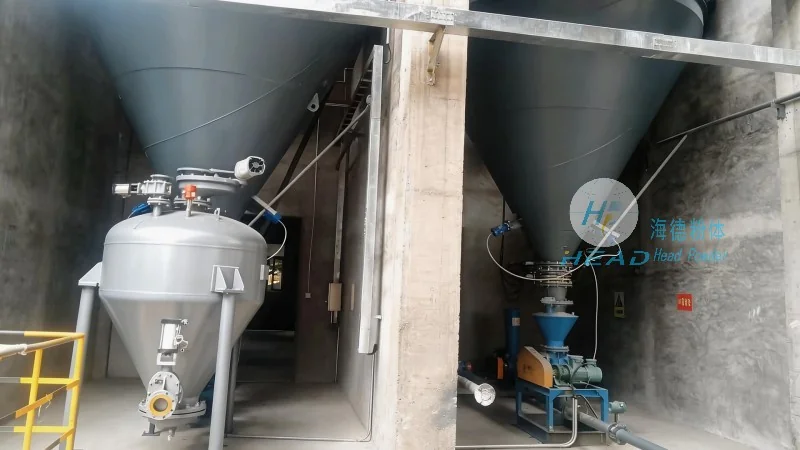
Pneumatic conveying systems are widely used for transporting sodium bicarbonate in desulfurization plants. This method involves using air or other gases to move the material through a pipeline. The primary advantage of pneumatic conveying is its ability to transport materials over long distances without the need for mechanical components like conveyors or elevators. It also allows for the simultaneous transport of multiple materials, which can enhance operational flexibility. However, pneumatic conveying systems require significant energy input to generate the necessary air pressure, leading to higher operational costs. Additionally, they may not be suitable for transporting large quantities of material due to potential blockages or pressure drops in the system. The system also needs regular maintenance to ensure consistent performance and prevent equipment failure.
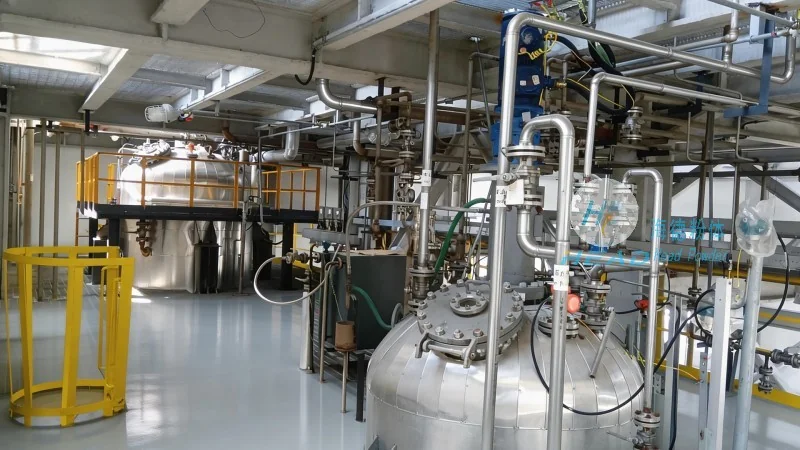
Method 2: Screw Conveyors
Screw conveyors are another common method for transporting sodium bicarbonate. These systems use a rotating screw to move the material along a tube or trough. Screw conveyors are known for their simplicity and reliability. They are relatively low-cost to install and maintain, making them an attractive option for many industrial applications. The design is straightforward, with minimal moving parts, which reduces the risk of mechanical failure. However, screw conveyors have limitations in terms of the material's moisture content and particle size. Excessive moisture can cause the screw to bind or the material to stick to the trough, leading to blockages. Similarly, very large or irregularly shaped particles may not be efficiently conveyed, potentially causing wear on the screw and trough components. The system also has a limited capacity compared to other methods, which may restrict its use in high-volume operations.
Method 3: Belt Conveyors
Belt conveyors are often used for transporting sodium bicarbonate in bulk quantities. This method involves a continuous belt that moves the material from one point to another. Belt conveyors are capable of handling large volumes of material and can transport it over long distances. They are highly efficient and can operate continuously without interruption. The system is also relatively easy to install and maintain, with standard components that are readily available. However, belt conveyors require a significant amount of space for installation, which may be a constraint in some industrial settings. They are also susceptible to damage from material that is too abrasive or has sharp edges, which can lead to belt wear and replacement costs. Additionally, the system may not be suitable for transporting materials with high moisture content, as this can cause the belt to slip or the material to stick to it.
Method 4: Hydraulic Conveying
Hydraulic conveying systems use water or other fluids to transport sodium bicarbonate. This method is particularly effective for transporting materials that are difficult to move by other means, such as fine powders or those with high moisture content. The primary advantage of hydraulic conveying is its ability to handle materials with high moisture content without causing blockages. It also allows for the transport of materials over long distances with minimal energy input compared to pneumatic systems. However, hydraulic conveying systems require a large amount of water, which increases operational costs and may lead to environmental concerns. The system also needs regular cleaning to prevent clogging, as the fluid can carry particles that accumulate in the pipes. Additionally, the equipment is more complex and requires specialized maintenance, which can increase the overall cost of operation.
Conclusion and Recommendations
When selecting a sodium bicarbonate transport method for a desulfurization system, it is essential to consider the specific requirements of the application. Pneumatic conveying is suitable for long-distance transport and multiple materials but has higher energy costs. Screw conveyors are simple and reliable but have limitations with moisture and particle size. Belt conveyors are efficient for bulk transport but require more space and may be damaged by abrasive materials. Hydraulic conveying is effective for high-moisture materials but requires more water and complex maintenance. Shandong HeadPowder Engineering Co., Ltd. offers a range of transport solutions tailored to these needs, ensuring that clients can choose the most appropriate method for their desulfurization process. By understanding the advantages and disadvantages of each method, industrial operators can optimize their systems for efficiency, reliability, and cost-effectiveness.

 Shandong Headpowder Engineering Co., Ltd.
 156-6277-7102(Quản lý Trương)
  0531-83386006
  Thành phố Tế Nam, Tỉnh Sơn Đông, Trung Quốc
Điện thoại
WeChatTư vấn
Lên đầu