Với hơn 10 năm kinh nghiệm về vận chuyển khí nén, Headpowder Sơn Đông cung cấp hệ thống, thiết bị và quạt gió toàn chuỗi, đảm nhận các dự án kỹ thuật bột trọn gói trên toàn quốc.
In the agricultural and livestock industry, efficient manure handling is crucial for maintaining hygiene, reducing environmental impact, and optimizing resource utilization. Among the various methods used for transporting dry manure, several approaches have emerged, each with distinct advantages and disadvantages. This article provides a detailed comparison of common dry manure transport methods, helping stakeholders make informed decisions based on their specific operational needs.
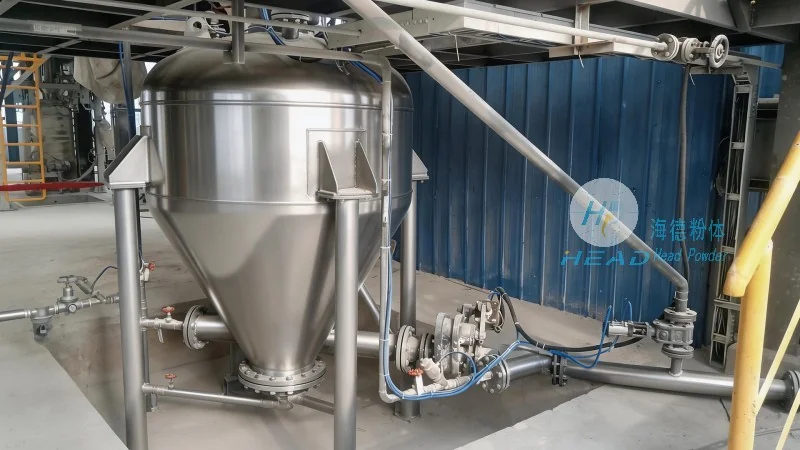
Overview of Dry Manure Transport Methods
Dry manure transport methods are categorized based on the principle of movement, energy source, and system complexity. The primary methods include gravity-based systems, mechanical systems (such as belt conveyors and screw conveyors), and pneumatic systems (vacuum or pressure). Each method has unique characteristics that affect its suitability for different farm sizes, manure types, and environmental conditions.
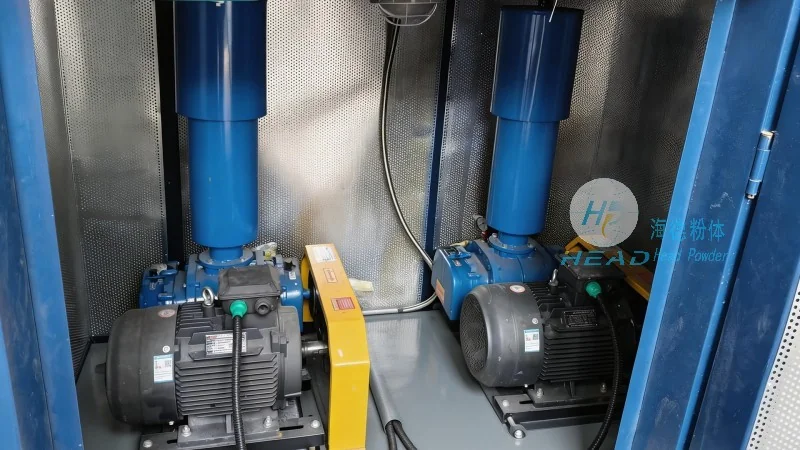
1. Gravity-Based Transport Systems
Gravity-based transport systems rely on the natural slope of the ground or a constructed ramp to move dry manure from one location to another. This method is often used in hilly or sloped farm environments where the terrain facilitates the flow of manure without the need for external power. The primary advantage of gravity systems is their low operational cost, as they require minimal maintenance and no electricity or fuel. However, their effectiveness is highly dependent on the topography of the farm; areas with flat terrain may not be suitable for this approach. Additionally, the speed of transport is slower compared to mechanical or pneumatic systems, which can limit the overall efficiency of large-scale operations.
2. Mechanical Transport Systems (Belt and Screw Conveyors)
Mechanical transport systems utilize rotating components to move dry manure through a closed or open channel. Belt conveyors are commonly used for horizontal or slightly inclined transport, while screw conveyors are ideal for vertical or steep incline applications. These systems are widely adopted due to their reliability and ability to handle large volumes of manure. The key advantages include consistent performance, ease of installation, and the capacity to transport manure over longer distances without significant loss of moisture. However, mechanical systems require regular maintenance to prevent wear and tear on components, and they may be more expensive to install compared to gravity systems. Moreover, the noise generated by rotating parts can be a concern in residential or sensitive areas.
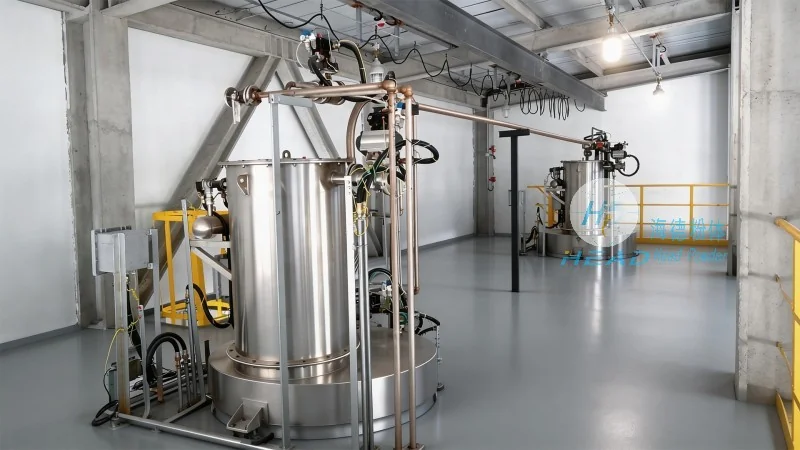
3. Pneumatic Transport Systems (Vacuum and Pressure)
Pneumatic systems use air pressure to move dry manure through a pipeline. Vacuum systems draw manure into the pipe using a suction mechanism, while pressure systems push it through using compressed air. This method is particularly effective for long-distance or complex route transport, as it can navigate through multiple turns and elevations. The main advantages of pneumatic transport include high flexibility, the ability to handle fine or granular manure, and minimal exposure of personnel to the material. However, these systems are generally more complex and costly to set up and maintain. They also require a constant supply of compressed air, which adds to operational expenses. Furthermore, the risk of air leaks or blockages can affect system performance and may necessitate specialized cleaning procedures.
4. Comparative Analysis of Advantages and Disadvantages
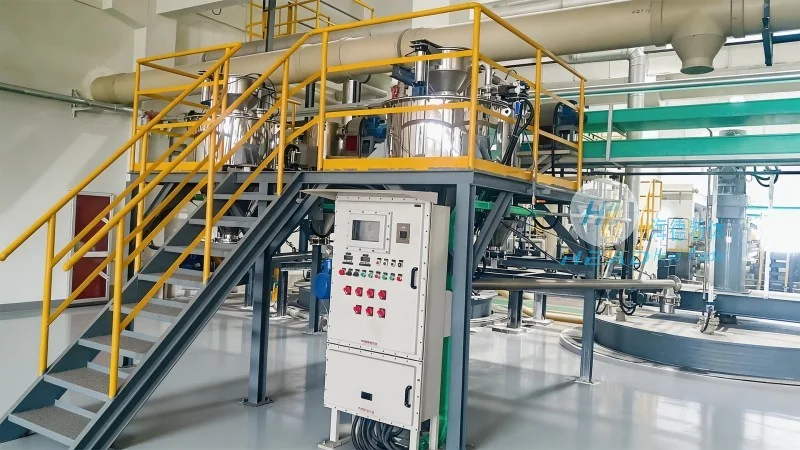
When evaluating dry manure transport methods, several factors must be considered, including cost, efficiency, scalability, and environmental impact. Gravity systems are the most economical option for suitable terrains but are limited by topography. Mechanical systems offer reliable performance and high capacity but demand regular maintenance. Pneumatic systems provide flexibility and can handle complex routes but are more expensive and energy-intensive. The choice of method ultimately depends on the specific requirements of the farm, such as the size of the operation, the type of livestock, and the available infrastructure.
Conclusion
Efficient dry manure transport is essential for sustainable agricultural practices. By understanding the advantages and disadvantages of each method, farmers and agricultural engineers can select the most appropriate system for their needs. The team at Shandong HeadPowder Engineering Co., Ltd. specializes in designing and implementing customized manure transport solutions tailored to the unique challenges of various agricultural settings. With a focus on innovation and practicality, HeadPowder provides reliable equipment and expert guidance to enhance manure management efficiency and environmental compliance.

 Shandong Headpowder Engineering Co., Ltd.
 156-6277-7102(Quản lý Trương)
  0531-83386006
  Thành phố Tế Nam, Tỉnh Sơn Đông, Trung Quốc
Điện thoại
WeChatTư vấn
Lên đầu