Với hơn 10 năm kinh nghiệm về vận chuyển khí nén, Headpowder Sơn Đông cung cấp hệ thống, thiết bị và quạt gió toàn chuỗi, đảm nhận các dự án kỹ thuật bột trọn gói trên toàn quốc.
When it comes to transporting copper sulfate, selecting the right method is crucial for ensuring efficiency, safety, and cost-effectiveness. Copper sulfate, commonly used in agriculture, water treatment, and industrial processes, requires reliable transport solutions that can handle its chemical properties and application requirements. This article provides a detailed comparison of common copper sulfate transport methods, highlighting their advantages, limitations, and suitability for different scenarios. We will explore options such as pipeline transport, pump-assisted delivery, and bulk truck transport, offering insights into how each method can meet the needs of various industries.
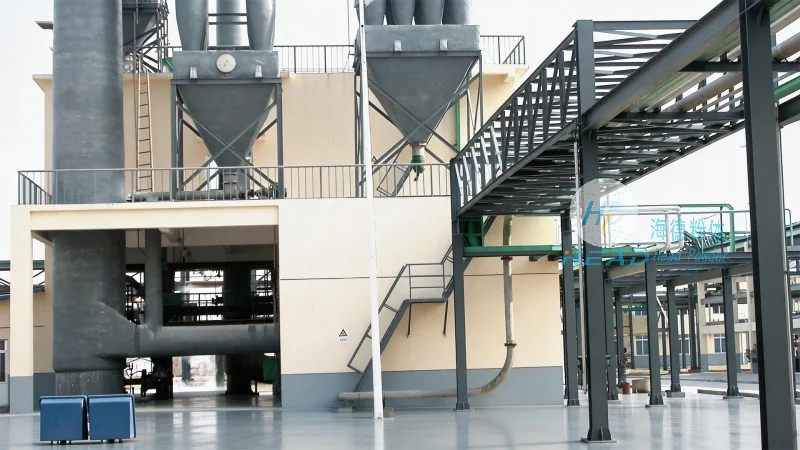
1. Pipeline Transport: Continuous and Efficient Delivery
Pipeline transport is a widely used method for moving copper sulfate, especially in large-scale industrial applications. This approach involves pumping the liquid through a network of pipes, which can be buried or above ground. The primary advantage of pipeline transport is its ability to provide continuous, uninterrupted flow, reducing the need for frequent loading and unloading. This method is particularly effective for plants that require a steady supply of copper sulfate for processes like water treatment or chemical manufacturing. The system can be designed to handle varying flow rates, ensuring that the copper sulfate is delivered at the optimal pressure and temperature. Additionally, pipelines minimize the risk of spills and contamination, as the material remains enclosed within the system. However, pipeline transport requires significant upfront investment in infrastructure, including pipe installation, pumping equipment, and maintenance. It may also be less flexible for smaller operations or those with varying demand, as changing the flow rate or route can be complex and costly. For large-scale facilities, the long-term cost savings and operational efficiency often justify the initial investment.
2. Pump-Assisted Delivery: High-Pressure and Precise Control
Pump-assisted delivery is another common method for transporting copper sulfate, often used when the material needs to be moved over longer distances or to higher elevations. This approach involves using specialized pumps, such as centrifugal or positive displacement pumps, to generate the necessary pressure for transport. The primary benefit of pump-assisted delivery is its ability to provide high-pressure, precise control over the flow rate and pressure. This is especially important for applications that require consistent concentration or pressure, such as in water treatment plants or industrial processes where copper sulfate is used as a coagulant or disinfectant. The pumps can be equipped with flow meters and pressure gauges to monitor performance in real time, ensuring that the system operates within safe parameters. Additionally, pump-assisted systems can be integrated with automation controls, allowing for remote monitoring and adjustments. However, pump-assisted delivery may require more maintenance than other methods, as pumps need regular checks and potential repairs. The energy consumption is also higher compared to gravity-fed systems, which can increase operational costs. Despite these considerations, pump-assisted delivery offers flexibility and reliability, making it suitable for a wide range of industrial applications.
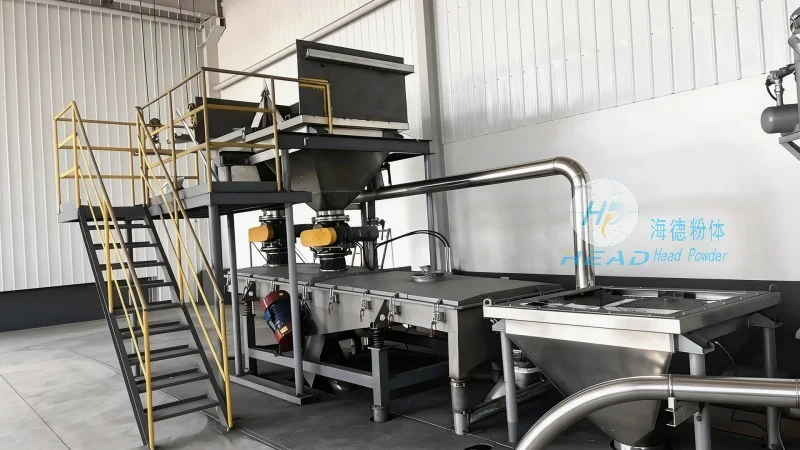
3. Bulk Truck Transport: Flexible and Versatile Solution
Bulk truck transport is a flexible and widely adopted method for moving copper sulfate, particularly for smaller quantities or for applications that require delivery to multiple locations. This approach involves loading the copper sulfate into bulk trucks, which are equipped with specialized tanks or containers designed to handle the chemical. The primary advantage of bulk truck transport is its flexibility, as it can be used for both short and long-distance transport, and can reach locations that are not easily accessible by pipelines or fixed infrastructure. This method is ideal for agricultural applications, where copper sulfate is used as a fungicide or fertilizer, as it allows for direct delivery to farms or orchards. The trucks can be equipped with agitation systems to ensure the material remains well-mixed and free of sediment, preventing clogging or uneven distribution. Additionally, bulk truck transport allows for on-site mixing or dilution, providing customers with customized solutions tailored to their specific needs. However, bulk truck transport may have higher transportation costs compared to pipeline systems, especially for long distances. The risk of spills or leaks during loading and unloading also exists, requiring proper handling and safety measures. Despite these challenges, bulk truck transport remains a popular choice due to its versatility and ability to serve a diverse range of customers.
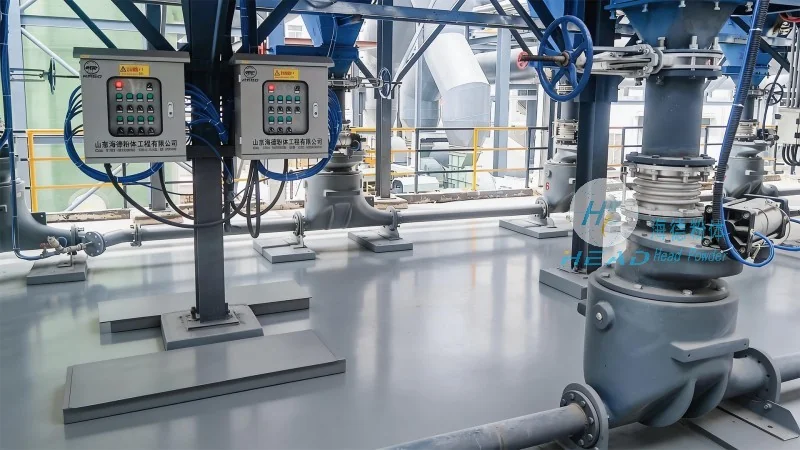
4. Comparing the Methods: Which is Right for You?
When choosing a copper sulfate transport method, several factors should be considered, including the scale of operation, distance to be covered, and specific application requirements. Pipeline transport is best suited for large-scale, continuous operations with fixed locations, offering long-term cost savings and efficiency. Pump-assisted delivery is ideal for applications requiring high-pressure and precise control, such as industrial processes or water treatment. Bulk truck transport provides flexibility and is suitable for smaller quantities or varied delivery locations, making it a good choice for agricultural or smaller-scale industrial use. The choice also depends on the initial investment and ongoing maintenance costs. For example, pipeline transport requires significant upfront capital, but offers lower operational costs over time. Pump-assisted systems may have higher energy costs but provide greater control and reliability. Bulk truck transport has lower initial investment but higher transportation costs per unit. Ultimately, the best method depends on the specific needs of the user and the operational context.
Conclusion: Selecting the Right Transport Method for Copper Sulfate
Choosing the appropriate copper sulfate transport method is essential for optimizing operations and ensuring the safe and efficient delivery of this important chemical. Each method has its own advantages and limitations, and the right choice depends on factors such as scale, distance, and application. Pipeline transport offers continuous and efficient delivery for large-scale industrial use. Pump-assisted delivery provides high-pressure and precise control, suitable for industrial processes. Bulk truck transport offers flexibility and is ideal for smaller quantities or varied locations. By understanding the characteristics of each method and considering the specific requirements of the operation, businesses can select the most effective transport solution. For companies seeking reliable and professional copper sulfate transport solutions, Shandong HeadPowder Engineering Co., Ltd. (headpowder) offers expertise and customized solutions tailored to meet the needs of various industries. With a focus on quality and efficiency, headpowder provides comprehensive transport options, including pipeline systems, pump-assisted delivery, and bulk truck transport, ensuring that copper sulfate is delivered safely and effectively to meet the demands of modern applications. Whether for agriculture, water treatment, or industrial processes, headpowder's solutions help businesses optimize their operations and achieve their goals.

 Shandong Headpowder Engineering Co., Ltd.
 156-6277-7102(Quản lý Trương)
  0531-83386006
  Thành phố Tế Nam, Tỉnh Sơn Đông, Trung Quốc
Điện thoại
WeChatTư vấn
Lên đầu