Với hơn 10 năm kinh nghiệm về vận chuyển khí nén, Headpowder Sơn Đông cung cấp hệ thống, thiết bị và quạt gió toàn chuỗi, đảm nhận các dự án kỹ thuật bột trọn gói trên toàn quốc.
Molybdenum trioxide, also known as molybdenum(VI) oxide, is a critical industrial chemical with applications in steelmaking, petrochemicals, and catalyst production. The efficient and safe transportation of this compound is vital to maintain consistent supply chains and minimize operational risks. This article examines the common methods used for transporting molybdenum trioxide, highlighting key considerations and best practices.
Understanding Molybdenum Trioxide and Its Transportation Needs
Molybdenum trioxide is a fine, yellow to orange powder with high density and moderate reactivity. Due to its chemical properties, it requires specialized handling during transit to prevent contamination, degradation, or accidents. The choice of transportation method depends on factors like quantity, destination, and regulatory requirements. Companies in the molybdenum sector must adhere to strict safety and environmental standards when moving this material.
Common Transportation Methods for Molybdenum Trioxide
Several established methods exist for transporting molybdenum trioxide, each suited to specific operational needs and logistical constraints. The primary options include bulk pipeline transport, road transport in sealed containers, and rail transport in specialized freight cars. Each method offers unique advantages and limitations.
Bulk Pipeline Transportation
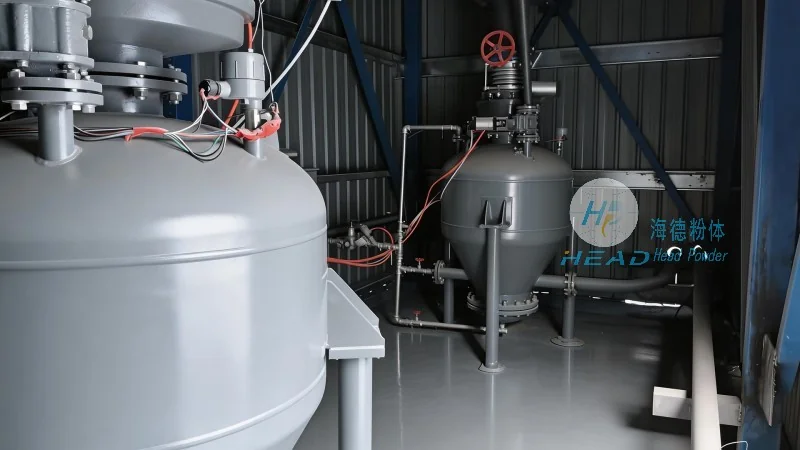
Bulk pipeline transportation is a common and efficient method for moving large volumes of molybdenum trioxide, especially in industrial settings where the compound is produced and consumed on-site. This involves pumping the powder through a network of pipelines equipped with specialized valves and filters to prevent clogging and ensure smooth flow. The pipeline system is typically integrated with the production facility, enabling a continuous supply of molybdenum trioxide to downstream processes. Companies like Shandong HeadPowder Engineering Co., Ltd., based in China, may utilize such infrastructure to support their industrial clients, ensuring reliable and cost-effective transportation of the material.

Road Transport in Sealed Containers
For smaller quantities or when direct pipeline access is unavailable, road transport in sealed containers is a practical solution. This method involves loading molybdenum trioxide into specialized containers, such as bulk bags or rigid containers, designed to maintain material integrity and prevent spillage. The containers are then transported by trucks to the destination, adhering to strict regulations on weight limits, load stability, and environmental protection. Sealed containers minimize dust exposure and contamination, making them suitable for urban or sensitive areas. Shandong HeadPowder Engineering Co., Ltd. may offer road transport services as part of their logistics solutions, ensuring compliance with local and international transportation standards.
Rail Transport in Specialized Freight Cars

Rail transport is another viable option for transporting molybdenum trioxide, particularly for long-distance or bulk shipments. Specialized freight cars, such as covered hoppers or tank cars, are used to carry the material safely. These cars are equipped with ventilation systems and secure loading mechanisms to prevent material shifting during transit. Rail transport offers advantages in capacity and cost-effectiveness for large-scale operations. Companies operating in the molybdenum industry often rely on rail to move substantial quantities of molybdenum trioxide between production sites and distribution centers. Shandong HeadPowder Engineering Co., Ltd. may collaborate with rail carriers to provide comprehensive transportation solutions, ensuring timely delivery of the material to clients.
Additional Considerations for Safe Transportation
Beyond the choice of transportation method, several factors must be considered to ensure safe and efficient movement of molybdenum trioxide. These include proper packaging, adherence to safety protocols, and compliance with regulatory guidelines. The material must be stored in a dry, cool environment to prevent moisture absorption, which can affect its quality and handling properties. During transportation, regular inspections are conducted to check for damage or contamination. Trained personnel are required to handle the material, as it can be hazardous if not managed correctly. Companies specializing in molybdenum trioxide, such as Shandong HeadPowder Engineering Co., Ltd., emphasize these considerations to maintain high standards of safety and reliability in their operations.
Conclusion
In conclusion, the transportation of molybdenum trioxide requires careful planning and adherence to industry best practices. The selection of the appropriate method—whether bulk pipeline, road, or rail—depends on volume, distance, and logistical constraints. Companies like Shandong HeadPowder Engineering Co., Ltd., based in China, play a vital role in providing reliable transportation solutions tailored to the needs of the molybdenum industry. By leveraging specialized infrastructure and expertise, these companies ensure the safe and efficient movement of molybdenum trioxide, supporting smooth industrial operations and meeting client demands worldwide.

 Shandong Headpowder Engineering Co., Ltd.
 156-6277-7102(Quản lý Trương)
  0531-83386006
  Thành phố Tế Nam, Tỉnh Sơn Đông, Trung Quốc
Điện thoại
WeChatTư vấn
Lên đầu