Với hơn 10 năm kinh nghiệm về vận chuyển khí nén, Headpowder Sơn Đông cung cấp hệ thống, thiết bị và quạt gió toàn chuỗi, đảm nhận các dự án kỹ thuật bột trọn gói trên toàn quốc.
When it comes to transporting sulfate nickel, selecting the right conveying method is crucial for ensuring efficiency, safety, and cost-effectiveness in industrial operations. Sulfate nickel, a key raw material in battery production and other chemical processes, requires specialized handling due to its properties such as moisture sensitivity and potential dust generation. Traditional methods like belt conveyors or manual handling may not be suitable for high-volume or continuous operations, leading to increased labor costs and operational risks. This article explores common sulfate nickel conveying methods and highlights the advantages of HeadPowder's pneumatic conveying system, a solution designed to meet the demands of modern industrial applications.
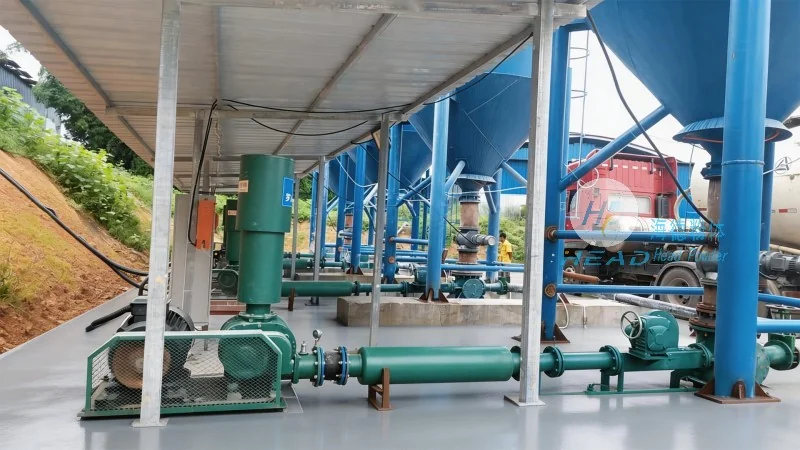
Understanding Sulfate Nickel and Its Conveying Challenges
Sulfate nickel, also known as nickel sulfate, is a water-soluble salt used extensively in the manufacturing of lithium-ion batteries, electroplating, and other chemical industries. Its granular or powder form makes it susceptible to dust formation and requires careful management to prevent contamination and environmental hazards. Conveying this material efficiently while maintaining product integrity is a significant challenge for many manufacturers. Traditional methods often struggle with issues such as material degradation, equipment wear, and the need for frequent maintenance. The choice of conveying system directly impacts production throughput, operational costs, and overall safety in the workplace.
Common Sulfate Nickel Conveying Methods
Several conventional conveying methods are used in industrial settings, each with its own set of advantages and limitations. The most common approaches include:
Belt Conveyors: These systems use a continuous belt to transport material from one point to another. While effective for bulk materials, belt conveyors may not be ideal for sulfate nickel due to the risk of material buildup and the potential for dust exposure. Regular cleaning and maintenance are required to prevent clogging and ensure smooth operation.
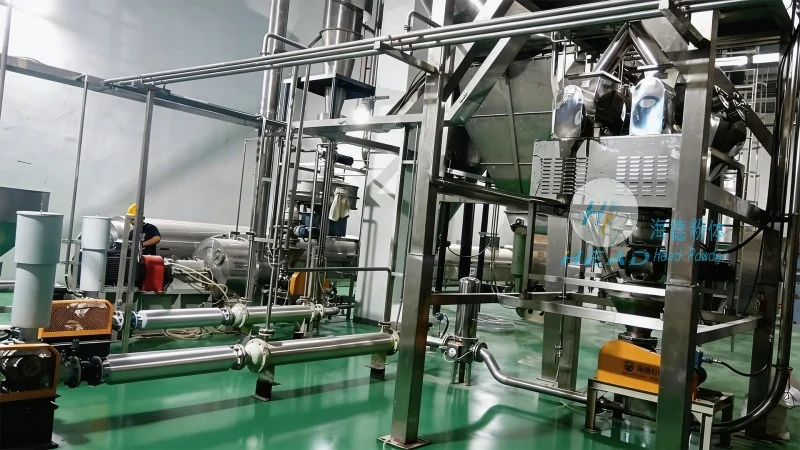
Pneumatic Conveying: This method uses air pressure to move material through a pipeline. It offers advantages such as dust-free operation and the ability to transport materials over long distances. However, traditional pneumatic systems may have limitations in terms of material handling capacity and energy efficiency.
Bucket Elevators: These systems use buckets attached to a chain or belt to lift and transport material vertically. They are suitable for vertical conveying but may not be efficient for horizontal or long-distance transport, and they require regular inspection to prevent mechanical failures.
Screw Conveyors: Screw conveyors use a rotating screw to move material through a tube. They are effective for horizontal transport but may cause material degradation due to friction and are not suitable for dusty or abrasive materials like sulfate nickel.
HeadPowder's Pneumatic Conveying System: Advantages and Features
HeadPowder, a leading provider of industrial conveying solutions, offers a specialized pneumatic conveying system tailored for sulfate nickel applications. This system is designed to address the unique challenges associated with transporting this material, providing several key advantages over traditional methods. The system utilizes high-efficiency air pumps and a network of stainless steel pipelines to ensure safe and efficient material transport. One of the primary benefits is the ability to maintain a dust-free environment, reducing the risk of respiratory hazards and contamination. The system also minimizes material degradation by using gentle air pressure and optimized pipeline design.
Key Advantages of HeadPowder's Pneumatic Conveying System
HeadPowder's pneumatic conveying system for sulfate nickel offers several distinct advantages that make it a preferred choice for industrial applications:
Efficient Material Handling: The system can handle high volumes of sulfate nickel with minimal labor, reducing operational costs and increasing production throughput. The design allows for continuous operation, ensuring a steady supply of material to downstream processes.
Low Maintenance Requirements: Compared to traditional systems like belt or screw conveyors, pneumatic systems require less frequent maintenance. The absence of moving parts in the pipeline reduces wear and tear, leading to lower repair and replacement costs over time.
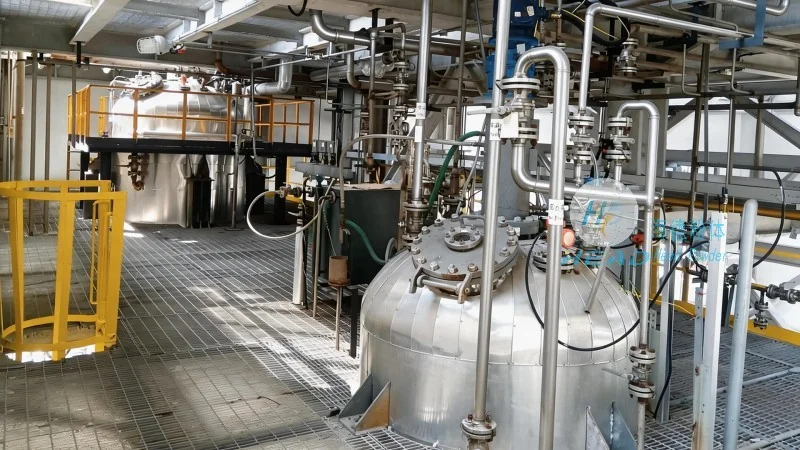
Energy Efficiency: Advanced air compression technology used in HeadPowder's system optimizes energy consumption, making it more cost-effective and environmentally friendly. The system operates with lower energy usage compared to other conveying methods, contributing to reduced operational expenses.
Customizable Solutions: HeadPowder provides tailored solutions based on specific operational needs, including material flow rates, distance, and environmental requirements. The system can be adapted to fit existing infrastructure or new installations, ensuring compatibility with various industrial setups.
Enhanced Safety: The dust-free operation of the pneumatic system significantly reduces the risk of dust explosions and respiratory health issues. Additionally, the system is designed with safety features such as pressure relief valves and automatic shut-off mechanisms to prevent accidents during operation.
Conclusion: Choosing the Right Conveying System for Sulfate Nickel
When selecting a conveying method for sulfate nickel, it is essential to consider factors such as material properties, operational requirements, and safety standards. While traditional methods like belt conveyors and screw conveyors have their uses, they may not fully address the unique challenges associated with this material. HeadPowder's pneumatic conveying system offers a superior solution by combining efficiency, safety, and low maintenance. By leveraging advanced technology and customized design, HeadPowder ensures that sulfate nickel is transported effectively and reliably, supporting the smooth operation of industrial processes. For industries seeking to optimize their sulfate nickel handling, HeadPowder's pneumatic conveying system provides a robust and efficient solution that meets the demands of modern manufacturing.

 Shandong Headpowder Engineering Co., Ltd.
 156-6277-7102(Quản lý Trương)
  0531-83386006
  Thành phố Tế Nam, Tỉnh Sơn Đông, Trung Quốc
Điện thoại
WeChatTư vấn
Lên đầu