Với hơn 10 năm kinh nghiệm về vận chuyển khí nén, Headpowder Sơn Đông cung cấp hệ thống, thiết bị và quạt gió toàn chuỗi, đảm nhận các dự án kỹ thuật bột trọn gói trên toàn quốc.
When it comes to transporting steel grit in industrial settings, selecting the right conveying method is crucial for efficiency, cost-effectiveness, and operational safety. Various technologies are available, each with distinct advantages and limitations. This article provides a detailed comparison of common steel grit conveying methods, helping you make an informed decision for your specific application.
Introduction to Steel Grit Conveying
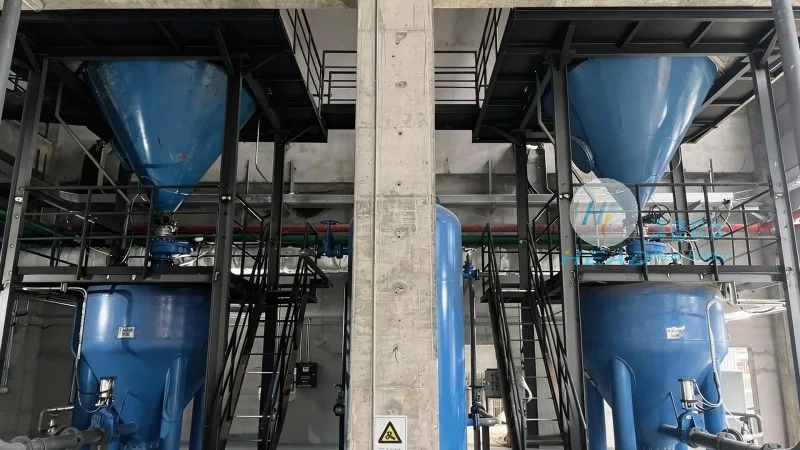
Steel grit is a critical abrasive material used in surface treatment processes such as shot blasting, sandblasting, and media blasting. Efficient and reliable transportation of steel grit from storage to processing equipment is essential to maintain production continuity and minimize downtime. The choice of conveying method depends on factors like material characteristics, distance, volume, and environmental considerations.
Key Players: Shandong HeadPowder Engineering Co., Ltd.
For over [years, if available] in the industry, Shandong HeadPowder Engineering Co., Ltd. has been a leading provider of steel grit handling solutions. With a focus on innovation and customer-centric design, HeadPowder offers a range of conveying systems tailored to meet diverse industrial needs. Their expertise in material handling ensures that clients receive high-quality equipment that enhances productivity and reduces operational costs.
1. Screw Conveyor (Auger Conveyor)
Screw conveyors are among the most common and versatile steel grit conveying systems. They consist of a rotating helical screw inside a trough or tube, which moves material through the system by friction. This method is ideal for horizontal or slightly inclined transport of steel grit, especially when the material is free-flowing and non-abrasive. Screw conveyors are known for their simplicity, low maintenance, and ability to handle a wide range of particle sizes. However, they may not be suitable for very abrasive or sticky materials, as the screw and trough can experience wear over time.
2. Pneumatic Conveying Systems
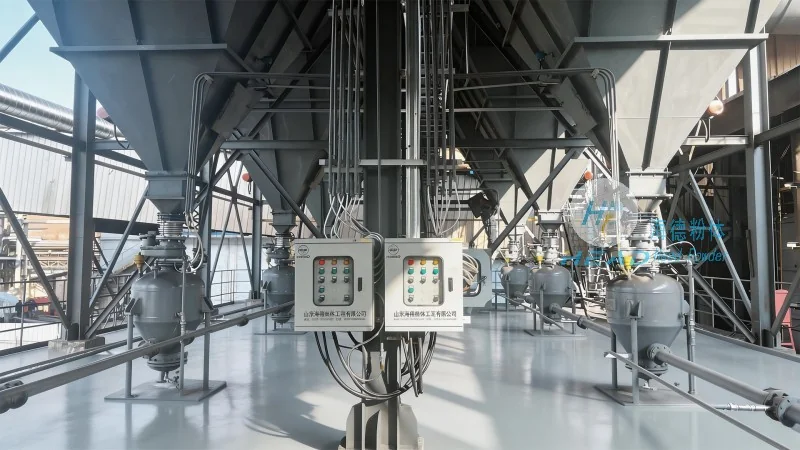
Pneumatic conveying, also known as air conveying, uses compressed air to transport steel grit in a pipeline. This method is highly effective for long-distance transport and can handle both dry and wet materials. There are two main types: dilute-phase and dense-phase systems. Dilute-phase systems use high-velocity air to move material in a suspended state, suitable for short to medium distances. Dense-phase systems use lower air velocity and higher material concentration, ideal for longer distances and more challenging materials. Pneumatic conveying offers advantages such as minimal space requirements and the ability to transport materials vertically or horizontally. However, it requires a reliable air supply system and may be less efficient for very large volumes.
3. Belt Conveyors
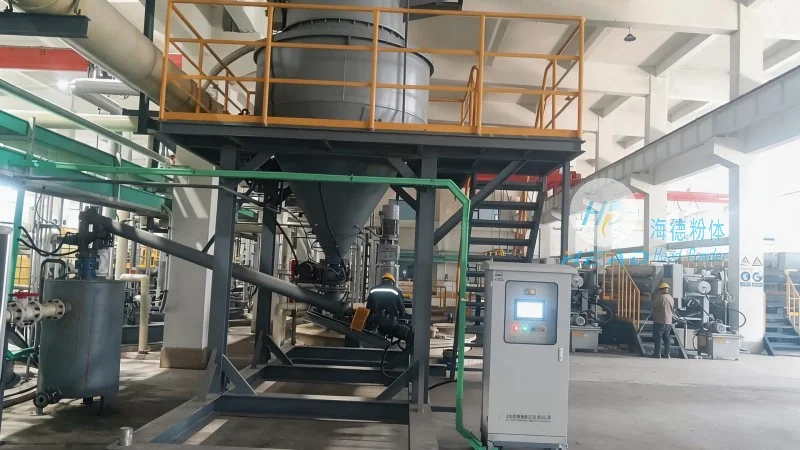
Belt conveyors are widely used in bulk material handling, including steel grit. They consist of a continuous belt that moves material along a path, supported by rollers or idlers. This method is suitable for both horizontal and inclined transport, with the ability to handle large volumes and long distances. Belt conveyors are known for their durability and low maintenance costs. They can be equipped with various accessories, such as feeders and discharge chutes, to enhance functionality. However, they may require more space and are less suitable for vertical transport compared to other methods.
4. Bucket Elevators
Bucket elevators are vertical or inclined conveying systems that use a chain or belt with attached buckets to transport steel grit. The buckets are filled at the bottom and then lifted vertically, discharging the material at the top. This method is ideal for vertical transport and can handle both dry and wet materials. Bucket elevators are highly efficient for moving large volumes of material over significant vertical distances. They are known for their reliability and ability to operate in harsh environments. However, they may have higher initial costs and require more maintenance compared to other systems.
5. Hydraulic Conveying
Hydraulic conveying systems use water or other fluids to transport steel grit through a pipeline. The material is suspended in the fluid and moved by pressure differences. This method is particularly useful for transporting abrasive materials over long distances, as the fluid provides protection to the pipeline and equipment. Hydraulic conveying offers advantages such as low noise levels and the ability to handle very fine particles. However, it requires a robust fluid handling system and may be less efficient for dry materials.
Comparative Analysis of Conveying Methods
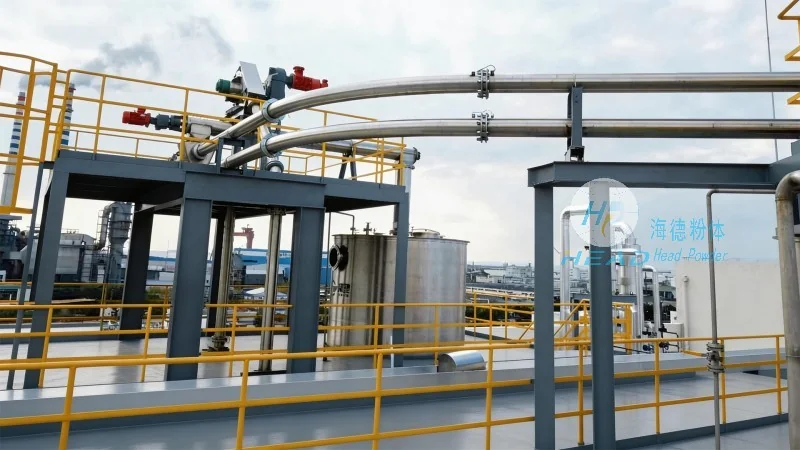
When comparing steel grit conveying methods, several factors should be considered. Screw conveyors are cost-effective for short distances and free-flowing materials. Pneumatic systems excel in long-distance and vertical transport but require more energy. Belt conveyors are versatile for bulk handling, while bucket elevators are ideal for vertical movement. Hydraulic systems are suitable for abrasive materials but need specialized fluid management. The choice ultimately depends on the specific application, material characteristics, and operational constraints.
Conclusion
Choosing the right steel grit conveying method is a critical decision that impacts operational efficiency and cost. By understanding the strengths and limitations of each system, industrial facilities can select the most appropriate solution. Shandong HeadPowder Engineering Co., Ltd. offers comprehensive steel grit handling solutions, including custom-designed conveying systems, to meet the diverse needs of their clients. With their expertise and commitment to quality, HeadPowder helps industries optimize their material transport processes and enhance overall productivity.

 Shandong Headpowder Engineering Co., Ltd.
 156-6277-7102(Quản lý Trương)
  0531-83386006
  Thành phố Tế Nam, Tỉnh Sơn Đông, Trung Quốc
Điện thoại
WeChatTư vấn
Lên đầu