Với hơn 10 năm kinh nghiệm về vận chuyển khí nén, Headpowder Sơn Đông cung cấp hệ thống, thiết bị và quạt gió toàn chuỗi, đảm nhận các dự án kỹ thuật bột trọn gói trên toàn quốc.
Headquartered in Shandong, China, Shandong HeadPowder Engineering Co., Ltd. specializes in delivering efficient and reliable solutions for ceramic powder conveying. As a leading provider in the field, their expertise ensures that businesses can maintain product quality and operational efficiency in their production processes.
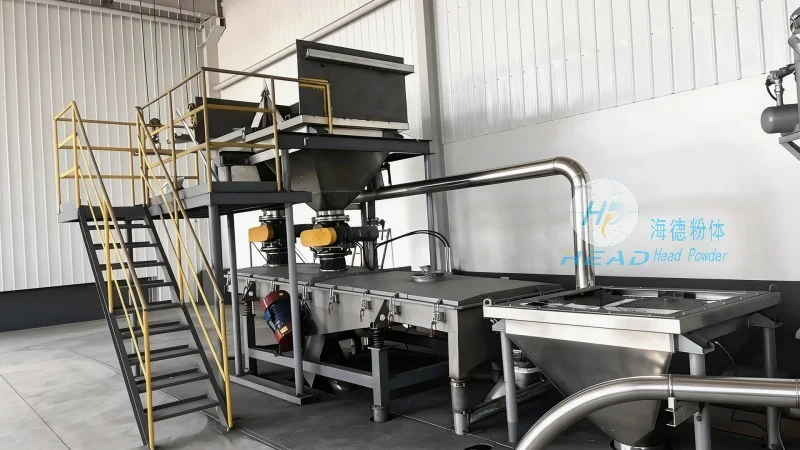
Understanding the Core Challenges in Ceramic Powder Conveying
Ceramic powders, such as alumina, zirconia, and silica, often present unique challenges during transportation due to their fine particle size, hygroscopic nature, and potential for dust generation. These characteristics can lead to issues like caking, agglomeration, and material loss if not handled properly. Therefore, the choice of conveying method must consider factors like material properties, production scale, and environmental requirements to ensure safe and efficient operation.
Common Methods for Ceramic Powder Conveying
There are several established methods for conveying ceramic powders, each with its own advantages and applications. The primary approaches include pneumatic conveying, mechanical conveying, and hybrid systems. Each method is designed to address specific operational needs while maintaining the integrity of the ceramic powder.
Pneumatic Conveying Systems
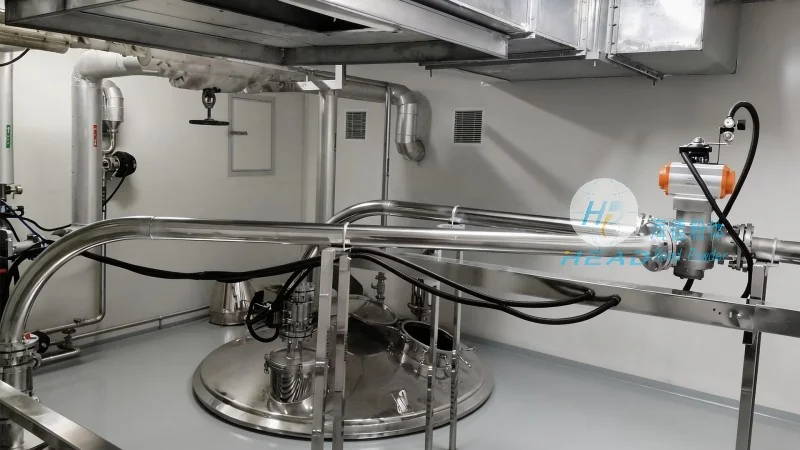
Pneumatic conveying, also known as air conveying, is a widely used method for transporting ceramic powders. This technique involves using air pressure or vacuum to move the powder through a pipeline. There are two main types of pneumatic conveying: pressure and vacuum systems. Pressure systems use compressed air to push the powder forward, while vacuum systems use a vacuum to draw the material. For fine ceramic powders, pressure systems are often preferred as they can handle high volumes and maintain low pressure differentials, reducing the risk of particle degradation.
HeadPowder Engineering offers advanced pneumatic conveying solutions that incorporate features like pulse-jet cleaning, which helps prevent clogging and maintain consistent flow rates. Their systems are equipped with high-efficiency filters to ensure that the conveyed powder remains clean and free from contaminants, which is critical for downstream processes like sintering and molding.
Mechanical Conveying Systems
Mechanical conveying methods, such as screw conveyors, belt conveyors, and bucket elevators, are also commonly used for ceramic powder handling. These systems rely on mechanical components to move the material through a system. Screw conveyors, for example, use a rotating screw to push the powder forward, making them suitable for horizontal or slightly inclined applications. Belt conveyors, on the other hand, are ideal for transporting larger volumes over longer distances and can be equipped with special belts to prevent material buildup.
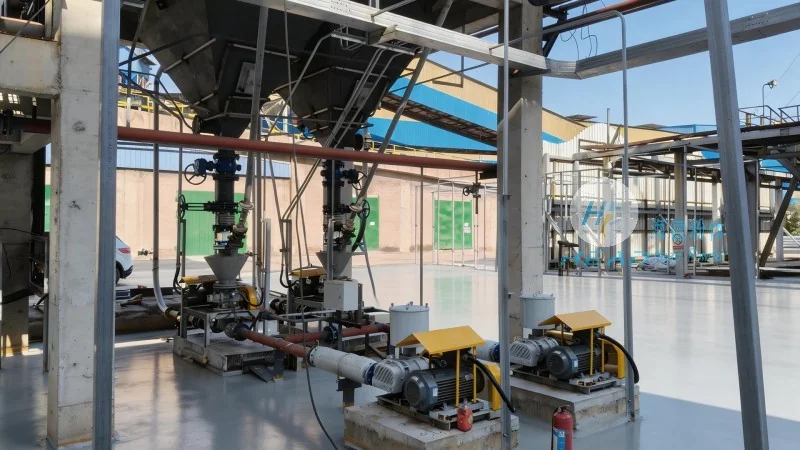
For vertical or steep incline applications, bucket elevators provide an efficient solution. These systems use buckets attached to a chain or belt to lift the powder from a lower to a higher level. Mechanical conveying systems are generally more cost-effective for bulk material handling and are often preferred in applications where the powder is not highly abrasive or sensitive to air exposure.
Hybrid Conveying Systems
Hybrid systems combine the benefits of pneumatic and mechanical conveying to address complex conveying requirements. For instance, a system might use a mechanical conveyor to transport the powder from a storage bin to a pneumatic line, where it is then conveyed to the processing area. This approach allows for flexibility in handling different material types and volumes while maintaining efficiency and product integrity.
HeadPowder Engineering’s hybrid solutions are designed to optimize the entire conveying process, from material storage to final delivery. By integrating sensors and control systems, these hybrid systems can automatically adjust flow rates and pressure levels based on real-time conditions, ensuring consistent performance and minimizing downtime.
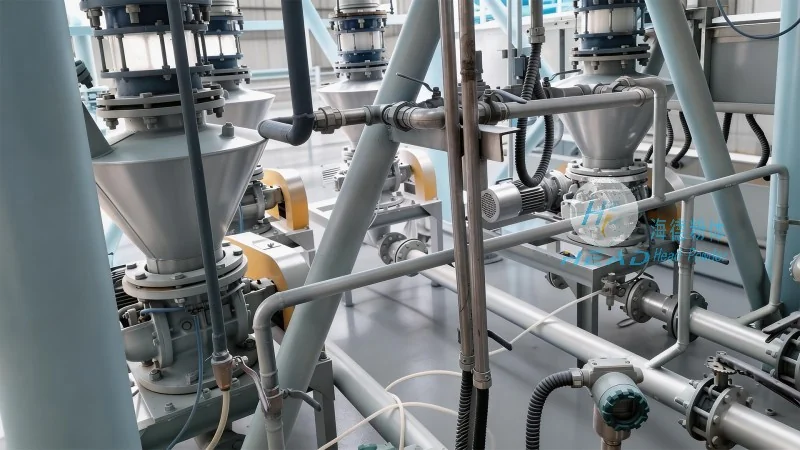
Key Considerations for Selecting the Right Conveying Method
When choosing a conveying method for ceramic powders, several factors must be considered to ensure optimal performance. The first is the particle size and density of the powder, as finer particles may require more gentle handling to avoid agglomeration. The second is the production scale, as large-scale operations may benefit from high-capacity systems like pneumatic conveyors, while smaller operations might use mechanical conveyors.
Environmental considerations also play a critical role. Pneumatic systems can generate dust, which requires proper filtration and ventilation to comply with safety regulations. Mechanical systems, while less dusty, may generate noise and require regular maintenance to prevent wear and tear. HeadPowder Engineering’s solutions address these concerns by incorporating dust collection systems and durable components that withstand the rigors of ceramic powder handling.
Conclusion
Choosing the right method for ceramic powder conveying is essential for maintaining product quality and operational efficiency. Whether through pneumatic, mechanical, or hybrid systems, Shandong HeadPowder Engineering Co., Ltd. provides comprehensive solutions tailored to the specific needs of each application. By understanding the unique challenges of ceramic powders and selecting the appropriate conveying method, businesses can enhance their production processes and achieve better results. With their expertise and commitment to quality, HeadPowder Engineering remains a trusted partner in the ceramic industry, helping companies achieve their goals with reliable and efficient powder handling solutions.

 Shandong Headpowder Engineering Co., Ltd.
 156-6277-7102(Quản lý Trương)
  0531-83386006
  Thành phố Tế Nam, Tỉnh Sơn Đông, Trung Quốc
Điện thoại
WeChatTư vấn
Lên đầu