Với hơn 10 năm kinh nghiệm về vận chuyển khí nén, Headpowder Sơn Đông cung cấp hệ thống, thiết bị và quạt gió toàn chuỗi, đảm nhận các dự án kỹ thuật bột trọn gói trên toàn quốc.
HeadPowder, a leading manufacturer based in Shandong, China, specializes in providing advanced material handling solutions tailored for the lithium-ion battery industry. This article provides a detailed comparison of common transport methods used for lithium-ion battery positive electrode materials, highlighting the key features, advantages, and applications of each approach.
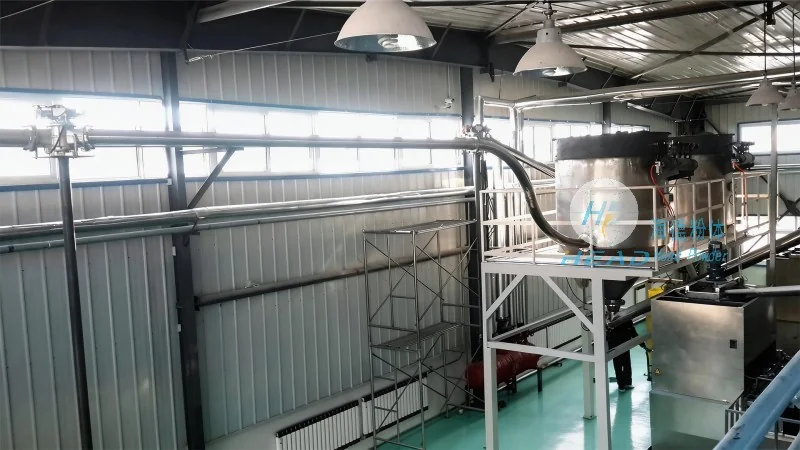
Introduction to Lithium-Ion Battery Positive Electrode Material Handling
The positive electrode materials in lithium-ion batteries, such as lithium cobalt oxide (LiCoO₂), lithium nickel cobalt manganese oxide (NMC), and lithium iron phosphate (LFP), require precise and efficient handling to ensure quality and safety throughout the manufacturing process. Proper material transport is critical to maintaining material integrity, minimizing contamination, and optimizing production efficiency. This section compares three primary transport methods: screw conveyors, pneumatic conveying systems, and vibrating conveyors, each with distinct characteristics suitable for different production environments and material properties.
Screw Conveyors: A Traditional and Reliable Option
Screw conveyors, also known as auger conveyors, are a widely used method for transporting positive electrode powders. These systems consist of a rotating helical screw inside a U-shaped or cylindrical trough. The screw rotates, pushing the material forward through the trough. HeadPowder's screw conveyors are designed with high-strength materials and precise engineering to handle the abrasive and fine nature of lithium-ion battery powders. They offer several advantages, including the ability to operate in a closed system, which helps prevent dust contamination and environmental exposure. Additionally, screw conveyors provide a gentle handling method that minimizes material degradation and agglomeration, preserving the particle size distribution crucial for battery performance.
One of the key benefits of screw conveyors is their simplicity and low maintenance requirements. They are relatively easy to install and operate, making them suitable for both small-scale and large-scale production lines. However, they have limitations, particularly when dealing with very fine powders or materials with high moisture content, as the screw can cause excessive friction and heat buildup. For applications involving NMC or LFP powders, which are often sensitive to moisture and temperature, screw conveyors may require additional measures, such as temperature control and moisture-proofing, to maintain material quality.
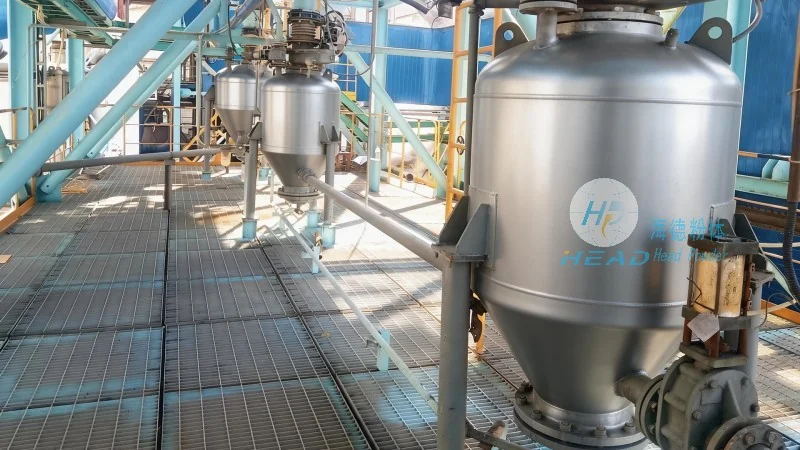
Pneumatic Conveying Systems: High-Speed and Flexible Transport
Pneumatic conveying systems use air or other gases to transport positive electrode materials through a network of pipes. These systems can be categorized into two main types: pressure and vacuum. Pressure systems use compressed air to push material from the source to the destination, while vacuum systems use suction to draw material. HeadPowder's pneumatic conveying solutions are designed to handle a wide range of powder characteristics, including fine, cohesive, and abrasive powders commonly used in lithium-ion battery production.
A major advantage of pneumatic conveying is its high speed and flexibility. It allows for the transport of materials over long distances and through complex layouts, making it ideal for large-scale battery manufacturing facilities where multiple processing stations are spread out. The system can also be integrated with dust collection and filtration systems, ensuring that the material remains clean and free from contaminants. However, pneumatic conveying has its drawbacks, such as higher energy consumption compared to mechanical systems and the potential for material degradation due to high-velocity air flow. For sensitive materials like LiCoO₂ or LFP, the velocity and pressure must be carefully controlled to prevent particle breakage and agglomeration.
Another consideration is the system's ability to handle varying material flow rates. Pneumatic conveyors can be adjusted to accommodate different production demands, making them versatile for dynamic manufacturing environments. However, they may require more complex maintenance, including regular cleaning of pipes and filters, to prevent clogging and ensure consistent performance.
Vibrating Conveyors: Gentle and Efficient Material Transport
Vibrating conveyors use vibrations to move materials along a trough or belt. The system consists of a conveyor bed that is vibrated at specific frequencies and amplitudes, causing the material to move forward. HeadPowder's vibrating conveyors are engineered to provide gentle handling, which is essential for maintaining the integrity of fine powders used in lithium-ion battery positive electrodes. This method is particularly effective for materials that are prone to caking or agglomeration, as the vibration helps break up clumps and keep the material in a free-flowing state.
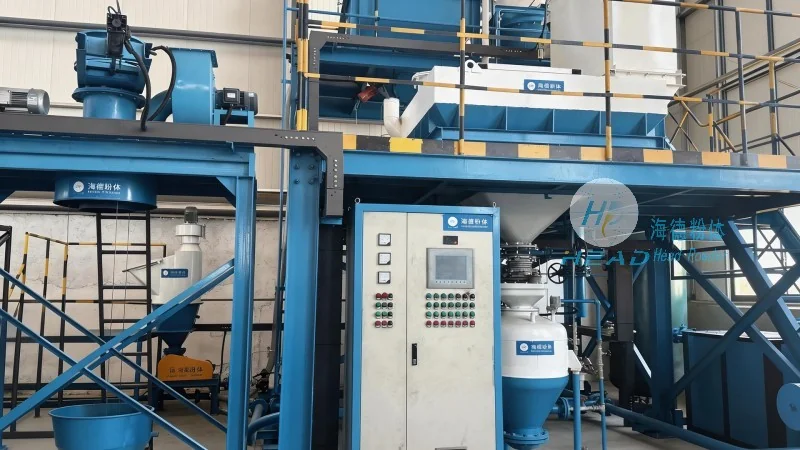
The primary advantage of vibrating conveyors is their ability to handle a wide range of material types, including sticky or cohesive powders that may be difficult for screw or pneumatic systems to transport. They also offer a relatively low energy consumption compared to pneumatic systems, making them more cost-effective for certain applications. Additionally, vibrating conveyors can be designed with adjustable vibration parameters, allowing for customization based on the specific material properties and production requirements.
However, vibrating conveyors may have limitations in terms of transport distance and throughput. They are generally more suitable for shorter distances and moderate flow rates compared to screw or pneumatic systems. For large-scale battery manufacturing where long-distance transport is required, other methods may be more appropriate. Furthermore, the system requires regular maintenance to ensure the vibrational components remain in good working condition, as wear and tear can affect performance over time.
Choosing the Right Transport Method for Lithium-Ion Battery Positive Electrode Materials
When selecting a transport method for lithium-ion battery positive electrode materials, several factors must be considered, including material properties, production scale, and operational requirements. HeadPowder's expertise in material handling allows us to provide tailored solutions that address these factors effectively. For example, screw conveyors are ideal for applications requiring gentle handling and closed-system operation, such as in the processing of LiCoO₂ powders. Pneumatic conveying is preferred for high-speed, long-distance transport of fine powders like NMC, while vibrating conveyors are suitable for handling sticky or cohesive materials such as LFP.
The choice of transport method also impacts overall production efficiency and cost. Mechanical systems like screw and vibrating conveyors typically have lower energy consumption and maintenance costs compared to pneumatic systems. However, pneumatic systems offer greater flexibility and speed, which may be critical in high-volume production environments. HeadPowder's engineers work closely with clients to evaluate their specific needs and recommend the most suitable transport solution, ensuring optimal performance and material quality.
In conclusion, the selection of an appropriate transport method for lithium-ion battery positive electrode materials is a critical decision that impacts the entire manufacturing process. By understanding the characteristics of each transport system and aligning them with the specific requirements of the production line, manufacturers can enhance efficiency, maintain material integrity, and ensure consistent battery performance. HeadPowder, with its advanced technology and industry expertise, continues to provide reliable and efficient material handling solutions for the lithium-ion battery industry in Shandong, China.

 Shandong Headpowder Engineering Co., Ltd.
 156-6277-7102(Quản lý Trương)
  0531-83386006
  Thành phố Tế Nam, Tỉnh Sơn Đông, Trung Quốc
Điện thoại
WeChatTư vấn
Lên đầu