Với hơn 10 năm kinh nghiệm về vận chuyển khí nén, Headpowder Sơn Đông cung cấp hệ thống, thiết bị và quạt gió toàn chuỗi, đảm nhận các dự án kỹ thuật bột trọn gói trên toàn quốc.
In the manufacturing and processing industries, the efficient and reliable transportation of fine polishing powders is crucial for maintaining production efficiency and product quality. Fine polishing powders, such as those used in metalworking, glass processing, and surface finishing, often require specialized handling due to their fine particle size and potential for dust generation. Conveying these materials requires careful consideration of the material's properties, the production environment, and the overall system requirements. This article provides a detailed comparison of common fine polishing powder conveying methods, examining their advantages and disadvantages to help industrial professionals make informed decisions.
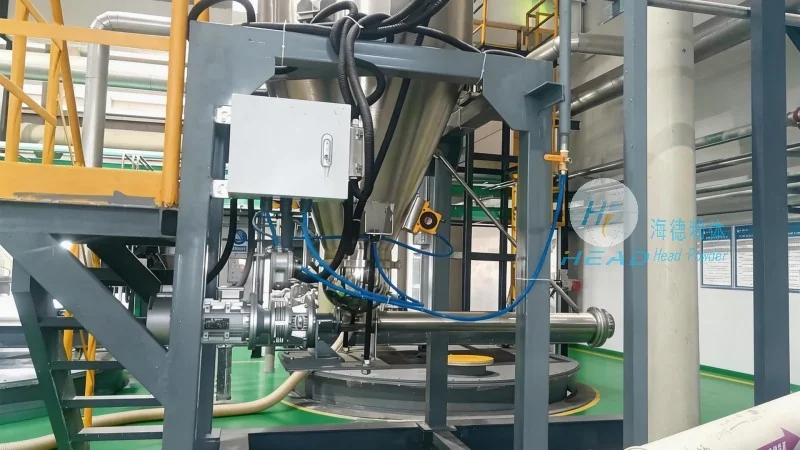
Gravity Conveying Systems
Gravity conveying systems utilize the natural force of gravity to move materials from a higher elevation to a lower one. This method is often used for horizontal or slightly inclined transport of fine polishing powders. The primary advantage of gravity conveying is its simplicity and low energy consumption. Since no external power is required to move the material, it can be an economical choice for short-distance or low-volume applications. Additionally, gravity systems are generally low-maintenance, with fewer moving parts compared to other conveying methods. However, the effectiveness of gravity conveying is highly dependent on the material's density and the angle of the conveyor. For fine polishing powders, which can be lightweight and prone to segregation, gravity systems may not be suitable for long distances or when precise control over the material flow is needed. The risk of material buildup or blockages in the conveyor is also a concern, as fine powders can settle and create obstructions.
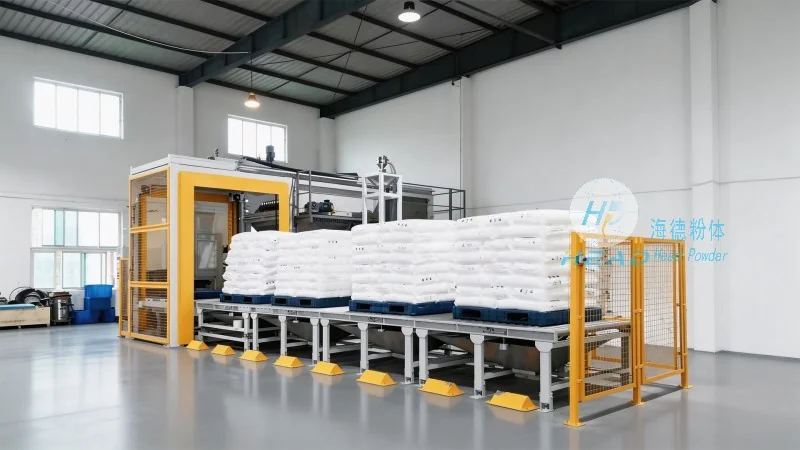
Pneumatic Conveying Systems
Pneumatic conveying systems use air or other gases to transport fine polishing powders through a pipeline. This method is particularly effective for long-distance or high-volume transport, as it can move materials over significant distances with minimal loss. The primary advantage of pneumatic conveying is its ability to handle fine powders without the need for mechanical components that might cause wear or contamination. Additionally, pneumatic systems can be designed to operate in a closed loop, reducing dust emissions and improving safety in the workplace. However, pneumatic conveying requires a significant amount of energy to generate the necessary air pressure, which can increase operational costs. The system also needs regular maintenance to ensure the air filtration and pipeline integrity, as fine powders can accumulate in the system and cause blockages or reduce efficiency. Another consideration is the potential for material degradation due to friction or high-velocity air flow, which may affect the quality of the polishing powder.
Screw Conveying Systems
Screw conveying systems use a rotating screw or auger to move fine polishing powders through a tube or trough. This method is commonly used for both horizontal and vertical transport and is particularly effective for materials that are prone to caking or segregation. The primary advantage of screw conveying is its ability to handle a wide range of materials, including those with high moisture content or abrasive properties. Screw conveyors are also relatively simple to install and maintain, with fewer components compared to pneumatic systems. However, the effectiveness of screw conveying is limited by the material's flowability and the risk of material buildup on the screw surface. Fine polishing powders, which can be cohesive or sticky, may cause the screw to become clogged, leading to reduced throughput or system failure. Additionally, screw conveyors generate more friction and heat compared to other methods, which can affect the temperature and quality of the material being transported. The design of the screw and the speed of rotation must be carefully optimized to prevent material degradation or damage.
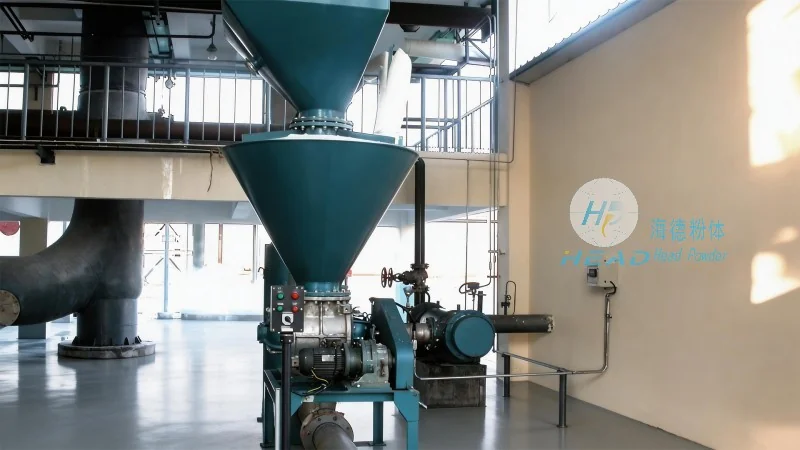
Comparison and Recommendations
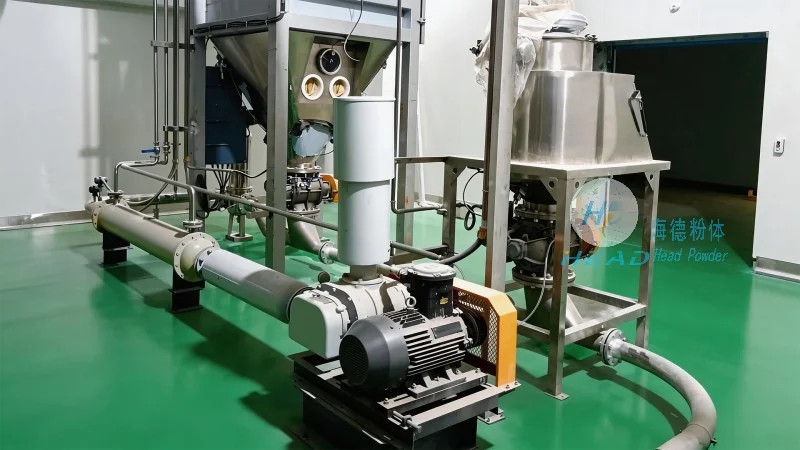
When selecting a conveying method for fine polishing powders, it is essential to consider several factors, including the material's properties, the distance and volume of transport, and the operational environment. Gravity conveying is best suited for short-distance, low-volume applications where energy efficiency and simplicity are priorities. Pneumatic conveying is ideal for long-distance or high-volume transport, especially in environments where dust control and material integrity are critical. Screw conveying is suitable for materials that require gentle handling and can handle a wide range of flow conditions, but it may not be the best choice for very fine or cohesive powders.
For industrial applications, the choice often depends on the specific requirements of the production line. For example, a metalworking facility that processes fine polishing powders over short distances might opt for a gravity conveyor to reduce costs. In contrast, a glass processing plant that requires long-distance transport of polishing powders might choose a pneumatic system to maintain material quality and control dust emissions. It is also important to consider the maintenance and operational costs associated with each system, as these can significantly impact the overall efficiency and profitability of the production process.
Conclusion and Company Profile
HeadPowder, a leading manufacturer of fine polishing powder handling solutions, understands the challenges associated with transporting these materials. With years of experience in the industry, HeadPowder provides customized conveying systems tailored to the specific needs of each client. The company's expertise in material handling and system design ensures that clients can select the most appropriate conveying method for their applications, whether it's gravity, pneumatic, or screw conveying. HeadPowder's commitment to quality and innovation has made it a trusted partner for businesses in the manufacturing and processing industries, helping them achieve optimal performance and efficiency in their production processes.

 Shandong Headpowder Engineering Co., Ltd.
 156-6277-7102(Quản lý Trương)
  0531-83386006
  Thành phố Tế Nam, Tỉnh Sơn Đông, Trung Quốc
Điện thoại
WeChatTư vấn
Lên đầu