Với hơn 10 năm kinh nghiệm về vận chuyển khí nén, Headpowder Sơn Đông cung cấp hệ thống, thiết bị và quạt gió toàn chuỗi, đảm nhận các dự án kỹ thuật bột trọn gói trên toàn quốc.
For foundries, the efficient and reliable transport of molding sand is a critical factor in maintaining production efficiency and ensuring the quality of castings. The choice of sand transport method directly impacts the overall workflow, material handling costs, and environmental compliance. This article provides a detailed comparison of common sand transport methods used in the foundry industry, focusing on their operational principles, advantages, and practical applications. The information is presented by Shandong HeadPowder Engineering Co., Ltd., a leading provider of sand handling solutions based in Shandong, China.
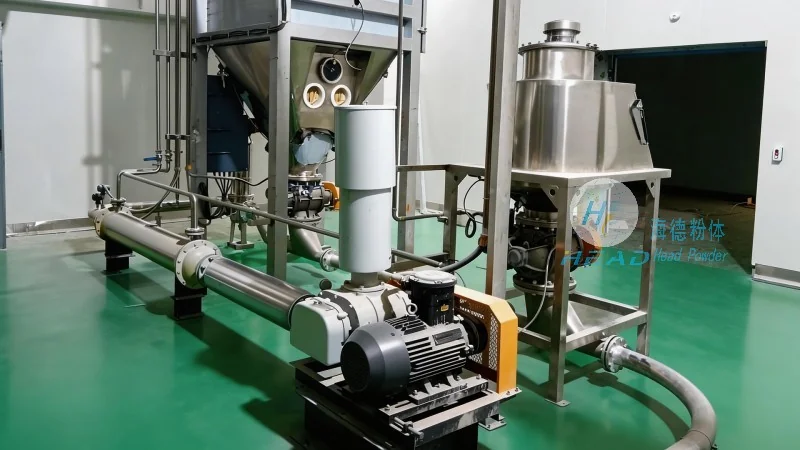
Understanding the Importance of Sand Transport in Foundries
In foundry operations, molding sand is a fundamental material used to create molds for casting metals. The process of transporting this sand from storage to the molding machine, and then to the molding line, requires systems that can handle large volumes of material while minimizing downtime and wear on equipment. Efficient sand transport is essential for maintaining consistent mold quality, reducing labor costs, and improving overall production throughput. Different foundries may have varying needs based on their production scale, sand type, and environmental regulations, which influences the selection of the most suitable transport method.
Common Sand Transport Methods: A Comparative Overview
Several methods are widely used for sand transport in the foundry industry. Each method has its own set of advantages and is best suited for specific operational conditions. The following sections provide a detailed comparison of the most common sand transport techniques.
1. Pneumatic Conveying Systems
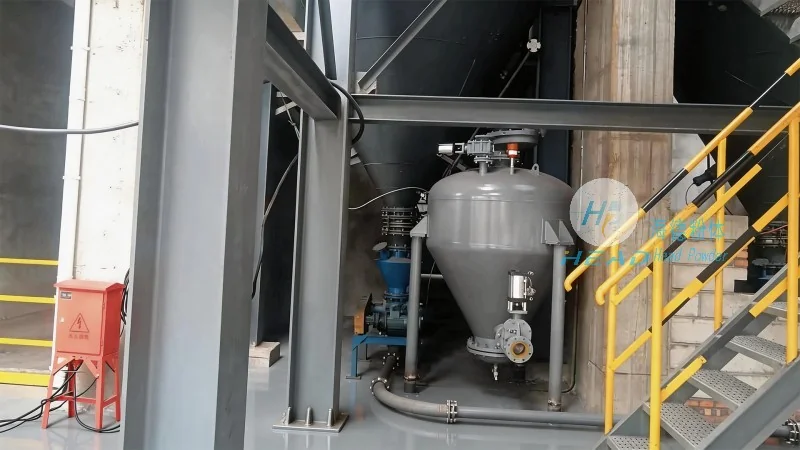
Pneumatic conveying is a popular method for transporting molding sand due to its ability to handle fine and abrasive materials. This system uses compressed air to move sand through a network of pipes. There are two main types of pneumatic conveying: pressure and vacuum systems. Pressure systems use positive pressure to push the sand forward, while vacuum systems use negative pressure to pull the sand through the system. Pneumatic conveying offers advantages such as low maintenance, minimal material degradation, and the ability to transport sand over long distances. However, it requires a consistent air supply and can be less efficient for very large volumes compared to other methods. The HeadPowder Engineering Co., Ltd. specializes in designing and manufacturing customized pneumatic conveying systems tailored to the specific needs of foundries, ensuring optimal performance and reliability.
2. Belt Conveyors
Belt conveyors are a traditional and widely adopted method for sand transport, particularly in large-scale foundries. This system uses a continuous belt that moves over rollers or pulleys to transport sand from one location to another. Belt conveyors are known for their high capacity and ability to handle large volumes of material with minimal labor. They are also relatively simple to install and maintain, making them a cost-effective solution for many foundries. However, belt conveyors may experience wear and tear from abrasive sand, leading to higher maintenance costs over time. Additionally, they require regular cleaning to prevent sand buildup and ensure smooth operation. HeadPowder Engineering Co., Ltd. offers robust belt conveyor systems designed to withstand the harsh conditions of foundry environments, with features such as reinforced belts and heavy-duty rollers to extend service life.
3. Screw Conveyors
Screw conveyors, also known as auger conveyors, are another common method for transporting molding sand. This system uses a rotating screw (auger) to move sand through a tube or trough. Screw conveyors are suitable for horizontal or slight incline transport and are particularly effective for handling dry, free-flowing materials. They are compact and can be installed in confined spaces, making them ideal for foundries with limited floor space. The main advantages of screw conveyors include their simplicity, low power consumption, and ability to transport sand at a consistent rate. However, they may not be as efficient for very fine or cohesive sand, as the material can stick to the screw or the tube walls. HeadPowder Engineering Co., Ltd. provides high-quality screw conveyor systems with adjustable screw speeds and materials to suit different sand types, ensuring reliable and efficient transport.
4. Bucket Elevators
Bucket elevators are used for vertical or steep incline transport of molding sand. This system consists of a vertical or inclined conveyor with buckets attached to a chain or belt. As the conveyor rotates, the buckets scoop up sand from the bottom and transport it to the top, where the sand is discharged. Bucket elevators are highly efficient for vertical transport and can handle large volumes of material with minimal space requirements. They are commonly used in foundries where sand needs to be lifted from a storage bin to a higher level for processing. The advantages of bucket elevators include their high capacity, low maintenance, and ability to transport sand over significant vertical distances. However, they require careful alignment and can be more complex to install compared to other methods. HeadPowder Engineering Co., Ltd. designs and manufactures bucket elevators with durable buckets and robust drive systems to ensure long-term performance and reliability.
5. Hydraulic Conveying Systems
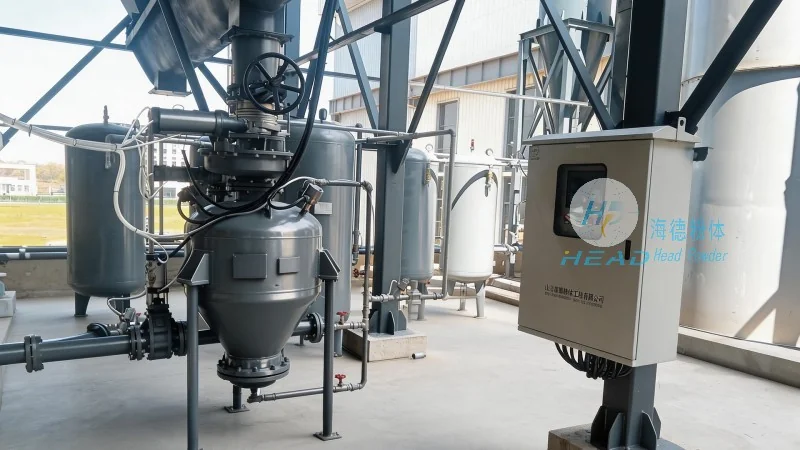
Hydraulic conveying systems use water or a slurry to transport molding sand. This method is particularly useful for handling wet or sticky sand, as the liquid helps to keep the sand in suspension and prevent clogging. The system typically involves a pump that circulates the slurry through a pipeline, with the sand being transported along with the liquid. Hydraulic conveying offers advantages such as the ability to handle abrasive and wet materials, and the potential for lower energy consumption compared to pneumatic systems. However, it requires additional equipment for slurry treatment and disposal, and the system can be more complex to maintain. HeadPowder Engineering Co., Ltd. provides hydraulic conveying solutions tailored to the specific requirements of foundries dealing with wet or difficult-to-handle sand, ensuring efficient and environmentally compliant transport.
Choosing the Right Sand Transport Method for Your Foundry
The selection of the most appropriate sand transport method depends on several factors, including the foundry's production scale, the type of molding sand used, the available space, and the environmental regulations in the region. Foundries should consider the following aspects when making their choice:
1. **Material Characteristics**: The size, shape, and moisture content of the molding sand can affect the efficiency of different transport methods. For example, fine and abrasive sand may be better suited for pneumatic or hydraulic systems, while larger and less abrasive sand may work well with belt or screw conveyors.
2. **Transport Distance and Height**: The distance and vertical height the sand needs to be transported will influence the choice of system. For long horizontal distances, belt conveyors may be more efficient, while for vertical transport, bucket elevators are ideal.
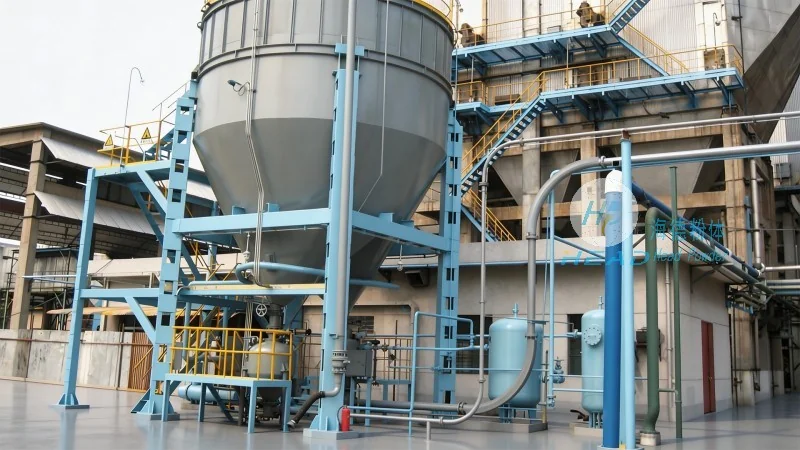
3. **Space Constraints**: The available floor space in the foundry will determine whether a horizontal or vertical system is more practical. Compact systems like screw conveyors or pneumatic pipelines may be preferred in smaller facilities.
4. **Maintenance and Operational Costs**: The long-term costs of maintenance, energy consumption, and downtime should be evaluated. Systems with lower maintenance requirements and energy efficiency, such as well-designed screw or belt conveyors, may offer better returns on investment.
5. **Environmental Considerations**: Regulations regarding dust control and material handling may influence the choice of transport method. Systems that minimize dust emissions, such as enclosed belt conveyors or pneumatic systems with filtration, are often preferred in modern foundries.
Conclusion
Efficient sand transport is a cornerstone of successful foundry operations. The choice of transport method directly impacts production efficiency, material handling costs, and environmental compliance. By understanding the operational principles and advantages of different sand transport methods, foundries can select the most suitable system for their specific needs. Shandong HeadPowder Engineering Co., Ltd. offers a range of sand handling solutions, including pneumatic, belt, screw, bucket, and hydraulic systems, designed to meet the diverse requirements of foundries worldwide. With a focus on quality, reliability, and customization, HeadPowder Engineering Co., Ltd. helps foundries optimize their sand transport processes and enhance overall production performance.

 Shandong Headpowder Engineering Co., Ltd.
 156-6277-7102(Quản lý Trương)
  0531-83386006
  Thành phố Tế Nam, Tỉnh Sơn Đông, Trung Quốc
Điện thoại
WeChatTư vấn
Lên đầu