Với hơn 10 năm kinh nghiệm về vận chuyển khí nén, Headpowder Sơn Đông cung cấp hệ thống, thiết bị và quạt gió toàn chuỗi, đảm nhận các dự án kỹ thuật bột trọn gói trên toàn quốc.
When it comes to construction and earthmoving projects, the efficient and safe transport of soil is a critical factor that impacts project timelines and overall costs. There are several common methods used for soil transport, each with its own advantages and applications. Understanding these methods helps in selecting the most suitable approach for specific project requirements.
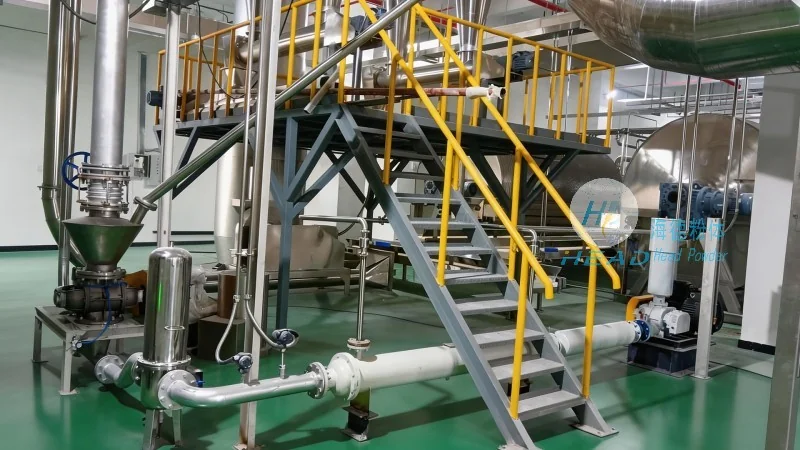
1. Pipeline Transport (Gravity or Pressure)
Pipeline transport is a widely used method for moving soil over long distances, especially in situations where the terrain is relatively flat or the soil has a certain degree of moisture. This method involves using a network of pipes to convey soil from the excavation site to the disposal or storage area. Gravity-fed systems rely on the natural slope of the land to move soil, while pressure systems use pumps to force soil through the pipes. The choice between these two depends on the topography and the type of soil being transported. For example, in areas with gentle slopes, gravity pipelines can be an economical solution. However, in hilly or uneven terrains, pressure systems with pumps may be necessary to maintain the flow rate and pressure required for effective soil movement.
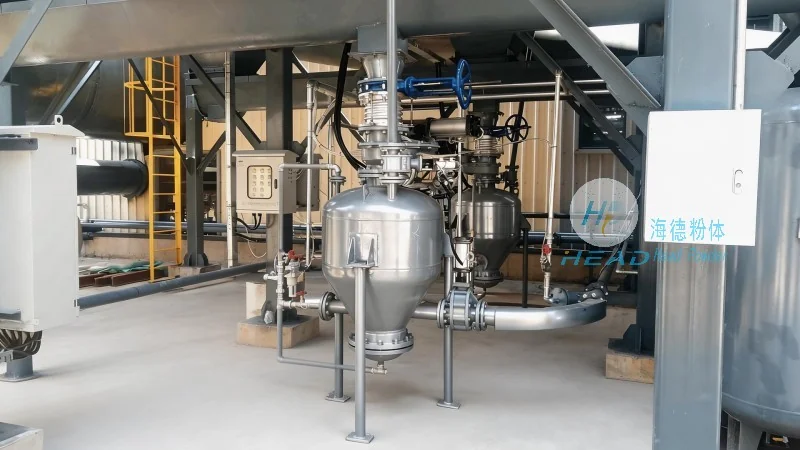
2. Mechanical Transport (Trucks and Excavators)
Mechanical transport is one of the most traditional and versatile methods for soil transport. It involves using heavy machinery such as dump trucks, excavators, and bulldozers to move soil from the source to the destination. This method is particularly suitable for short to medium distances and for projects where the soil needs to be deposited in specific locations. The advantages of mechanical transport include its flexibility and ability to handle a wide range of soil types, from loose sand to compacted earth. However, it also has limitations, such as the need for large equipment, higher fuel consumption, and potential environmental impacts due to dust and noise. Companies like Shandong HeadPowder Engineering Co., Ltd. often provide equipment and solutions that enhance the efficiency of mechanical soil transport, ensuring that operations are optimized for different project scales.
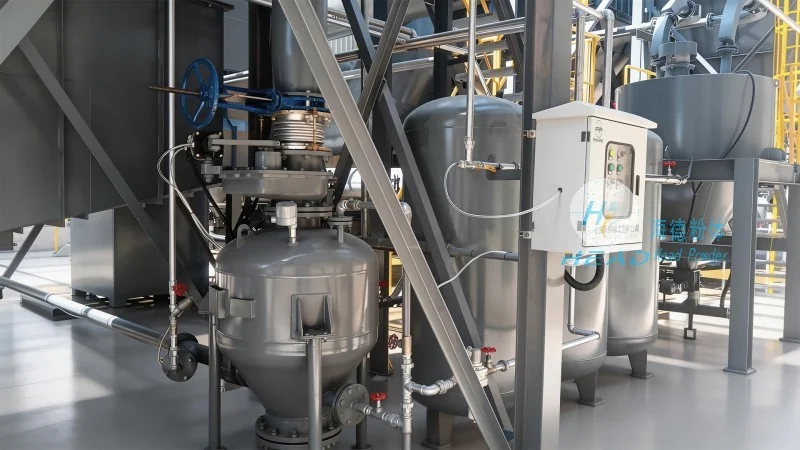
3. Conveyor Systems (Belt or Screw)
Conveyor systems are another effective method for soil transport, especially in industrial or large-scale construction projects. These systems use moving belts or screws to transport soil in a continuous flow. Belt conveyors are commonly used for transporting loose materials over short to medium distances, while screw conveyors are ideal for handling bulk materials in confined spaces. The main advantages of conveyor systems include high capacity, low labor requirements, and the ability to transport soil at a consistent rate. They are particularly useful in situations where the soil needs to be moved vertically or over obstacles. However, the initial setup cost of conveyor systems can be higher compared to other methods, and maintenance is required to ensure smooth operation. HeadPowder, as a leading provider in the field, offers advanced conveyor solutions that meet the demands of modern construction and earthmoving operations.
4. Hydraulic Excavators and Loaders
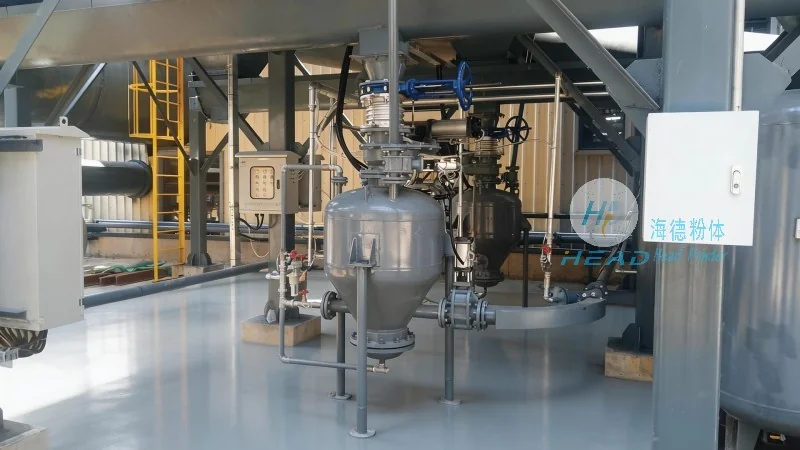
Hydraulic excavators and loaders are specialized machinery used for soil transport in both construction and agricultural settings. These machines use hydraulic systems to move soil efficiently and with precision. Excavators can dig and load soil into trucks or other containers, while loaders can scoop and transport soil over short distances. The use of hydraulic systems allows for better control and maneuverability, making these machines suitable for complex or tight working environments. The efficiency of hydraulic excavators and loaders is enhanced by their ability to handle various soil conditions, from soft clay to hard rock. Shandong HeadPowder Engineering Co., Ltd. specializes in providing high-quality hydraulic equipment that ensures reliable soil transport for diverse applications.
5. Slurry Transport
Slurry transport is a method that involves mixing soil with water to create a slurry, which is then pumped through pipelines. This technique is commonly used in tunneling and underground construction projects where the soil needs to be removed from a confined space. The slurry helps to stabilize the excavation area and prevent collapse. The process involves using high-pressure pumps to transport the slurry to a treatment facility where the soil is separated from the water. Slurry transport is particularly effective in soft or unstable ground conditions. However, it requires careful management of the slurry to avoid environmental contamination and ensure proper disposal of the soil. HeadPowder’s expertise in slurry transport systems ensures that projects are completed with minimal environmental impact and maximum efficiency.

 Shandong Headpowder Engineering Co., Ltd.
 156-6277-7102(Quản lý Trương)
  0531-83386006
  Thành phố Tế Nam, Tỉnh Sơn Đông, Trung Quốc
Điện thoại
WeChatTư vấn
Lên đầu