Với hơn 10 năm kinh nghiệm về vận chuyển khí nén, Headpowder Sơn Đông cung cấp hệ thống, thiết bị và quạt gió toàn chuỗi, đảm nhận các dự án kỹ thuật bột trọn gói trên toàn quốc.
Activated carbon, a critical material in various industrial applications, often requires efficient and reliable conveying methods to ensure smooth operation and optimal performance. The choice of conveying method for activated carbon depends on several factors, including the type of carbon, the scale of the operation, and the specific requirements of the downstream processes. Understanding the different methods available helps industries select the most suitable approach for their needs.
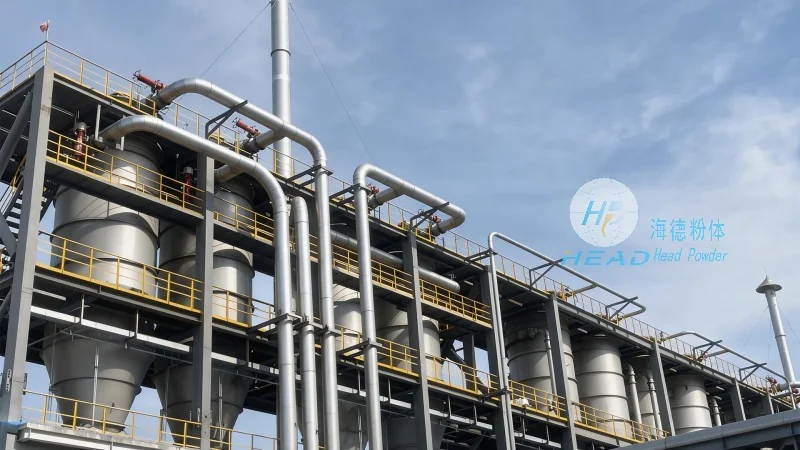
Overview of Activated Carbon Conveying Methods
Activated carbon is commonly used in processes such as air purification, water treatment, and chemical synthesis. The effectiveness of these processes hinges on the ability to transport activated carbon from storage to processing units without compromising its quality or structure. Several methods have been developed to address this need, each with its own advantages and limitations.
Common Conveying Techniques for Activated Carbon
One of the most traditional methods for activated carbon conveying is mechanical handling. This approach involves the use of equipment like conveyor belts, screw conveyors, and bucket elevators. Conveyor belts are particularly effective for transporting bulk quantities of activated carbon over short to medium distances. They are simple to install and maintain, making them a popular choice for many industrial settings. Screw conveyors, on the other hand, are ideal for vertical or inclined transport, as they can handle materials with a higher degree of moisture or dust. Bucket elevators are suitable for vertical lifting, often used in large-scale operations where the carbon needs to be moved to higher levels for processing.
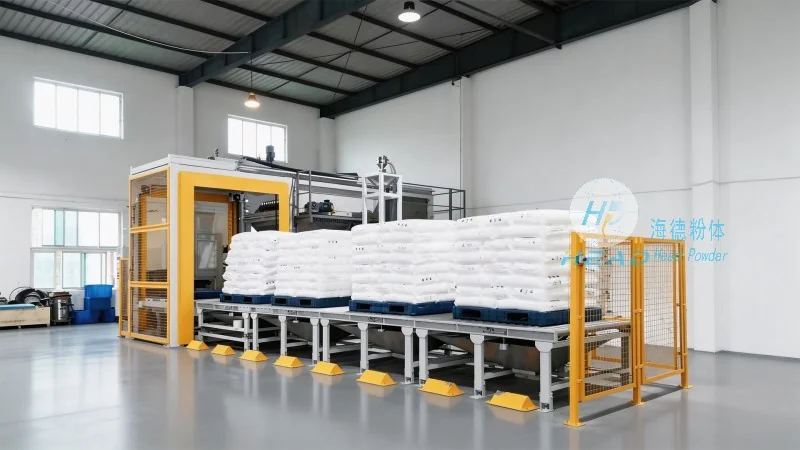
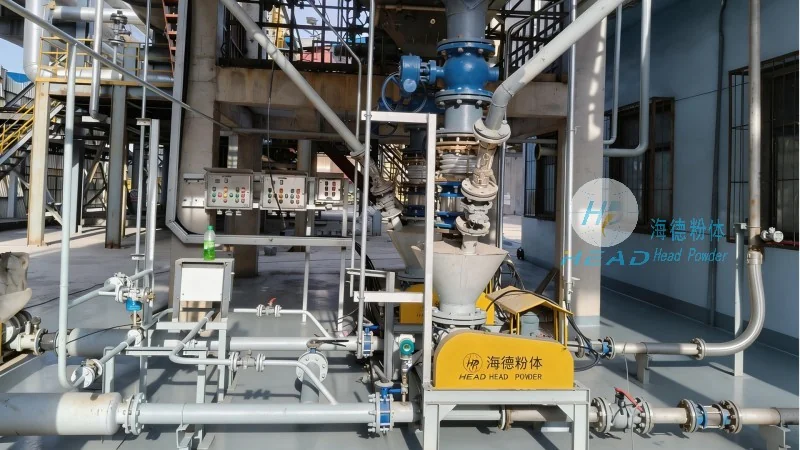
Another widely used method is pneumatic conveying, which utilizes air or other gases to transport activated carbon. This technique is particularly advantageous for materials that are light and dusty, as it minimizes the risk of material degradation and contamination. Pneumatic systems can be categorized into two main types: pressure and vacuum. Pressure systems push the material through a pipeline using compressed air, while vacuum systems draw the material into the pipeline using a vacuum pump. The choice between these systems depends on the distance to be covered and the material's properties. For instance, pressure systems are generally more suitable for longer distances, whereas vacuum systems are better for shorter distances or when the material is more delicate.
Specialized Conveying Solutions
In some cases, standard conveying methods may not be sufficient due to the unique characteristics of activated carbon. Specialized solutions have been developed to address these challenges. For example, fluidized bed conveyors are used when the carbon has a high moisture content or is prone to clumping. These systems create a fluidized bed of material, allowing for gentle and uniform transport. Another specialized method is the use of magnetic conveyors, which are particularly useful for activated carbon that contains magnetic impurities. These conveyors use magnetic fields to separate and transport the magnetic components, ensuring that the final product remains free of contaminants.
Factors Influencing the Choice of Conveying Method
The selection of an appropriate activated carbon conveying method is influenced by several key factors. First, the physical properties of the carbon itself, such as its particle size, density, and moisture content, play a significant role. Larger particles may require different handling equipment compared to fine powders. Second, the operational scale of the facility is crucial. Small-scale operations may benefit from manual or semi-automated systems, while large-scale industrial plants often require fully automated and integrated conveying solutions. Third, the distance and layout of the facility affect the choice of method. Short distances may allow for the use of mechanical conveyors, whereas long distances may necessitate pneumatic systems. Finally, the downstream processing requirements must be considered. For example, if the activated carbon is to be used in a sensitive application like pharmaceutical manufacturing, the conveying method must minimize particle breakage and contamination.
About Shandong HeadPowder Engineering Co., Ltd.
Shandong HeadPowder Engineering Co., Ltd., a leading provider of activated carbon processing solutions, specializes in the design and implementation of efficient conveying systems. With years of experience in the industry, the company understands the importance of selecting the right conveying method for each application. HeadPowder's team of experts works closely with clients to assess their specific needs and recommend the most suitable solution. The company's commitment to quality and innovation ensures that its clients receive reliable and effective conveying systems that meet their operational requirements. HeadPowder's facilities are located in Shandong, China, where the company leverages its local expertise and resources to deliver high-quality products and services to customers worldwide.

 Shandong Headpowder Engineering Co., Ltd.
 156-6277-7102(Quản lý Trương)
  0531-83386006
  Thành phố Tế Nam, Tỉnh Sơn Đông, Trung Quốc
Điện thoại
WeChatTư vấn
Lên đầu