Với hơn 10 năm kinh nghiệm về vận chuyển khí nén, Headpowder Sơn Đông cung cấp hệ thống, thiết bị và quạt gió toàn chuỗi, đảm nhận các dự án kỹ thuật bột trọn gói trên toàn quốc.
When it comes to handling and transporting micropowders, selecting the right conveying method is crucial for efficiency, product integrity, and operational safety. Micropowders, defined as powders with particle sizes typically ranging from 1 to 100 micrometers, present unique challenges during transport due to their fine size, tendency to agglomerate, and potential for dust generation. The choice of conveying method depends on factors such as the material's properties, the required conveying distance, the desired flow rate, and the overall process environment. In this article, we explore the various methods available for micropowder conveying, highlighting their applications and benefits.
1. Air-Pneumatic Conveying Systems
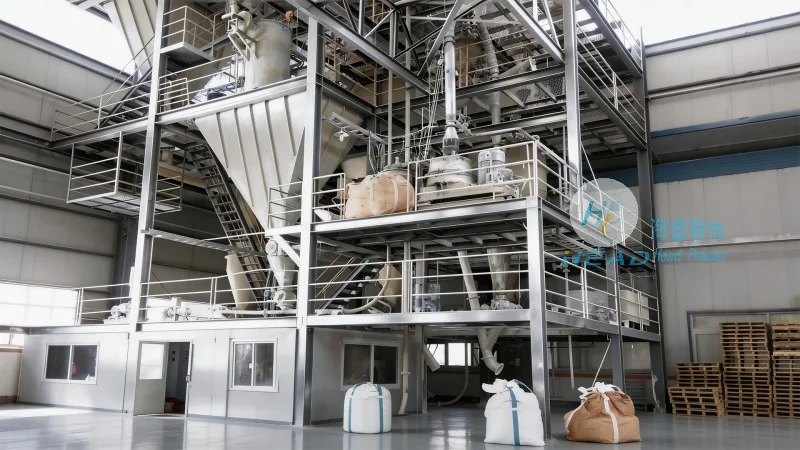
Air-pneumatic conveying, also known as pneumatic conveying, is one of the most common methods for micropowder transport. This system uses compressed air to move powders through a pipeline. There are two main types: dilute-phase and dense-phase conveying. Dilute-phase systems are suitable for short to medium distances and low to moderate flow rates, where the powder is suspended in the air stream. Dense-phase systems, on the other hand, use higher air pressure and lower air-to-powder ratios, resulting in a more concentrated powder flow that reduces particle degradation and equipment wear. The primary advantages of air-pneumatic conveying include its ability to handle fine powders without the need for mechanical components that might cause contamination or particle attrition. It also allows for enclosed transport, minimizing dust exposure and environmental impact. However, it may require more energy compared to other methods and can be less efficient for very long distances or high-volume applications.
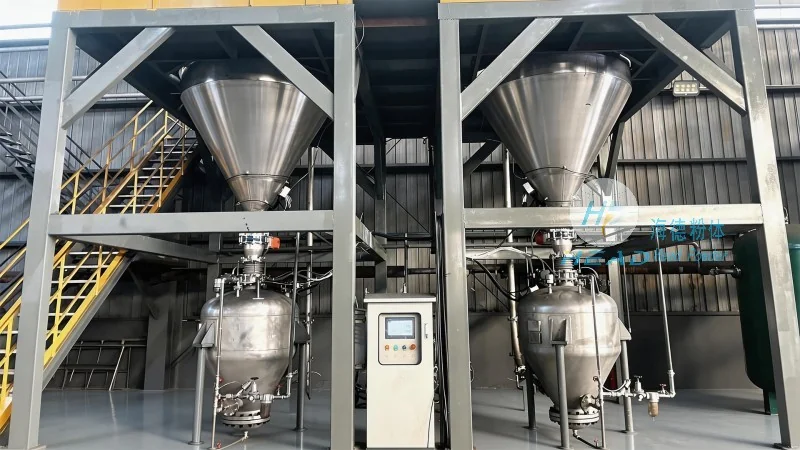
2. Screw Conveyors for Micropowders
Screw conveyors, or auger conveyors, are another effective option for micropowder conveying. These systems consist of a rotating screw (auger) inside a cylindrical trough, which moves the powder along the length of the conveyor. Screw conveyors are particularly suitable for horizontal or slightly inclined transport and are often used in applications where the powder needs to be mixed or blended during transport. They are relatively simple in design, easy to install, and can handle a wide range of micropowder types, including those that are prone to caking or agglomeration. The key benefits of screw conveyors include their ability to maintain product integrity by minimizing particle breakage and their low maintenance requirements. However, they may not be ideal for very fine powders that can cause excessive wear on the screw and trough, and they are generally less effective for vertical or steeply inclined transport.
3. Vibratory Conveyors
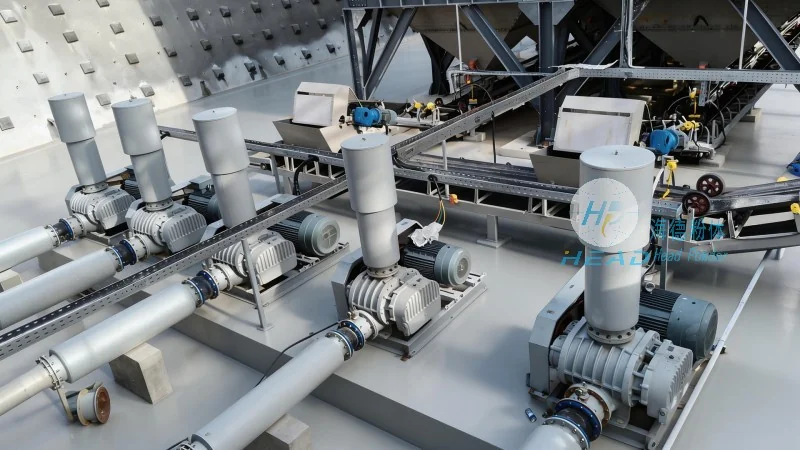
Vibratory conveyors use mechanical vibration to move micropowders along a trough. The conveyor bed is typically made of a flexible material, such as rubber or plastic, and is supported by springs or other vibration mechanisms. The vibration causes the powder to move forward in a series of steps, preventing the buildup of static charge and reducing the risk of dust accumulation. Vibratory conveyors are well-suited for handling powders that are prone to sticking or caking, as the vibration helps to break up agglomerates and maintain a consistent flow. They are also effective for vertical or inclined transport, making them a versatile option for various industrial applications. The advantages of vibratory conveyors include their ability to handle a wide range of powder characteristics, including fine and cohesive materials, and their low energy consumption compared to pneumatic systems. However, they may require more space and can be less efficient for very long conveying distances.
4. Pneumatic and Mechanical Combination Systems
In some cases, a combination of pneumatic and mechanical conveying methods may be employed to address specific challenges. For example, a system might use a screw conveyor to feed a pneumatic conveying line, where the screw ensures a consistent feed rate and the pneumatic system transports the powder over longer distances. This hybrid approach allows for the benefits of both methods, such as the efficiency of pneumatic transport and the reliability of mechanical feeding. It is particularly useful when dealing with powders that require both enclosed transport and precise control over the flow rate. The combination system can also help to reduce energy consumption and equipment wear by optimizing the use of each component. However, it may increase the complexity of the system and require more maintenance due to the integration of multiple components.
5. Selection Criteria for Micropowder Conveying Methods
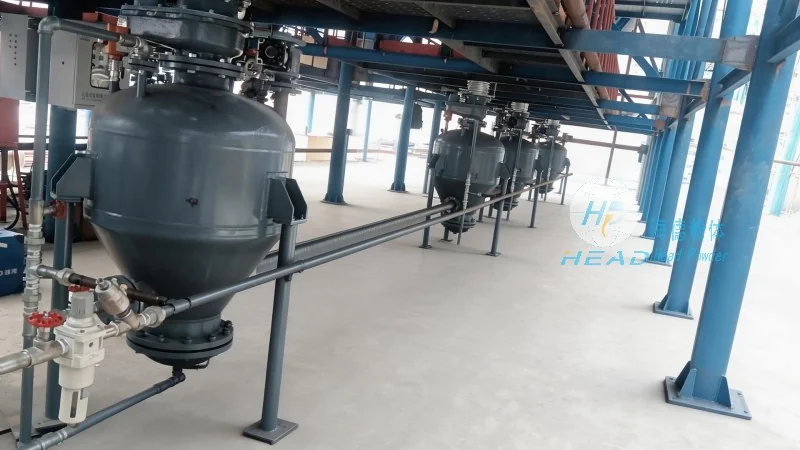
Choosing the right micropowder conveying method involves considering several key factors. First, the physical properties of the powder, such as particle size, density, and moisture content, play a significant role. For example, very fine powders may be better suited for air-pneumatic systems due to their ability to be suspended in the air, while cohesive powders may benefit from vibratory conveyors to prevent caking. Second, the conveying distance and required flow rate are critical. Short distances and low flow rates may be handled by screw conveyors or vibratory systems, while longer distances or higher flow rates may require pneumatic or hybrid systems. Third, the process environment and safety considerations must be taken into account. Enclosed systems like pneumatic conveyors are preferred in applications where dust control is essential, while open systems like screw conveyors may be used in less critical environments. Finally, cost and maintenance factors should be evaluated. While pneumatic systems may have higher initial costs and energy consumption, they can reduce long-term maintenance due to fewer mechanical parts. Mechanical systems like screw and vibratory conveyors may have lower initial costs but may require more frequent maintenance.

 Shandong Headpowder Engineering Co., Ltd.
 156-6277-7102(Quản lý Trương)
  0531-83386006
  Thành phố Tế Nam, Tỉnh Sơn Đông, Trung Quốc
Điện thoại
WeChatTư vấn
Lên đầu