Với hơn 10 năm kinh nghiệm về vận chuyển khí nén, Headpowder Sơn Đông cung cấp hệ thống, thiết bị và quạt gió toàn chuỗi, đảm nhận các dự án kỹ thuật bột trọn gói trên toàn quốc.
When it comes to the efficient operation of printing equipment, the method used to transport toner powder is a critical factor that impacts performance, reliability, and overall cost-effectiveness. Shandong HeadPowder Engineering Co., Ltd., a leading manufacturer based in Shandong, China, specializes in providing advanced solutions for toner transport systems. This article provides a detailed comparison of common toner transport methods, highlighting their advantages and disadvantages to help businesses make informed decisions.
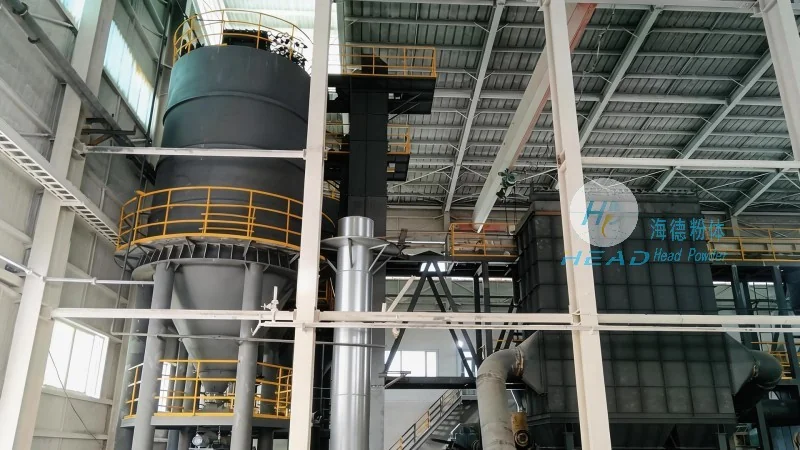
Introduction to Toner Transport Systems
Toner transport is the process of moving toner powder from its storage container to the fusing unit in a printer or copier. The efficiency of this process directly affects the quality of printed output and the longevity of the printing equipment. Two primary methods are widely used: suction-based systems and pressure-based systems. Each has its own set of advantages and disadvantages, which are discussed below.
1. Suction-Based Toner Transport Systems
Suction-based systems use a vacuum to draw toner powder from the hopper into the transport mechanism. This method is often preferred for its simplicity and low initial cost. The primary advantage of suction systems is their ability to operate with minimal pressure, reducing the risk of toner leakage or equipment damage. They are also relatively easy to install and maintain, making them a popular choice for small to medium-sized printing operations.
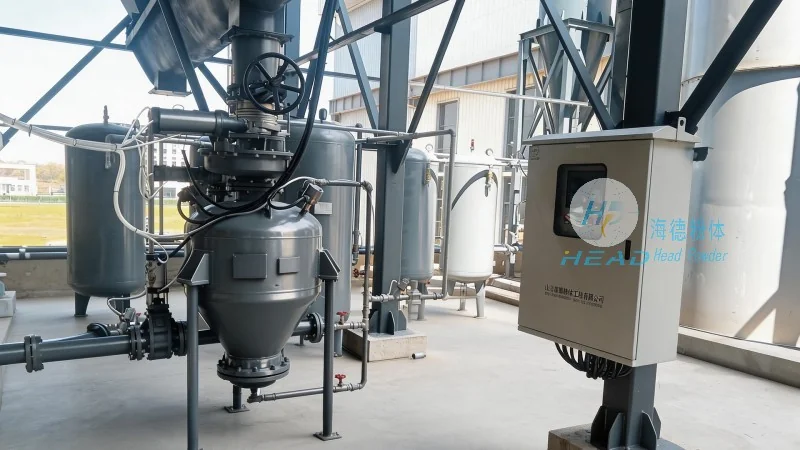
However, suction systems have several notable disadvantages. The most significant drawback is their limited capacity and speed. Due to the reliance on vacuum pressure, these systems may struggle to handle large volumes of toner, leading to slower refill times and potential interruptions in printing tasks. Additionally, suction-based transport can be less efficient in handling fine or low-density toner particles, which may result in uneven distribution and reduced print quality. Another concern is the need for regular maintenance to ensure the vacuum pump and filter system remain clean and functional, as clogs can significantly reduce performance.
2. Pressure-Based Toner Transport Systems
Pressure-based systems utilize compressed air or gas to push toner powder from the hopper into the transport line. This method is known for its higher capacity and faster refill rates, making it ideal for high-volume printing environments. The primary advantage of pressure systems is their ability to handle larger quantities of toner with greater efficiency, reducing downtime and improving overall productivity. They are also more reliable in handling various toner types, including those with different particle sizes and densities.
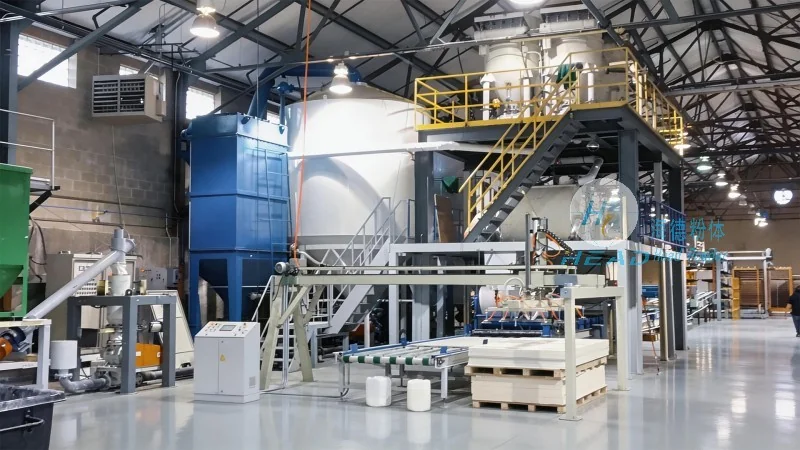
Despite these benefits, pressure-based transport has its own set of challenges. The most significant disadvantage is the higher initial cost and complexity compared to suction systems. The need for compressed air systems, pressure regulators, and robust piping can increase the upfront investment. Additionally, pressure systems require more maintenance to ensure the air supply remains clean and the pressure levels are consistent, as contaminants or fluctuations can lead to toner clogging or equipment failure. Another concern is the potential for toner leakage or pressure-related damage if the system is not properly sealed or maintained.
3. Hybrid Toner Transport Systems
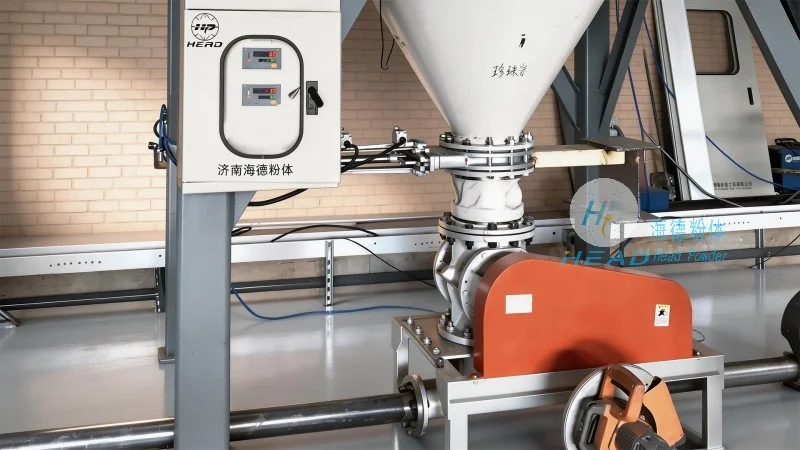
Hybrid systems combine elements of both suction and pressure-based methods to leverage the strengths of each approach. These systems typically use a vacuum to draw toner into a transport chamber and then apply pressure to move it through the line. The primary advantage of hybrid systems is their improved efficiency and flexibility, allowing them to handle a wider range of toner types and volumes. They also offer better control over toner flow, reducing the risk of clogs and improving print quality.
However, hybrid systems come with higher costs and complexity compared to traditional suction systems. The need for both vacuum and pressure components increases the initial investment and maintenance requirements. Additionally, the design and integration of hybrid systems can be more challenging, requiring specialized expertise to ensure proper operation. Despite these drawbacks, hybrid systems are often preferred by large-scale printing operations that require high performance and reliability.
Conclusion and Recommendations
Choosing the right toner transport method depends on several factors, including the volume of printing, the type of toner used, and the budget available. Suction-based systems are suitable for small to medium-sized operations with lower toner usage, while pressure-based systems are ideal for high-volume environments. Hybrid systems offer a balanced solution for businesses that require both efficiency and flexibility.
Shandong HeadPowder Engineering Co., Ltd. provides a range of toner transport solutions tailored to meet the specific needs of different printing applications. By understanding the advantages and disadvantages of each method, businesses can select the most appropriate system to enhance their printing operations and ensure consistent, high-quality output. Whether you are a small office or a large commercial printer, the right toner transport system can significantly impact your productivity and bottom line.

 Shandong Headpowder Engineering Co., Ltd.
 156-6277-7102(Quản lý Trương)
  0531-83386006
  Thành phố Tế Nam, Tỉnh Sơn Đông, Trung Quốc
Điện thoại
WeChatTư vấn
Lên đầu