Với hơn 10 năm kinh nghiệm về vận chuyển khí nén, Headpowder Sơn Đông cung cấp hệ thống, thiết bị và quạt gió toàn chuỗi, đảm nhận các dự án kỹ thuật bột trọn gói trên toàn quốc.
When it comes to transporting plastic pellets, selecting the right conveying method is crucial for efficiency, cost-effectiveness, and operational reliability. Various options exist, each with its own set of advantages and limitations. This article explores common plastic pellet conveying methods and highlights the superior features of HeadPowder's pneumatic conveying solutions.
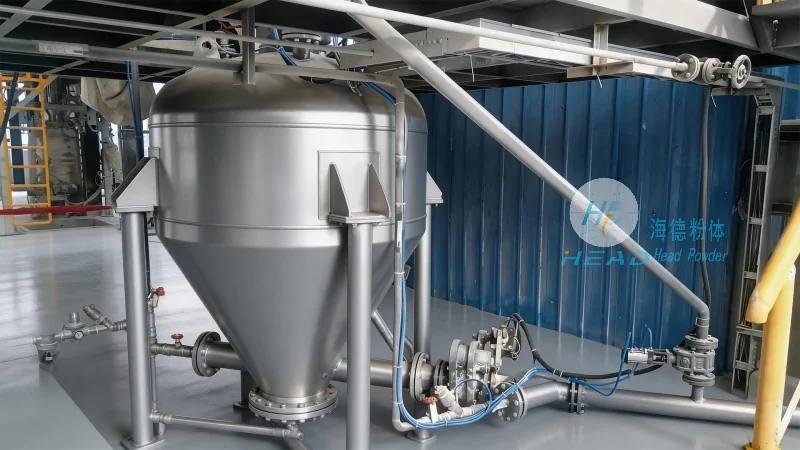
Overview of Plastic Pellet Conveying Methods
Plastic pellet conveying involves moving small, uniform plastic particles from one location to another, often within industrial manufacturing processes. The primary goal is to achieve smooth, consistent, and safe material transfer. Common methods include mechanical conveyors, such as screw conveyors and belt conveyors, as well as pneumatic systems. Each method has distinct characteristics that make it suitable for different applications and environments.
Traditional Mechanical Conveying Systems
Traditional mechanical conveyors, like screw conveyors and belt conveyors, have been widely used in the plastics industry for decades. Screw conveyors use a rotating screw to move material along a tube or trough, while belt conveyors rely on a continuous belt to transport pellets. These systems are generally low-cost and straightforward to install. However, they have several drawbacks, including the need for regular maintenance, potential for material degradation due to friction, and limitations in handling fine or dusty materials. Additionally, mechanical conveyors may not be suitable for long-distance or vertical transport without significant energy consumption.
Pneumatic Conveying: The Modern Solution
Pneumatic conveying, also known as air conveying, uses compressed air to transport plastic pellets through a pipeline. This method offers several advantages over traditional mechanical systems. It eliminates the need for moving parts in contact with the material, reducing wear and tear and maintenance requirements. Pneumatic systems are also highly flexible, allowing for complex routing and integration with existing production lines. Furthermore, they can handle a wide range of plastic types, including powders, granules, and pellets, without causing contamination or degradation.
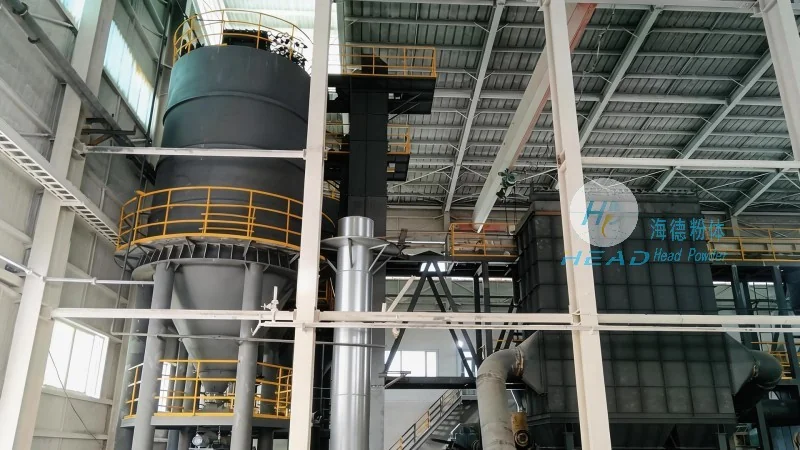
HeadPowder's Pneumatic Conveying Advantages
Shandong HeadPowder Engineering Co., Ltd. specializes in providing advanced pneumatic conveying solutions tailored to the specific needs of the plastics industry. Their systems are designed with precision and efficiency in mind, ensuring optimal performance for various applications. Key advantages of HeadPowder's pneumatic conveying include:
Efficient Material Handling: The system uses compressed air to move pellets with minimal energy consumption, reducing operational costs compared to mechanical alternatives.
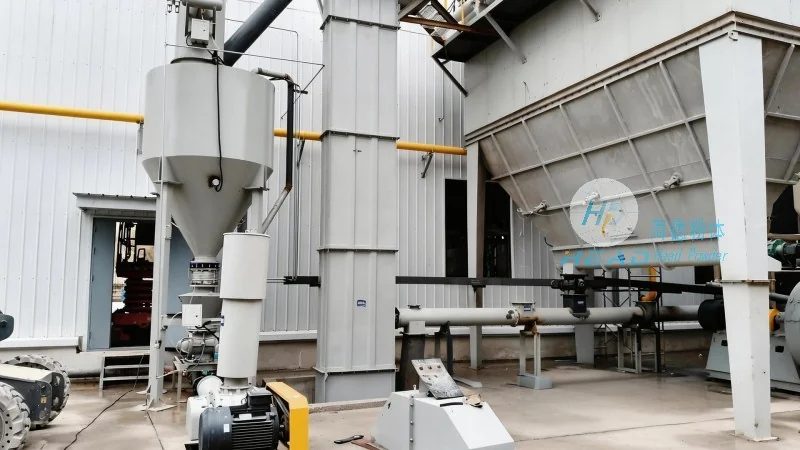
Low Maintenance: With fewer moving parts and no direct contact between the material and machinery, maintenance requirements are significantly reduced, leading to lower downtime and operational expenses.
Flexibility and Scalability: HeadPowder's systems can be easily customized and expanded to accommodate changes in production volume or process requirements. This adaptability makes them suitable for both small-scale and large-scale operations.
Hygienic and Clean Operation: Pneumatic conveying minimizes the risk of contamination, making it ideal for applications where product purity is critical, such as in food-grade or medical plastics.
Reduced Downtime: The absence of mechanical components that can break or wear out means less frequent repairs and longer operational life, enhancing overall productivity.
Conclusion
Choosing the right plastic pellet conveying method is essential for optimizing industrial processes. While traditional mechanical systems have their place, pneumatic conveying offers superior advantages in terms of efficiency, maintenance, and flexibility. HeadPowder, a leading manufacturer based in Shandong, China, provides cutting-edge pneumatic conveying solutions that address the unique challenges of plastic pellet transport. By leveraging advanced technology and tailored designs, HeadPowder ensures reliable and cost-effective material handling for plastic manufacturers worldwide.

 Shandong Headpowder Engineering Co., Ltd.
 156-6277-7102(Quản lý Trương)
  0531-83386006
  Thành phố Tế Nam, Tỉnh Sơn Đông, Trung Quốc
Điện thoại
WeChatTư vấn
Lên đầu