Với hơn 10 năm kinh nghiệm về vận chuyển khí nén, Headpowder Sơn Đông cung cấp hệ thống, thiết bị và quạt gió toàn chuỗi, đảm nhận các dự án kỹ thuật bột trọn gói trên toàn quốc.
Sintering is a critical process in the production of iron ore, where raw materials are heated to a temperature below their melting point to form a solid mass. During this process, dust and fine particles are generated, which need to be effectively removed and transported for environmental compliance and material recovery. The choice of transportation method for sintering dust is crucial as it impacts operational efficiency, environmental safety, and overall process economics. This article provides a detailed comparison of common sintering dust removal and transportation methods, highlighting the advantages and considerations for each approach.
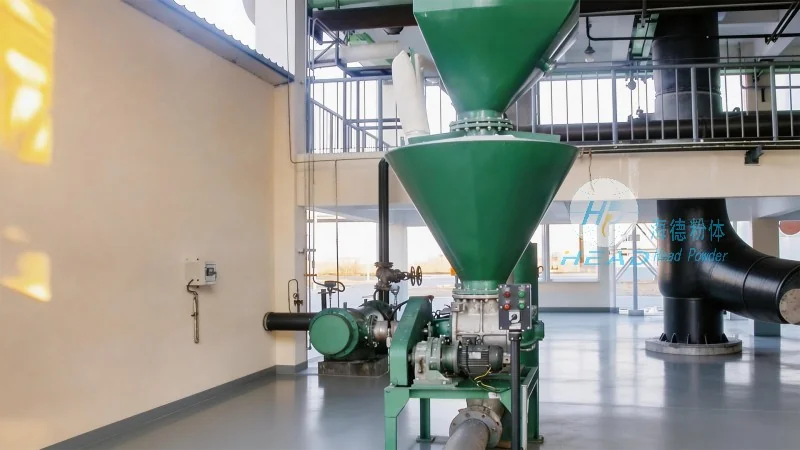
1. Pneumatic Conveying Systems
Pneumatic conveying is a widely used method for transporting sintering dust due to its ability to handle fine particles and provide a closed system that minimizes dust emissions. There are two main types: positive pressure and negative pressure systems. Positive pressure systems use compressed air to push the material through a pipeline, while negative pressure systems use vacuum to draw the material. Pneumatic conveying offers advantages such as high efficiency, low maintenance, and the ability to transport materials over long distances. However, it requires careful design to prevent blockages and ensure consistent air flow. The equipment used includes airlocks, cyclones, and flexible hoses, all of which must be properly maintained to ensure reliable operation. For sintering dust, which often contains moisture and abrasive particles, the selection of appropriate materials for the pipeline and components is essential to prevent wear and corrosion.
2. Screw Conveyors
Screw conveyors are another common option for sintering dust transportation, particularly in applications where the material is dry and free-flowing. These systems consist of a rotating screw inside a trough, which moves the material forward through the conveyor. Screw conveyors are known for their simplicity, low cost, and ability to handle a wide range of materials. They are particularly suitable for horizontal or slightly inclined transport, and can be used in both closed and open systems. The main advantages include low energy consumption, minimal dust generation during operation, and the ability to integrate with other equipment such as mixers and storage silos. However, screw conveyors may not be suitable for very fine or sticky dust, as these can cause blockages and increase wear on the screw and trough. Regular cleaning and maintenance are necessary to prevent material buildup and ensure smooth operation.
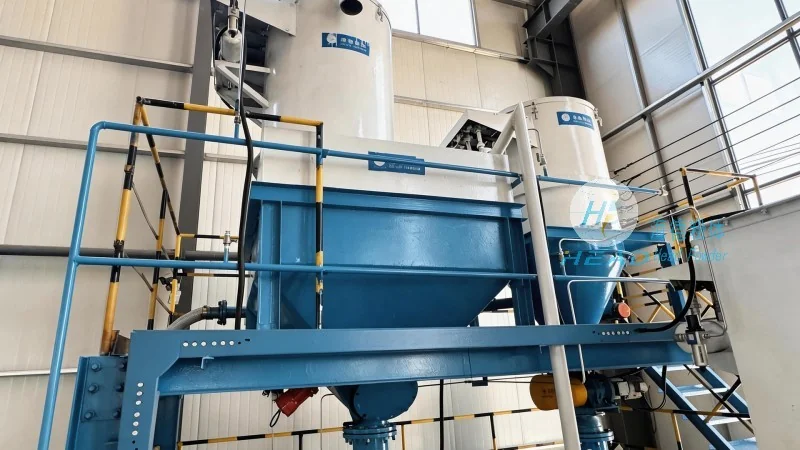
3. Belt Conveyors
Belt conveyors are often used for larger volumes of sintering dust, especially when the material is in a bulk form or has a higher moisture content. These systems use a continuous belt that moves over rollers or idlers to transport the material. Belt conveyors are highly efficient for long-distance transport and can handle a wide range of particle sizes and moisture levels. They are commonly used in open systems, though enclosed versions are available to reduce dust emissions. The advantages of belt conveyors include high capacity, low maintenance, and the ability to transport materials at high speeds. However, they require more space and may be more expensive to install compared to other methods. The selection of the belt material and tensioning system is critical to prevent slippage and ensure the conveyor operates smoothly. For sintering dust, which can be abrasive, the belt and rollers need to be made of durable materials to extend the service life.
4. Comparison of Transportation Methods
When choosing a sintering dust transportation method, several factors need to be considered, including the characteristics of the dust (particle size, moisture content, abrasiveness), the distance to be transported, the required capacity, and the available budget. Pneumatic conveying is often preferred for fine dust and long-distance transport, while screw conveyors are suitable for dry, free-flowing materials and shorter distances. Belt conveyors are ideal for bulk materials and high-capacity applications. The cost of each system varies, with pneumatic conveying generally being more expensive due to the need for compressed air or vacuum equipment, while screw and belt conveyors have lower initial costs. Maintenance requirements also differ, with pneumatic systems requiring more frequent checks for air leaks and blockages, and screw/belt systems needing regular cleaning and lubrication. Environmental considerations are also important, as some methods may generate more dust during operation, requiring additional filtration or enclosure systems.
HeadPowder's Expertise in Sintering Dust Transportation Solutions
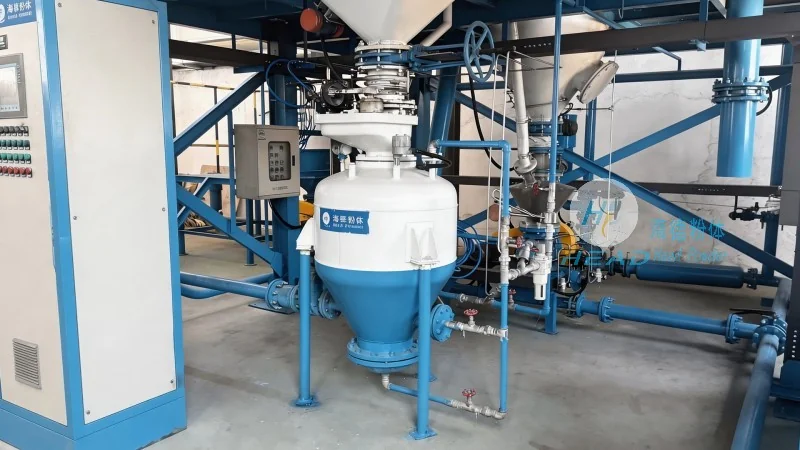
Shandong HeadPowder Engineering Co., Ltd., a leading provider of industrial dust removal and transportation systems, offers comprehensive solutions tailored to the specific needs of sintering operations. With years of experience in the industry, HeadPowder understands the challenges associated with handling sintering dust and provides customized equipment that ensures efficient and reliable transport. The company's expertise includes the design, manufacturing, and installation of pneumatic conveying systems, screw conveyors, and belt conveyors, as well as the integration of dust collection and filtration systems. HeadPowder's team of engineers works closely with clients to assess their process requirements and recommend the most suitable transportation method, ensuring optimal performance and compliance with environmental regulations. The company uses high-quality materials and advanced manufacturing techniques to produce durable and long-lasting equipment that minimizes downtime and maintenance costs. For sintering plants looking to improve their dust removal and transportation processes, HeadPowder provides not only the equipment but also technical support and maintenance services to ensure continuous and efficient operation.
Conclusion
The selection of an appropriate sintering dust transportation method is a critical decision for any sintering plant, as it directly impacts operational efficiency, environmental compliance, and overall process economics. By understanding the characteristics of the dust and the requirements of the application, plants can choose the most suitable method, whether it is pneumatic conveying, screw conveyors, or belt conveyors. HeadPowder Engineering Co., Ltd. stands ready to assist sintering operations with customized solutions that meet their specific needs, ensuring reliable and efficient dust removal and transportation. With a focus on quality, innovation, and customer satisfaction, HeadPowder provides the expertise and equipment necessary to optimize sintering processes and achieve sustainable operation.

 Shandong Headpowder Engineering Co., Ltd.
 156-6277-7102(Quản lý Trương)
  0531-83386006
  Thành phố Tế Nam, Tỉnh Sơn Đông, Trung Quốc
Điện thoại
WeChatTư vấn
Lên đầu