Với hơn 10 năm kinh nghiệm về vận chuyển khí nén, Headpowder Sơn Đông cung cấp hệ thống, thiết bị và quạt gió toàn chuỗi, đảm nhận các dự án kỹ thuật bột trọn gói trên toàn quốc.
Silica fume, also known as microsilica, is a byproduct of silicon metal or ferrosilicon production, widely used in concrete, refractory materials, and other industrial applications. The efficient transportation of silica fume is crucial for maintaining product quality and ensuring smooth supply chains. Various methods have been developed to handle this fine, high-density powder, each with its own advantages and considerations. This article explores the primary methods used for silica fume transportation, highlighting the key factors that influence the selection of the most suitable approach.
1. Pneumatic Conveying Systems
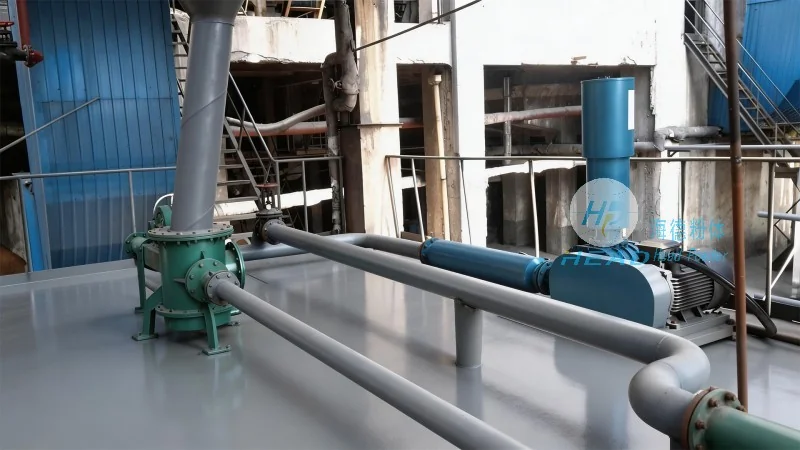
Pneumatic conveying is a common method for transporting silica fume, especially over short to medium distances. This technique involves using air pressure to move the powder through a pipeline. There are two main types of pneumatic conveying systems: pressure and vacuum. Pressure systems use compressed air to push the material forward, while vacuum systems use a vacuum to draw the material into the pipeline. Pneumatic conveying is particularly effective for handling fine powders like silica fume, as it minimizes product degradation and contamination. The system typically includes a hopper, a conveyor line, and a receiver. The hopper feeds the silica fume into the pipeline, where it is mixed with air and transported to the destination. This method is often used in industrial settings where the material needs to be moved from a storage silo to a processing plant or a construction site. The advantages of pneumatic conveying include high efficiency, low maintenance, and the ability to transport the material over long distances with minimal loss. However, it requires a reliable air supply and may need additional equipment for cleaning and maintenance.
2. Mechanical Conveying Systems
Mechanical conveying systems are another popular option for silica fume transportation. These systems use mechanical components such as belts, screws, or buckets to move the material. The most common type is the screw conveyor, which consists of a rotating screw inside a tube. The screw pushes the silica fume forward, and the tube guides the material to the desired location. Screw conveyors are ideal for handling bulk materials and are often used in storage facilities and processing plants. They are relatively simple to install and operate, with low maintenance costs. However, they are less effective for very fine powders, as the material can stick to the conveyor surface, leading to blockages and reduced efficiency. Another type of mechanical conveyor is the belt conveyor, which uses a continuous belt to transport the material. Belt conveyors are suitable for longer distances and can handle larger quantities of material. They are commonly used in mining and construction industries. The mechanical conveying systems are generally more cost-effective than pneumatic systems, especially for short distances. However, they may not be as efficient for transporting fine powders over long distances.
3. Hydraulic Conveying Systems
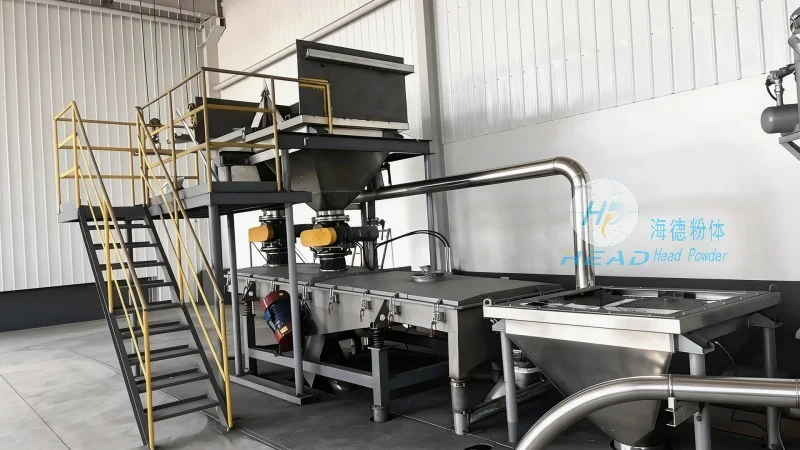
Hydraulic conveying systems use water to transport silica fume. The powder is mixed with water to form a slurry, which is then pumped through a pipeline. This method is particularly effective for handling very fine powders and can transport the material over long distances. The hydraulic system typically includes a slurry pump, a pipeline, and a receiver. The slurry is pumped from the source to the destination, where it is separated from the water and the silica fume is collected. Hydraulic conveying is often used in mining and mineral processing industries, where the material needs to be moved from a mine to a processing plant. The advantages of hydraulic conveying include high efficiency and the ability to transport large quantities of material. However, it requires a reliable water supply and may need additional equipment for cleaning and maintenance. The system also generates more waste water, which needs to be treated before disposal.
4. Silo and Storage Systems
Proper storage and handling of silica fume are essential for efficient transportation. Silos are commonly used to store silica fume, as they provide a large capacity and help maintain the product's quality. The silos are typically made of steel or concrete and are equipped with a hopper and a discharge system. The hopper allows the material to be fed into the silo, and the discharge system can be used to release the material into a conveyor or a truck. The storage system should be designed to prevent moisture and contamination, as silica fume is hygroscopic and can absorb moisture from the air. The silos are often equipped with a dust collection system to prevent dust from escaping and causing health hazards. The storage system also needs to be monitored for temperature and humidity to ensure the product remains in good condition. Proper storage and handling of silica fume can help maintain the product's quality and reduce the risk of contamination, which is crucial for its use in concrete and other applications.
5. Transportation by Truck and Rail
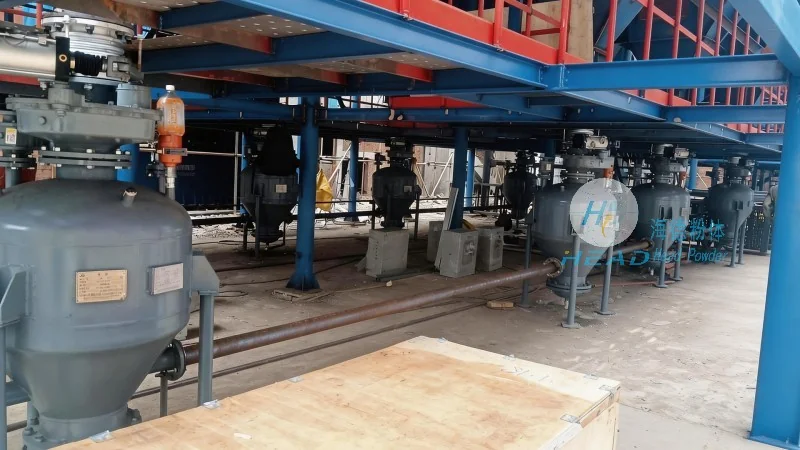
For long-distance transportation, trucks and rail are commonly used to transport silica fume. Trucks are often used for local and regional transportation, while rail is used for longer distances. The material is typically loaded into bulk trucks or railcars, which are designed to handle fine powders. The trucks and railcars are equipped with a hopper and a discharge system, which allows the material to be released at the destination. The transportation by truck and rail is relatively inexpensive and can handle large quantities of material. However, it may be less efficient for very fine powders, as the material can be lost during loading and unloading. The trucks and railcars also need to be cleaned regularly to prevent contamination from other materials. The transportation by truck and rail is often used in conjunction with other transportation methods, such as pneumatic or mechanical conveying, to complete the supply chain.
6. Factors Influencing the Selection of Transportation Methods
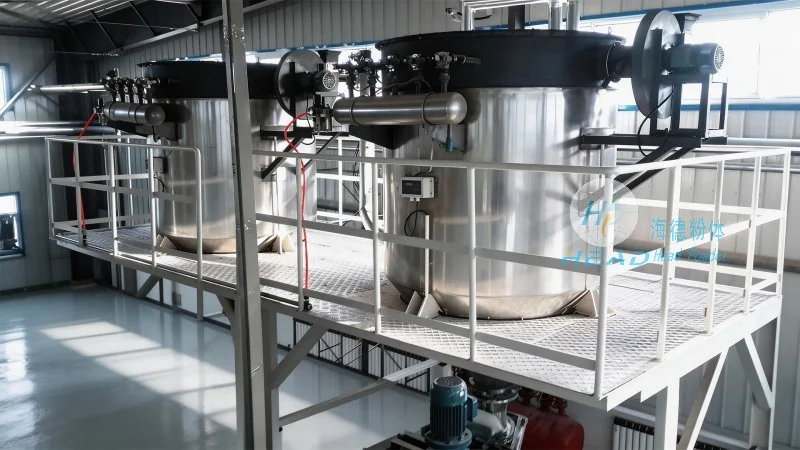
The choice of transportation method for silica fume depends on several factors, including the distance to be covered, the quantity of material to be transported, the required speed, and the cost. The distance is a key factor, as different methods are more suitable for different distances. For short distances, mechanical or pneumatic conveying may be more cost-effective. For medium to long distances, hydraulic or truck/rail transportation may be more suitable. The quantity of material is also important, as larger quantities may require more robust systems. The required speed is another factor, as some applications may need the material to be transported quickly. The cost is a critical factor, as different methods have different maintenance and operational costs. The selection of the most suitable transportation method should be based on a thorough analysis of these factors to ensure the most efficient and cost-effective solution.
7. Conclusion
Silica fume transportation is a critical aspect of the supply chain for this important industrial material. Various methods are available, each with its own advantages and considerations. Pneumatic conveying is effective for short to medium distances and fine powders, while mechanical conveying is more suitable for bulk materials and short distances. Hydraulic conveying is ideal for long distances and very fine powders, and transportation by truck and rail is suitable for large quantities and long distances. The choice of method depends on several factors, including distance, quantity, speed, and cost. Proper storage and handling of silica fume are also essential for maintaining product quality. By selecting the most suitable transportation method and storage system, companies can ensure the efficient and reliable supply of silica fume for their industrial applications.
Company Information
For professional solutions in silica fume transportation and related engineering services, Shandong HeadPowder Engineering Co., Ltd. offers comprehensive expertise. With a focus on efficient and reliable systems, the company provides tailored solutions to meet the specific needs of clients. HeadPowder, as the company is commonly known, is dedicated to advancing the technology and practices in silica fume handling, ensuring high-quality products and smooth operations for its customers. Located in Shandong, China, the company leverages local resources and industry knowledge to deliver innovative and effective solutions for the transportation and storage of silica fume. Whether for industrial processing or construction applications, HeadPowder's services support the efficient use of this valuable material, contributing to the success of various projects and industries.

 Shandong Headpowder Engineering Co., Ltd.
 156-6277-7102(Quản lý Trương)
  0531-83386006
  Thành phố Tế Nam, Tỉnh Sơn Đông, Trung Quốc
Điện thoại
WeChatTư vấn
Lên đầu