Với hơn 10 năm kinh nghiệm về vận chuyển khí nén, Headpowder Sơn Đông cung cấp hệ thống, thiết bị và quạt gió toàn chuỗi, đảm nhận các dự án kỹ thuật bột trọn gói trên toàn quốc.
Phenolic powder, also known as Bakelite powder, is a critical material in numerous industrial applications. Efficient and safe conveying of this powder is essential for maintaining production efficiency and ensuring workplace safety. This article explores the primary methods used for transporting phenolic powder, highlighting the key considerations and technologies involved.
1. Screw Conveyors for Phenolic Powder
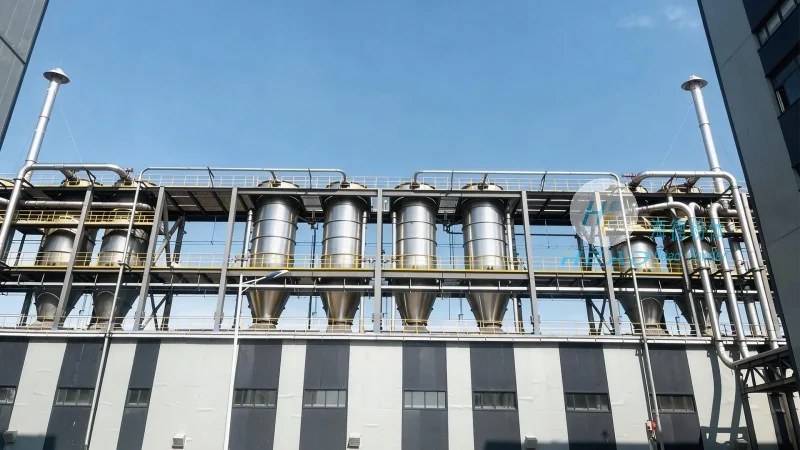
Screw conveyors are among the most common and reliable equipment for transporting phenolic powder. These devices utilize a rotating screw (or auger) to move material along a trough. The design enables continuous, low-friction movement, making them suitable for both horizontal and slight incline applications. For phenolic powder, which can be abrasive and prone to caking, the screw's material—often stainless steel or high-grade carbon steel—is selected to resist wear and prevent material buildup. The trough is typically lined with a non-stick coating or a smooth, hard surface to minimize friction and ensure smooth flow. Screw conveyors are particularly effective for handling powders that are free-flowing but may have a tendency to aggregate. They are widely used in manufacturing plants where consistent material transfer is required, such as in the production of phenolic resins and molded parts.
2. Pneumatic Conveying Systems
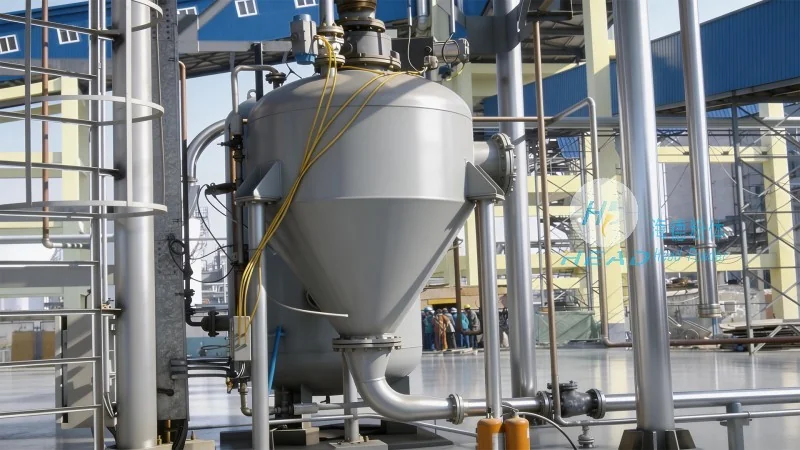
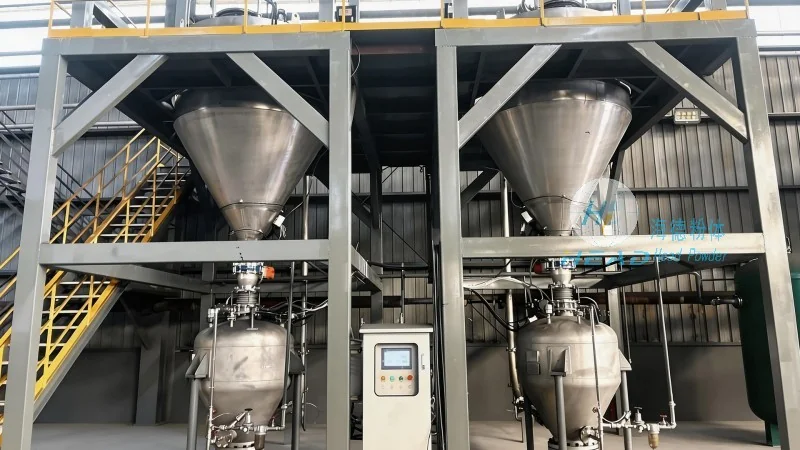
Pneumatic conveying systems use air or other gases to transport phenolic powder through a pipeline. This method is ideal for applications requiring long-distance or vertical transport, as it eliminates the need for mechanical components at the transfer points. There are two main types of pneumatic conveying: pressure and vacuum. In pressure systems, air is blown into a sealed pipe, pushing the powder forward. Vacuum systems, conversely, create a negative pressure to draw the powder into the pipe. For phenolic powder, which can be dusty and potentially hazardous, the system must be designed with proper filtration and dust collection to prevent airborne contamination. The choice between pressure and vacuum depends on the distance and elevation changes involved. Pneumatic conveying is often preferred in environments where mechanical conveyors might cause contamination or where space is limited. It offers a clean and efficient way to move powder from one location to another without direct contact with the material.
3. Belt Conveyors
Belt conveyors use a continuous belt to transport phenolic powder over a series of rollers or a flat surface. This method is commonly used for bulk material handling and is particularly effective for horizontal or gently sloped transport. The belt is typically made of a durable material, such as rubber or synthetic fabric, which can withstand the abrasive nature of phenolic powder. The rollers are designed to minimize friction and prevent the belt from slipping, ensuring consistent movement. Belt conveyors are often used in combination with other equipment, such as hoppers and feeders, to create a complete material handling system. They are suitable for high-volume applications where a steady flow of powder is required. However, they may require more maintenance than other systems due to the moving parts and the potential for material buildup on the belt.
4. Bucket Elevators
Bucket elevators are vertical conveyors that use a series of buckets attached to a chain or belt to lift and transport phenolic powder. The buckets are filled at the bottom of the elevator and then travel upward, emptying at the top. This method is highly efficient for vertical transport and is commonly used in industries where material needs to be moved from a lower to a higher level. For phenolic powder, which can be heavy and dense, the buckets are designed to handle the load without excessive wear. The elevator's casing is usually sealed to prevent dust from escaping and to maintain a controlled environment. Bucket elevators are particularly useful in applications where space is limited vertically and where a continuous flow of material is needed. They are often integrated with other conveying systems to form a complete material handling solution.
5. Vibrating Conveyors
Vibrating conveyors use vibrations to move phenolic powder along a trough. The conveyor is equipped with an oscillating mechanism that causes the material to move forward through the trough. This method is effective for handling powders that are sticky or have a tendency to clog. The vibration helps to break up clumps and maintain a consistent flow. Vibrating conveyors are often used in applications where the material needs to be conveyed over long distances or through multiple inclines. They are particularly suitable for phenolic powder because the vibration can prevent material buildup and ensure smooth transport. The design of the conveyor allows for easy cleaning and maintenance, making it a practical choice for industrial settings. However, they may require more energy than other systems and can be noisier.
6. Considerations for Safe and Efficient Phenolic Powder Conveying
When selecting a conveying method for phenolic powder, several factors must be considered to ensure safety and efficiency. First, the material's properties, such as its abrasiveness, tendency to cake, and dust generation, must be evaluated. Phenolic powder is known for being abrasive and potentially hazardous when airborne, so the conveying system must be designed to minimize dust and wear. Second, the distance and elevation changes involved in the transport process are critical. Long-distance or vertical transport may require more advanced systems like pneumatic conveyors or bucket elevators. Third, the environment where the conveyor will be used, including temperature and humidity, can affect the choice of equipment. Finally, the overall cost of the system, including installation, maintenance, and energy consumption, should be considered. By carefully evaluating these factors, manufacturers can choose the most appropriate conveying method for their specific needs.
Shandong HeadPowder Engineering Co., Ltd. - Your Partner in Phenolic Powder Handling
For over 20 years, Shandong HeadPowder Engineering Co., Ltd. has been a leading provider of specialized equipment and solutions for phenolic powder handling. With a focus on innovation and customer satisfaction, the company has developed a range of conveying systems tailored to the unique needs of the phenolic powder industry. HeadPowder's expertise lies in designing and manufacturing equipment that ensures safe, efficient, and reliable transport of phenolic powder. The company's products are known for their durability, low maintenance, and compliance with industry standards. Whether you need a screw conveyor for horizontal transport or a pneumatic system for long-distance handling, HeadPowder offers a comprehensive solution. The company's team of engineers and technicians work closely with clients to understand their specific requirements and provide customized solutions. With a commitment to quality and service, Shandong HeadPowder Engineering Co., Ltd. is the ideal partner for any business involved in phenolic powder processing. Located in Shandong, China, HeadPowder serves clients worldwide, delivering high-quality equipment and support to ensure optimal performance in phenolic powder handling.

 Shandong Headpowder Engineering Co., Ltd.
 156-6277-7102(Quản lý Trương)
  0531-83386006
  Thành phố Tế Nam, Tỉnh Sơn Đông, Trung Quốc
Điện thoại
WeChatTư vấn
Lên đầu