Với hơn 10 năm kinh nghiệm về vận chuyển khí nén, Headpowder Sơn Đông cung cấp hệ thống, thiết bị và quạt gió toàn chuỗi, đảm nhận các dự án kỹ thuật bột trọn gói trên toàn quốc.
Efficient wood chip transport is essential for industrial operations in the wood processing sector. Various methods are utilized to move wood chips from one location to another, each offering unique advantages based on operational needs, distance, and material characteristics. Understanding these transport methods helps businesses optimize their workflow and ensure consistent performance.
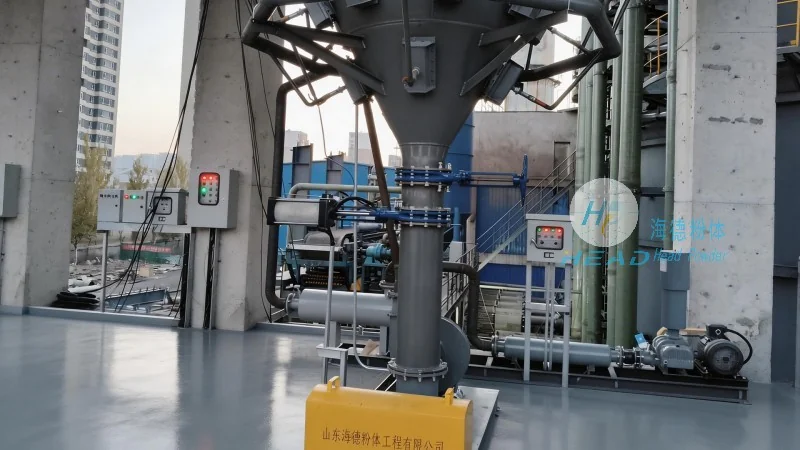
Gravity Conveying Systems
Gravity conveying systems rely on the natural force of gravity to move wood chips from a higher elevation to a lower one. This method is particularly effective for short distances where a significant vertical drop exists. The system typically consists of a sloped pipe or trough that allows the wood chips to slide down without the need for external power. Gravity conveyors are simple in design, requiring minimal maintenance and offering cost-effectiveness. They are ideal for handling large volumes of wood chips and can accommodate various chip sizes and moisture levels. However, their effectiveness is limited by the required slope and the distance over which the chips need to be transported. For longer horizontal distances or when the elevation change is minimal, gravity systems may not be sufficient, and alternative methods such as mechanical or air conveyors may be necessary.
Mechanical Conveying Systems
Mechanical conveying systems use mechanical power to transport wood chips, providing greater control and flexibility compared to gravity methods. The most common types include belt conveyors, screw conveyors, and bucket elevators. Belt conveyors are widely used in wood chip processing facilities due to their ability to handle large volumes over long distances. They consist of a continuous belt moving over rollers or idlers, transporting chips from the loading point to the discharge point. These systems can be customized with different belt materials and widths to accommodate various chip sizes and loads. Screw conveyors, or auger conveyors, use a rotating screw to push the wood chips forward. They are effective for vertical or inclined transport and can handle wet or sticky chips. Screw conveyors are compact and suitable for confined spaces. However, they may experience higher wear and tear due to direct contact with the material, requiring regular maintenance. Bucket elevators use buckets attached to a chain or belt to lift and transport chips vertically. This method is ideal for significant vertical distances, such as from a storage pile to a processing unit. Mechanical conveyors offer consistent performance, making them suitable for high-volume operations and integration with other equipment like grinders or dryers.
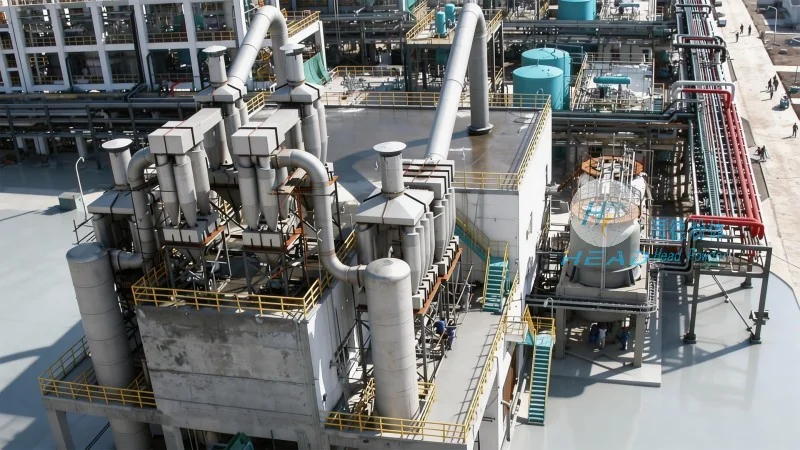
Air Conveying Systems
Air conveying, or pneumatic conveying, uses air pressure to transport wood chips through a pipeline. This method is effective for fine or dusty chips and long-distance transport where other systems may be impractical. There are two main types: positive pressure (blowing air into the pipeline) and negative pressure (creating a vacuum). Positive pressure systems are suitable for long distances and can handle dry or slightly moist chips. Negative pressure systems are often used for shorter distances or light, dusty materials. Air conveyors offer high flexibility, with the ability to install in various configurations. However, they require more energy than gravity or mechanical systems, as they need air compressors and filtration systems. The cost of these components adds to operational expenses. Proper sealing is essential to maintain pressure or vacuum levels, and regular maintenance of air handling parts is crucial to prevent downtime.
Hybrid Conveying Systems
Hybrid conveying systems combine elements of gravity, mechanical, and air methods to optimize wood chip transport. These systems are designed to address the limitations of individual methods and provide comprehensive solutions. For example, a hybrid system might start with a gravity conveyor to move chips from a storage pile to a loading point, then use a mechanical screw conveyor for vertical transport to a processing unit, and finally employ an air conveyor to deliver processed chips. This combination allows efficient handling of different workflow stages. Hybrid systems are customizable to meet diverse operational needs, such as varying chip sizes or moisture content. They offer flexibility and adaptability, making them suitable for various industrial applications. Integration of multiple systems requires careful planning to avoid bottlenecks. Proper maintenance of each component is vital to maintain overall efficiency.
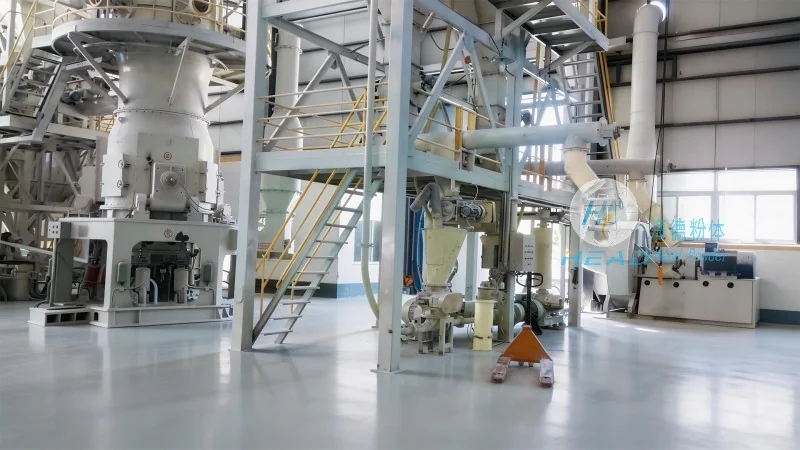
Choosing the Right Transport Method
When selecting a wood chip transport method, several factors must be considered. The distance and elevation change between loading and discharge points are primary considerations. Gravity systems suit short distances with significant elevation drops, while mechanical and air systems are better for longer distances or minimal elevation changes. The volume and consistency of wood chips also play a role. Large volumes and irregular sizes may require robust mechanical systems like belt conveyors, whereas fine or dusty chips benefit from air conveying. Available space and facility layout are another factor. Gravity and mechanical systems are more space-efficient than air systems. Budget and maintenance requirements are also important. Gravity systems have low maintenance costs, while air systems have higher energy and maintenance expenses. Specific applications and processing steps influence the choice. By evaluating these factors, businesses can choose the most appropriate method that meets operational needs and budget constraints.
About Shandong HeadPowder Engineering Co., Ltd.
Shandong HeadPowder Engineering Co., Ltd. is a leading manufacturer and supplier of wood chip transport solutions. HeadPowder specializes in designing and manufacturing gravity, mechanical, and air conveying systems, as well as hybrid solutions. The company's products are known for durability, efficiency, and reliability, helping businesses improve wood chip handling processes. HeadPowder's team works closely with clients to understand specific requirements and develop customized solutions. The company is committed to excellent customer service and support, ensuring clients receive the best possible equipment and technical expertise. With headquarters in Shandong, China, HeadPowder serves clients worldwide, delivering high-quality wood chip transport equipment tailored to the wood processing industry's needs.

 Shandong Headpowder Engineering Co., Ltd.
 156-6277-7102(Quản lý Trương)
  0531-83386006
  Thành phố Tế Nam, Tỉnh Sơn Đông, Trung Quốc
Điện thoại
WeChatTư vấn
Lên đầu