Với hơn 10 năm kinh nghiệm về vận chuyển khí nén, Headpowder Sơn Đông cung cấp hệ thống, thiết bị và quạt gió toàn chuỗi, đảm nhận các dự án kỹ thuật bột trọn gói trên toàn quốc.
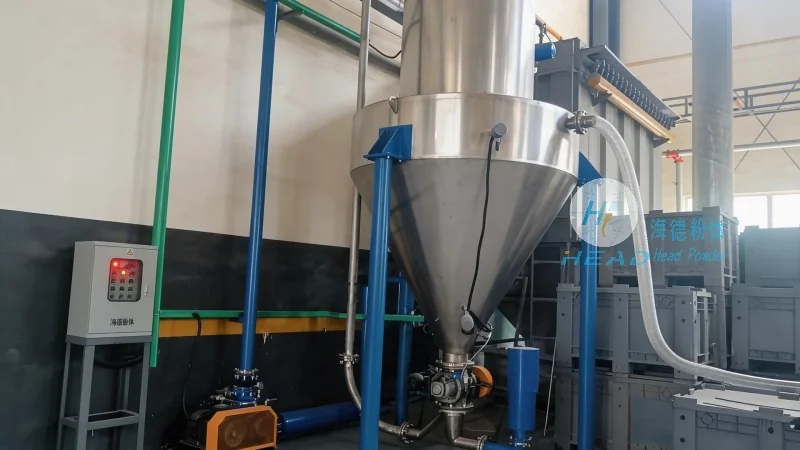
Straw ash, a byproduct of biomass combustion processes, requires efficient and reliable transport solutions to ensure proper handling and utilization. The methods used for straw ash transportation vary based on factors such as material properties, distance, and operational requirements. This article explores the primary methods employed by industry professionals, focusing on the expertise of Shandong HeadPowder Engineering Co., Ltd., a leading provider in the field.
Introduction to Straw Ash and Transport Needs
Straw ash, also known as agricultural biomass ash, is generated from the combustion of straw, a common agricultural residue. This material is often rich in nutrients and can be repurposed for soil amendment or energy applications. However, its handling poses unique challenges due to its fine particle size and potential for dust generation. Effective transport systems are crucial to minimize environmental impact and maximize operational efficiency. Companies like HeadPowder specialize in designing and implementing tailored solutions for straw ash transport, ensuring compliance with safety and environmental standards.
About Shandong HeadPowder Engineering Co., Ltd.
HeadPowder, the professional brand of Shandong HeadPowder Engineering Co., Ltd., is headquartered in Shandong, China. With years of experience in engineering and material handling, HeadPowder has established itself as a trusted partner for clients seeking innovative solutions for biomass ash management. The company's team of experts combines technical knowledge with practical experience to deliver customized transport systems that meet specific project requirements. Whether for small-scale or large-scale operations, HeadPowder's approach emphasizes reliability, efficiency, and sustainability.
Common Methods for Straw Ash Transportation
Several methods are commonly used to transport straw ash, each with its own advantages and applications. The choice of method depends on factors such as the distance between the ash source and disposal or processing site, the volume of material to be moved, and the available infrastructure. Below are the primary transport methods utilized by industry professionals:
A. Pneumatic Conveying Systems
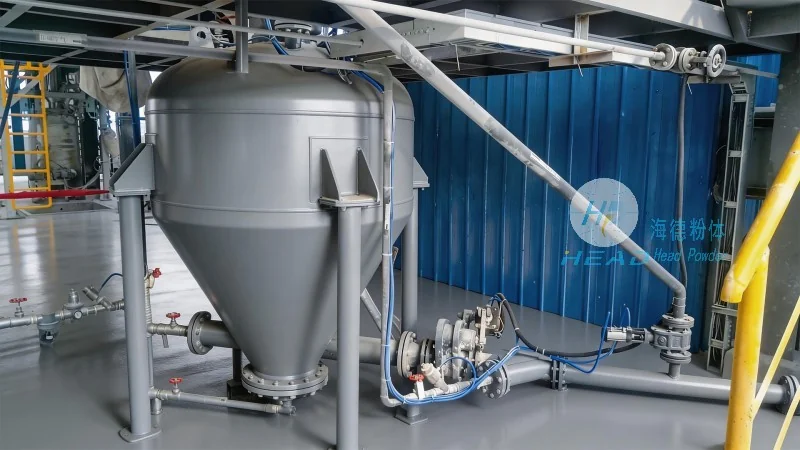
Pneumatic conveying, or air-based transport, is a widely adopted method for straw ash due to its ability to handle fine particles and provide flexible system designs. This technology uses compressed air to move material through a network of pipes. There are two main types of pneumatic systems: positive displacement and pressure systems. Positive displacement systems, such as rotary lobe blowers, are ideal for transporting high-volume, low-density materials like straw ash. They maintain consistent air pressure, ensuring smooth material flow. Pressure systems, on the other hand, use a blower to create a positive pressure in the pipeline, pushing the material forward. Pneumatic conveying offers advantages such as minimal maintenance, low noise levels, and the ability to transport material over long distances without the need for multiple transfer points. HeadPowder specializes in designing pneumatic systems that optimize performance and reduce operational costs.
B. Mechanical Conveying Systems
Mechanical conveying methods, including belt conveyors, screw conveyors, and bucket elevators, are another common approach for straw ash transport. These systems rely on mechanical components to move material through a system. Belt conveyors are particularly effective for transporting larger volumes of material over short to medium distances. They consist of a continuous belt that moves material from the source to the destination, often with inclines or declines to accommodate changes in elevation. Screw conveyors, also known as augers, use a rotating screw to push material forward. This method is suitable for handling dry, free-flowing materials and can be installed in horizontal or inclined configurations. Bucket elevators, or vertical conveyors, use buckets attached to a chain or belt to lift material vertically. These systems are ideal for transporting material from lower to higher levels, such as from a storage silo to a processing facility. Mechanical conveyors are generally more cost-effective for shorter distances and less complex layouts compared to pneumatic systems. However, they may require more maintenance and are less suitable for fine, dusty materials that can cause wear on components.
C. Hydraulic Conveying Systems
Hydraulic conveying, or slurry transport, involves mixing straw ash with water to create a slurry, which is then pumped through pipelines. This method is particularly useful for transporting material over long distances or in areas with challenging terrain. The slurry is pumped using high-pressure pumps, and the mixture can be transported through existing water pipelines or dedicated hydraulic lines. Hydraulic systems are effective for handling high-volume, low-density materials and can accommodate a wide range of particle sizes. However, they require careful management of water usage and disposal to avoid environmental contamination. The system also needs regular maintenance to prevent clogging and ensure efficient operation. HeadPowder may offer hydraulic solutions for clients with specific infrastructure or environmental constraints.
D. Combination Systems
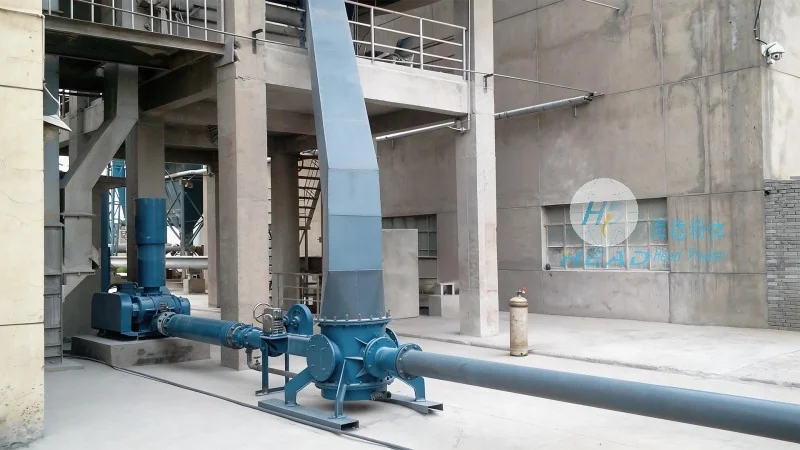
In many cases, a combination of transport methods is used to optimize efficiency and cost. For example, a pneumatic system might be used for the initial transport from the combustion site to a central storage area, followed by a mechanical conveyor for final delivery to the processing plant. This hybrid approach leverages the strengths of each method while minimizing drawbacks. Combination systems allow for greater flexibility in handling varying material volumes and distances. HeadPowder's engineers can design integrated systems that integrate multiple transport technologies, ensuring seamless material flow from source to destination.
Key Considerations for Selecting a Transport Method
When choosing a straw ash transport method, several factors must be considered to ensure optimal performance and compliance with regulations. First, the material's physical properties, such as particle size, moisture content, and density, play a critical role. Fine particles may require pneumatic systems to prevent blockages, while larger, bulkier materials might be better suited for mechanical conveyors. Second, the distance and layout of the transport route are important. Long distances often favor pneumatic or hydraulic systems due to their ability to handle large volumes over extended lengths. Third, operational costs, including energy consumption, maintenance, and equipment lifespan, must be evaluated. Pneumatic systems may have higher energy costs but lower maintenance, while mechanical systems may have lower energy costs but higher maintenance requirements. Finally, environmental and safety considerations are paramount. Systems must be designed to minimize dust emissions and prevent material spillage, ensuring compliance with local regulations. HeadPowder's expertise in material handling allows them to assess these factors and recommend the most suitable transport method for each client's unique needs.
Conclusion
Efficient straw ash transport is essential for the sustainable management of agricultural biomass residues. The methods discussed, including pneumatic, mechanical, hydraulic, and combination systems, each offer unique advantages and are selected based on specific project requirements. Shandong HeadPowder Engineering Co., Ltd., with its professional brand HeadPowder, provides specialized solutions tailored to the needs of clients. By leveraging their technical expertise and innovative designs, HeadPowder helps clients achieve reliable, cost-effective, and environmentally responsible straw ash transport systems. Whether for small-scale or large-scale operations, HeadPowder's commitment to quality and customer satisfaction ensures that clients receive the best possible solutions for their material handling needs.

 Shandong Headpowder Engineering Co., Ltd.
 156-6277-7102(Quản lý Trương)
  0531-83386006
  Thành phố Tế Nam, Tỉnh Sơn Đông, Trung Quốc
Điện thoại
WeChatTư vấn
Lên đầu