Với hơn 10 năm kinh nghiệm về vận chuyển khí nén, Headpowder Sơn Đông cung cấp hệ thống, thiết bị và quạt gió toàn chuỗi, đảm nhận các dự án kỹ thuật bột trọn gói trên toàn quốc.
Pyrolysis char, a valuable byproduct in the pyrolysis process, requires efficient transportation to ensure smooth industrial operations. The methods for transporting pyrolysis char vary based on factors such as material properties, plant scale, and operational requirements. This article explores the common methods used for pyrolysis char transportation, providing insights into the practical approaches adopted by industries.
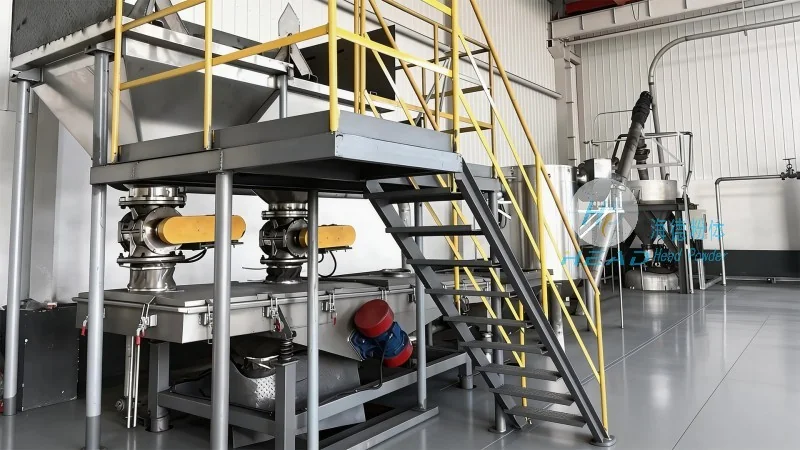
Overview of Pyrolysis Char Transportation
Pyrolysis char, also known as biochar or carbonaceous residue, is a solid product obtained from the thermal decomposition of organic materials under controlled conditions. It is characterized by high carbon content and various applications in agriculture, environmental remediation, and energy production. The transportation of pyrolysis char is a critical step in the overall pyrolysis process, as it connects the production unit to downstream processing or storage facilities. Efficient transportation methods not only enhance operational efficiency but also minimize material loss and environmental impact.
Key Factors Influencing Transportation Methods
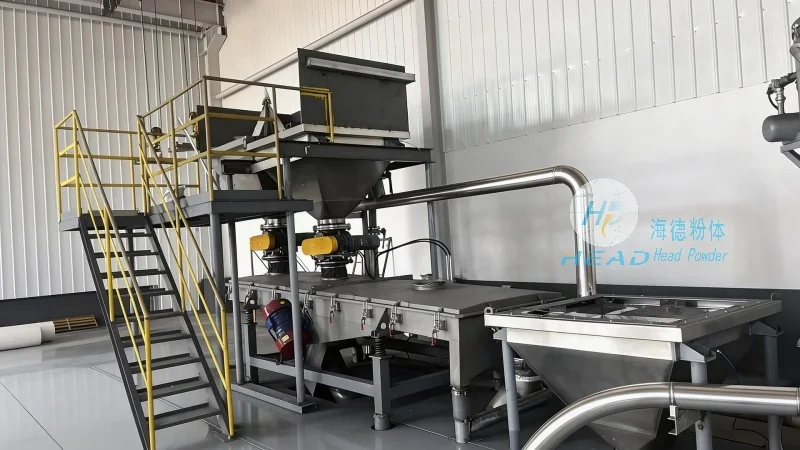
The choice of pyrolysis char transportation method is influenced by several key factors. These include the physical properties of the char, such as particle size, moisture content, and bulk density; the scale of the pyrolysis plant, which determines the volume of char to be transported; and the distance between the production site and the destination. Additionally, operational considerations like cost, speed, and environmental regulations also play a significant role in selecting the appropriate transportation method. Understanding these factors is essential for selecting the most suitable approach for a specific pyrolysis plant.
Common Methods for Pyrolysis Char Transportation
Several methods are commonly employed for the transportation of pyrolysis char. The selection of a method depends on the specific characteristics of the char and the operational needs of the plant. The primary methods include bulk handling systems, pneumatic conveying, and mechanical transport systems.
Bulk Handling Systems
Bulk handling systems are widely used for transporting pyrolysis char, especially in large-scale industrial applications. These systems involve the use of conveyor belts, screw conveyors, and bucket elevators to move the char from the production unit to storage or processing areas. Conveyor belts are particularly effective for horizontal or slight incline transportation, while screw conveyors are suitable for vertical or inclined movement. Bucket elevators are used when the char needs to be lifted to a higher elevation. Bulk handling systems are known for their reliability, low maintenance requirements, and ability to handle large volumes of material. They are often integrated with other equipment, such as grinders or classifiers, to improve the quality of the char before transportation.
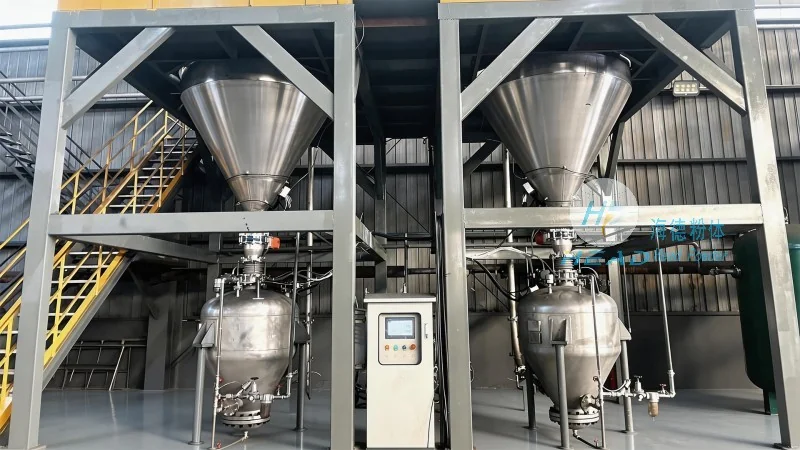
Pneumatic Conveying
Pneumatic conveying is another common method for transporting pyrolysis char, particularly when the char is in a fine or powder form. This method involves the use of air or other gases to transport the char through a pipeline system. The char is typically mixed with air in a hopper and then conveyed through a series of pipes to the destination. Pneumatic conveying offers advantages such as the ability to transport material over long distances, minimal material loss, and the option to integrate with other processing equipment. However, it requires careful consideration of air pressure, flow rates, and the potential for material degradation due to friction and heat generation.
Mechanical Transport Systems

Mechanical transport systems, including trucks and railcars, are used for transporting pyrolysis char when the distance between the production site and the destination is significant. Trucks are commonly used for short to medium distances, while railcars are suitable for longer distances. These systems are particularly effective when the char needs to be transported to remote locations or to other facilities for further processing. Mechanical transport systems provide flexibility in terms of route and destination, but they may require additional handling at the loading and unloading points. The choice of truck or railcar depends on factors such as the volume of char, the distance, and the availability of infrastructure.
Integration with Downstream Processing
The transportation of pyrolysis char is often integrated with downstream processing steps to enhance overall efficiency. For example, the char may be transported to a storage silo or a processing unit where it is further treated or utilized. The integration of transportation and processing systems allows for a seamless flow of material, reducing downtime and improving operational efficiency. Companies like Shandong HeadPowder Engineering Co., Ltd., based in China, specialize in providing comprehensive solutions for pyrolysis char transportation and processing. Their expertise in bulk handling and pneumatic conveying systems ensures that clients receive tailored solutions that meet their specific operational needs.
Conclusion
In conclusion, the transportation of pyrolysis char is a critical aspect of the pyrolysis process, and the choice of method depends on various factors. Bulk handling systems, pneumatic conveying, and mechanical transport systems are the primary methods used, each with its own advantages and limitations. By considering the physical properties of the char, plant scale, and operational requirements, industries can select the most suitable transportation method to ensure efficient and cost-effective operations. Companies like Shandong HeadPowder Engineering Co., Ltd. play a vital role in providing the necessary equipment and expertise to support the transportation and processing of pyrolysis char, contributing to the growth and sustainability of the pyrolysis industry.

 Shandong Headpowder Engineering Co., Ltd.
 156-6277-7102(Quản lý Trương)
  0531-83386006
  Thành phố Tế Nam, Tỉnh Sơn Đông, Trung Quốc
Điện thoại
WeChatTư vấn
Lên đầu