Với hơn 10 năm kinh nghiệm về vận chuyển khí nén, Headpowder Sơn Đông cung cấp hệ thống, thiết bị và quạt gió toàn chuỗi, đảm nhận các dự án kỹ thuật bột trọn gói trên toàn quốc.
For industrial applications involving the transport of potassium carbonate, a well-designed pneumatic conveying system is crucial for efficiency, safety, and cost-effectiveness. This article outlines key considerations and steps for developing a comprehensive plan tailored to the specific needs of a potassium carbonate handling operation, presented by Shandong HeadPowder Engineering Co., Ltd., a leading provider in the field based in China.
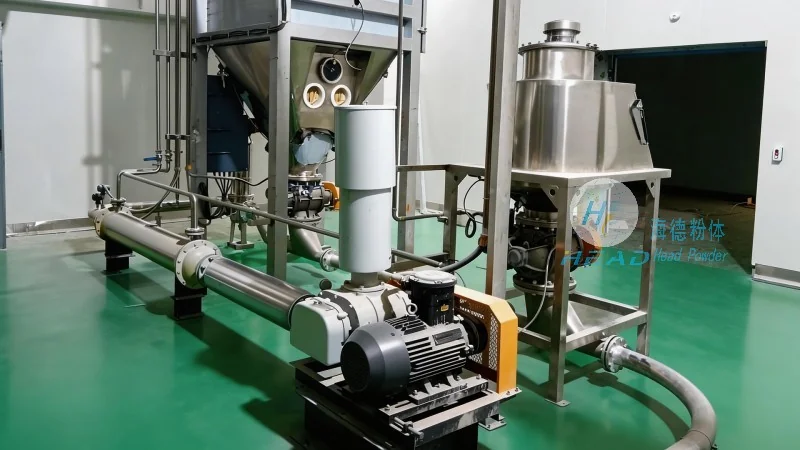
Understanding the Core Requirements of a Potassium Carbonate Pneumatic Conveying System
Before initiating the design process, it is essential to thoroughly analyze the operational parameters and material characteristics of potassium carbonate. This includes assessing the bulk density, particle size distribution, moisture content, and flowability of the material, as these factors directly impact the system's performance. Additionally, the desired conveying distance, throughput capacity, and environmental constraints must be considered. A thorough understanding of these requirements ensures that the system is designed to meet both current and future operational demands.
Key Design Elements for an Efficient Potassium Carbonate Pneumatic Conveying System
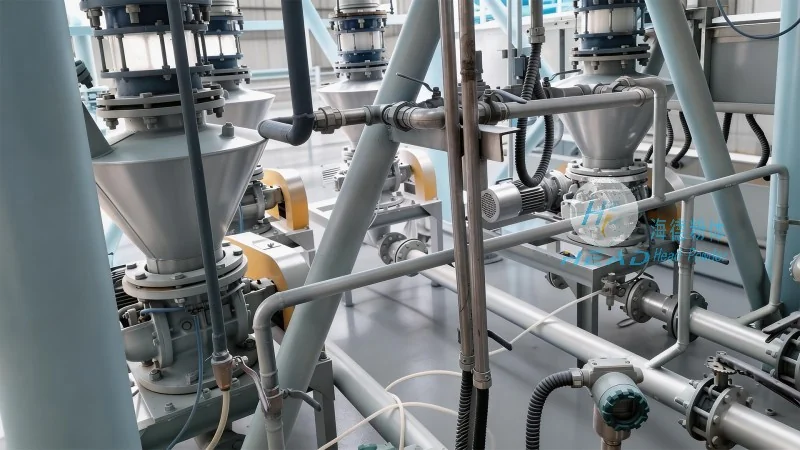
The design of a pneumatic conveying system for potassium carbonate involves several critical components, each playing a vital role in the overall functionality. The system typically includes a material hopper or silo for storage, a feeder mechanism to control the flow rate, a conveying line (either positive or negative pressure), and a receiver or discharge point. For potassium carbonate, which may have specific handling requirements due to its chemical properties, the selection of appropriate materials for the hopper and conveying line is paramount to prevent corrosion or degradation. The feeder, often a rotary valve or screw feeder, must be capable of handling the material's flow characteristics without causing blockages or excessive wear. The conveying line design, including pipe diameter, length, and the use of bends or fittings, must be optimized to minimize pressure drop and ensure smooth material transport. Additionally, the system may incorporate features such as air filtration and dust collection to comply with environmental regulations and maintain workplace safety.
Calculating System Performance Parameters for Potassium Carbonate Transport
Accurate calculation of system performance parameters is essential to ensure the pneumatic conveying system can handle the required throughput of potassium carbonate. This involves determining the necessary air velocity, pressure drop, and power consumption. The air velocity must be sufficient to entrain the potassium carbonate particles while minimizing energy consumption. The pressure drop across the conveying line and components must be calculated to ensure the system can generate the required pressure to transport the material over the specified distance. Power consumption calculations help in selecting the appropriate air compressor and motor, ensuring the system operates efficiently and within budget. These calculations are typically based on empirical formulas and data from similar material handling applications, adjusted for the specific properties of potassium carbonate.
Ensuring Safety and Compliance in Potassium Carbonate Pneumatic Conveying Systems
When designing a pneumatic conveying system for potassium carbonate, safety and compliance with regulations are of utmost importance. Potassium carbonate is a chemical substance that may require handling under specific safety protocols, especially in industrial settings. The system must be designed to prevent dust explosions, which can be a significant hazard in powder handling operations. This includes incorporating explosion-proof components, proper grounding, and adequate ventilation. Additionally, the system must comply with local environmental regulations regarding dust emissions and air quality. Regular maintenance and monitoring of the system are also critical to ensure ongoing safety and compliance. By addressing these safety aspects during the design phase, the risk of accidents and legal issues is significantly reduced.
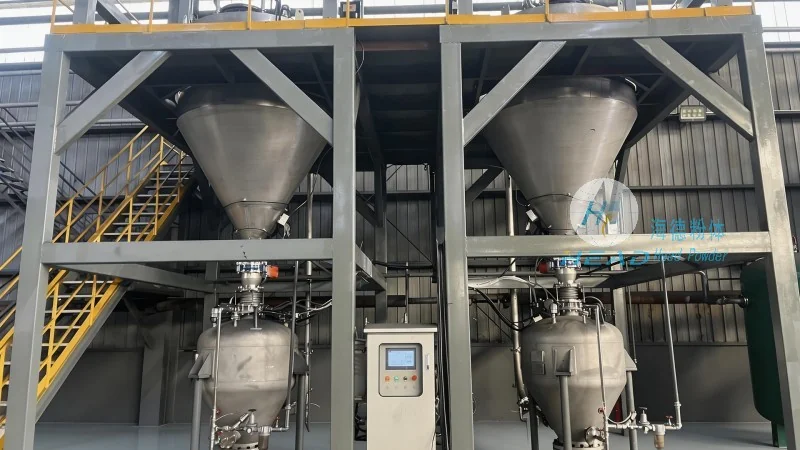
Implementing and Optimizing a Potassium Carbonate Pneumatic Conveying System
Once the design is finalized, the implementation phase involves the installation and commissioning of the system. This includes proper installation of the hopper, feeder, conveying line, and receiver, ensuring all components are correctly aligned and connected. Commissioning involves testing the system under various operating conditions to verify that it meets the performance specifications. If any issues are identified during testing, adjustments are made to the system design or components to optimize performance. Ongoing optimization of the system may involve monitoring key parameters such as pressure, flow rate, and energy consumption, and making adjustments as needed to maintain efficiency. Regular maintenance, including cleaning of the conveying line and replacement of worn parts, is essential to ensure the system continues to operate at peak performance. By following a systematic approach to implementation and optimization, the pneumatic conveying system for potassium carbonate can deliver reliable and efficient material transport for years to come.

 Shandong Headpowder Engineering Co., Ltd.
 156-6277-7102(Quản lý Trương)
  0531-83386006
  Thành phố Tế Nam, Tỉnh Sơn Đông, Trung Quốc
Điện thoại
WeChatTư vấn
Lên đầu