Với hơn 10 năm kinh nghiệm về vận chuyển khí nén, Headpowder Sơn Đông cung cấp hệ thống, thiết bị và quạt gió toàn chuỗi, đảm nhận các dự án kỹ thuật bột trọn gói trên toàn quốc.
When it comes to the efficient and reliable transportation of sodium chloride, a well-designed pneumatic conveying system is crucial. This article will guide you through the key considerations and steps involved in creating an optimal system plan for sodium chloride handling. By understanding the fundamentals of pneumatic conveying technology and the specific requirements of sodium chloride, you can ensure a system that meets operational efficiency, safety standards, and cost-effectiveness.
Key Factors in Pneumatic Conveying System Design for Sodium Chloride
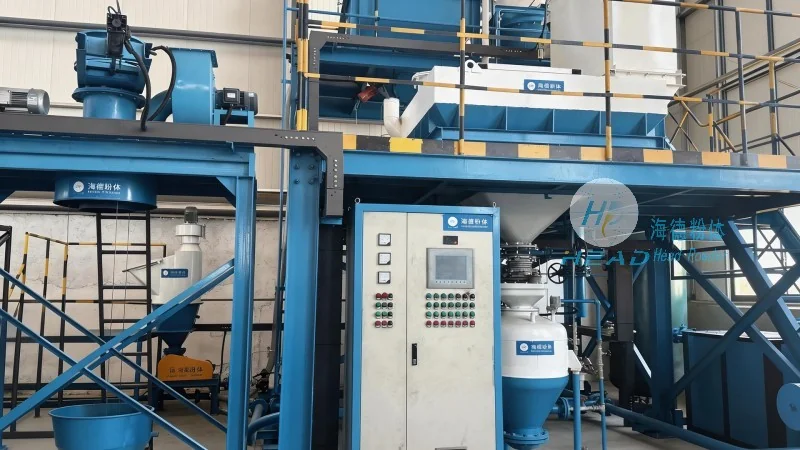
The design of a pneumatic conveying system for sodium chloride must take into account several critical factors to ensure successful operation. First, the physical properties of sodium chloride, such as its particle size, density, and flow characteristics, play a significant role. These properties influence the selection of the appropriate conveying method—whether it's a dilute-phase or dense-phase system—and the necessary equipment like pumps, valves, and filters. Additionally, the system's capacity and the distance over which the material needs to be conveyed are essential parameters. The choice between positive and negative pressure systems also depends on these factors, as it affects the energy consumption and system complexity. Proper consideration of these elements ensures that the system can handle the specific demands of sodium chloride while maintaining optimal performance.
System Components and Their Roles in Sodium Chloride Pneumatic Conveying
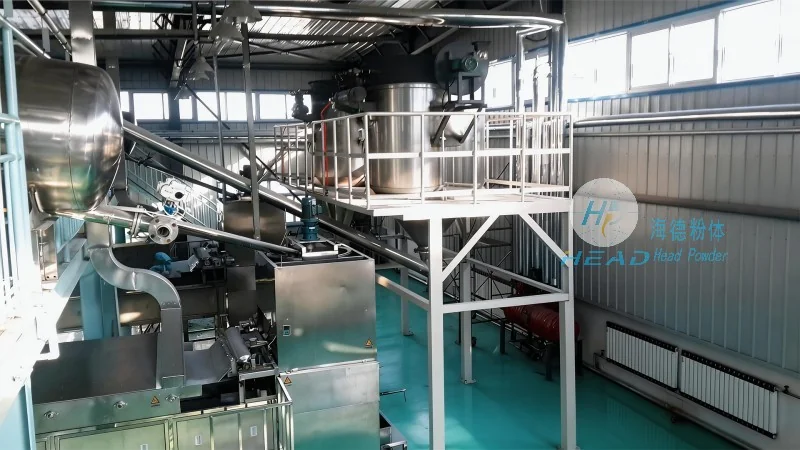
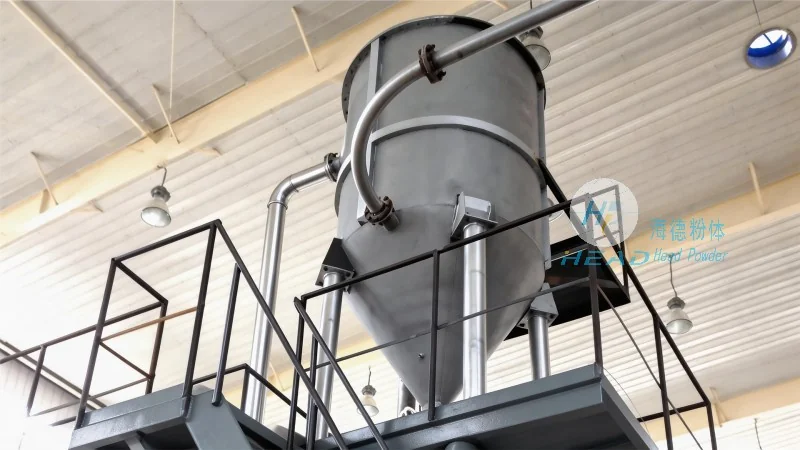
A pneumatic conveying system for sodium chloride typically consists of several key components, each with a specific function. The primary components include the material feed hopper, which holds the sodium chloride and regulates the flow into the system. The feeder, often a rotary valve or a screw feeder, controls the discharge rate to maintain a consistent flow. The conveying line, which can be made of metal or plastic, transports the sodium chloride particles through the system. The air supply system, including the blower or compressor, provides the necessary pressure to move the material. The filter and dust collector are critical for maintaining air quality and preventing material buildup in the system. Finally, the discharge hopper collects the sodium chloride at the end of the conveying line. Each component must be carefully selected and sized to ensure the system operates efficiently and safely, especially when handling sodium chloride, which can be abrasive and require specialized materials to prevent wear and corrosion.
Design Considerations for Safety and Efficiency in Sodium Chloride Conveying
Ensuring safety and efficiency is paramount when designing a pneumatic conveying system for sodium chloride. Safety measures include proper ventilation to prevent dust accumulation, which can lead to explosions or health hazards. The system should also include pressure relief valves and emergency shut-off mechanisms to handle any unexpected issues. Efficiency is achieved through proper sizing of the conveying line, the use of high-efficiency blower systems, and the implementation of flow control devices. Regular maintenance is also essential to keep the system running smoothly and to extend its lifespan. By addressing these design considerations, you can create a system that not only meets the operational needs of sodium chloride handling but also adheres to safety regulations and maintains long-term efficiency.
About Shandong HeadPowder Engineering Co., Ltd.
Shandong HeadPowder Engineering Co., Ltd., commonly known as HeadPowder, is a leading provider of engineering solutions for material handling systems. With a focus on pneumatic conveying technology, the company specializes in designing and manufacturing systems tailored to the specific needs of various industries, including chemical, food, and pharmaceutical sectors. HeadPowder's expertise lies in understanding the unique challenges of materials like sodium chloride and developing customized solutions that enhance productivity and safety. The company's team of experienced engineers and technicians work closely with clients to assess their requirements and deliver systems that meet both current and future operational demands. HeadPowder is committed to providing high-quality, reliable solutions that contribute to the success of its clients' operations.
Contact Information
HeadPowder is located in Shandong, China, and serves clients globally with its advanced pneumatic conveying systems. The company's address is in Shandong, China, and it continues to be a trusted partner for businesses seeking efficient and safe material handling solutions for sodium chloride and other materials.

 Shandong Headpowder Engineering Co., Ltd.
 156-6277-7102(Quản lý Trương)
  0531-83386006
  Thành phố Tế Nam, Tỉnh Sơn Đông, Trung Quốc
Điện thoại
WeChatTư vấn
Lên đầu