Với hơn 10 năm kinh nghiệm về vận chuyển khí nén, Headpowder Sơn Đông cung cấp hệ thống, thiết bị và quạt gió toàn chuỗi, đảm nhận các dự án kỹ thuật bột trọn gói trên toàn quốc.
When it comes to handling yeast in industrial processes, selecting the right conveying method is crucial for efficiency, cost-effectiveness, and product quality. Shandong HeadPowder Engineering Co., Ltd., a leading provider in the field, offers insights into the most common yeast conveying techniques. This article provides a detailed comparison of these methods, helping businesses make informed decisions based on their specific operational needs.
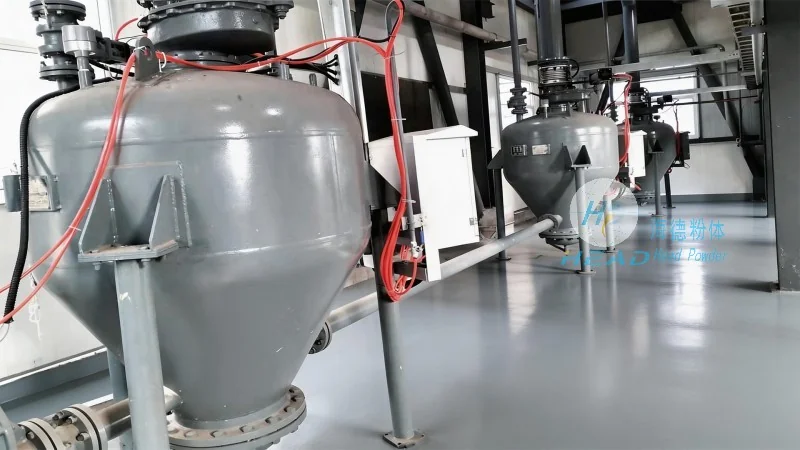
Understanding the Core Requirements for Yeast Conveying
Before diving into specific methods, it's essential to understand the key factors that influence the choice of a conveying system. These include the physical properties of yeast, such as particle size, moisture content, and bulk density, as well as the distance and height the material needs to be transported. Additionally, considerations like hygiene standards, space availability, and the need for minimal product degradation are critical. Shandong HeadPowder Engineering Co., Ltd. emphasizes that a well-designed conveying system must align with these requirements to ensure optimal performance.
Method 1: Positive Displacement Pumps
Positive displacement pumps are widely used for transporting yeast due to their ability to handle viscous or shear-sensitive materials. These pumps, such as rotary lobe or progressing cavity pumps, operate by trapping a fixed volume of material and pushing it forward through the pump's chambers. The result is a consistent flow rate, making them ideal for applications where precise control over yeast delivery is required. Shandong HeadPowder Engineering Co., Ltd. notes that these pumps are particularly effective for conveying yeast in food and beverage industries, where maintaining product integrity is paramount. However, they may require more maintenance and can be less energy-efficient compared to other methods.
Method 2: Air-Pressure (Pneumatic) Conveying
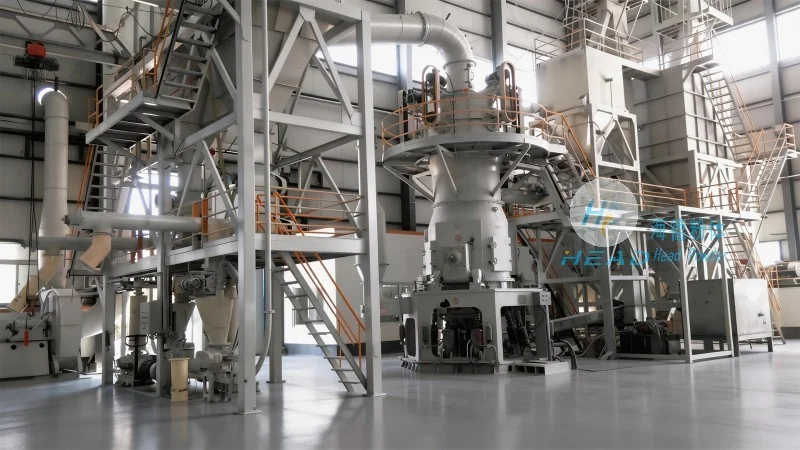
Air-pressure or pneumatic conveying systems use compressed air to move yeast particles through a pipeline. This method is suitable for both low and high-concentration flows and can transport yeast over long distances. There are two main types: dilute-phase and dense-phase conveying. Dilute-phase systems use low air velocity and are efficient for short to medium distances, while dense-phase systems employ higher air pressure and are better for longer distances or when handling fine powders. Shandong HeadPowder Engineering Co., Ltd. highlights that pneumatic conveying offers advantages like simplicity and the ability to integrate with existing air systems. However, it may be less effective for very fine or sticky yeast particles and can be more expensive to install compared to mechanical systems.
Method 3: Screw Conveyors
Screw conveyors, also known as auger conveyors, use a rotating screw to move yeast along a trough. This method is simple, reliable, and can handle a wide range of particle sizes. Screw conveyors are particularly effective for vertical or inclined transport, as the screw's rotation pulls the material upward. Shandong HeadPowder Engineering Co., Ltd. points out that they are well-suited for applications where space is limited or where the yeast needs to be elevated. However, they may not be ideal for very fine or cohesive yeast powders, as these can cause blockages or excessive wear on the screw and trough. Proper maintenance and material selection are essential to prevent these issues.
Method 4: Belt Conveyors
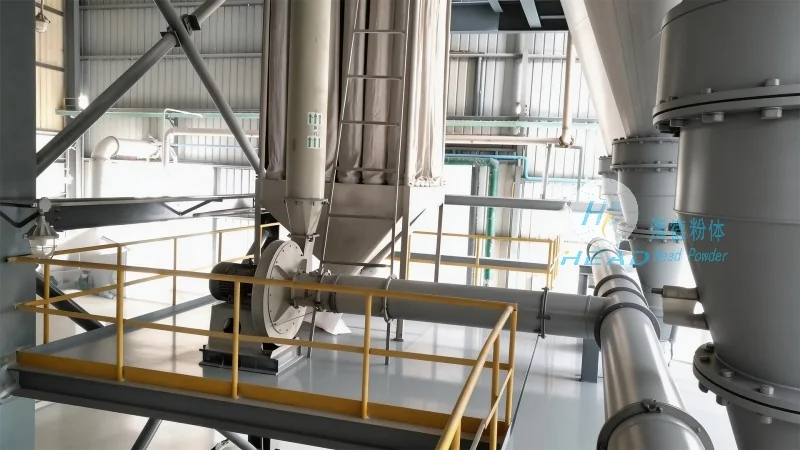
Belt conveyors use a continuous belt to transport yeast horizontally or at a slight incline. This method is commonly used in bulk handling operations and is known for its high capacity and low maintenance. The belt can be made of various materials, such as rubber or PVC, to suit the specific needs of the yeast being conveyed. Shandong HeadPowder Engineering Co., Ltd. notes that belt conveyors are effective for transporting larger quantities of yeast over longer distances and are often used in combination with other equipment, like hoppers or elevators. However, they require a relatively large footprint and may not be suitable for vertical transport or for handling very fine powders, which can cause dust issues.
Choosing the Right Conveying Method for Your Business
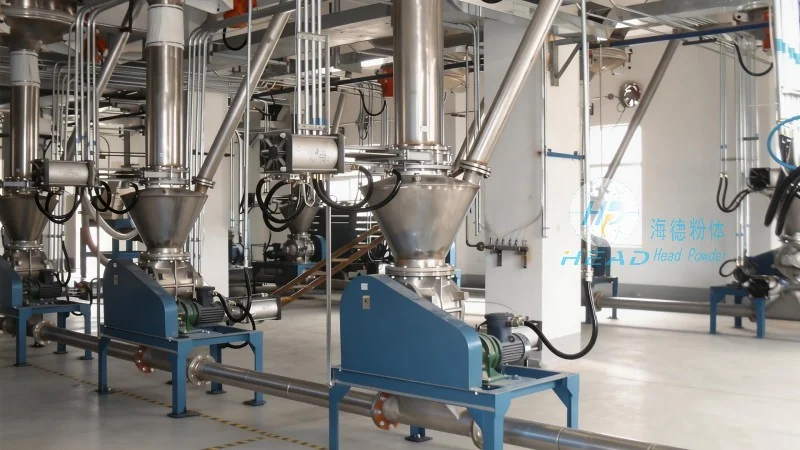
Each conveying method has its strengths and weaknesses, and the best choice depends on the specific characteristics of the yeast and the operational requirements of the facility. Shandong HeadPowder Engineering Co., Ltd. advises that businesses should conduct a thorough analysis of their needs before selecting a system. Factors such as the distance to be covered, the height of the lift, the flow rate required, and the physical properties of the yeast should all be considered. For example, if the yeast is viscous and shear-sensitive, a positive displacement pump might be the best option. If the distance is long and the material is fine, pneumatic conveying could be more effective. Understanding these nuances helps in making a decision that maximizes efficiency and minimizes costs.
Conclusion
In conclusion, the choice of a yeast conveying method is a critical decision that impacts the overall performance of industrial processes. Shandong HeadPowder Engineering Co., Ltd. provides expertise and solutions tailored to the unique needs of each client. By considering factors like material properties, distance, and operational requirements, businesses can select the most suitable conveying system. Whether it's a positive displacement pump, pneumatic system, screw conveyor, or belt conveyor, the goal is to ensure efficient, reliable, and cost-effective transport of yeast, ultimately contributing to the success of the production process.

 Shandong Headpowder Engineering Co., Ltd.
 156-6277-7102(Quản lý Trương)
  0531-83386006
  Thành phố Tế Nam, Tỉnh Sơn Đông, Trung Quốc
Điện thoại
WeChatTư vấn
Lên đầu