Với hơn 10 năm kinh nghiệm về vận chuyển khí nén, Headpowder Sơn Đông cung cấp hệ thống, thiết bị và quạt gió toàn chuỗi, đảm nhận các dự án kỹ thuật bột trọn gói trên toàn quốc.
When it comes to the transportation of manganese sulfate, selecting the right method is crucial for ensuring product integrity, safety, and efficiency. Manganese sulfate is widely used in various industries, including agriculture, water treatment, and chemical manufacturing, making reliable transport solutions essential for businesses that rely on this chemical. In this article, we explore the common methods of transporting manganese sulfate, highlighting the key considerations and applications for each approach.
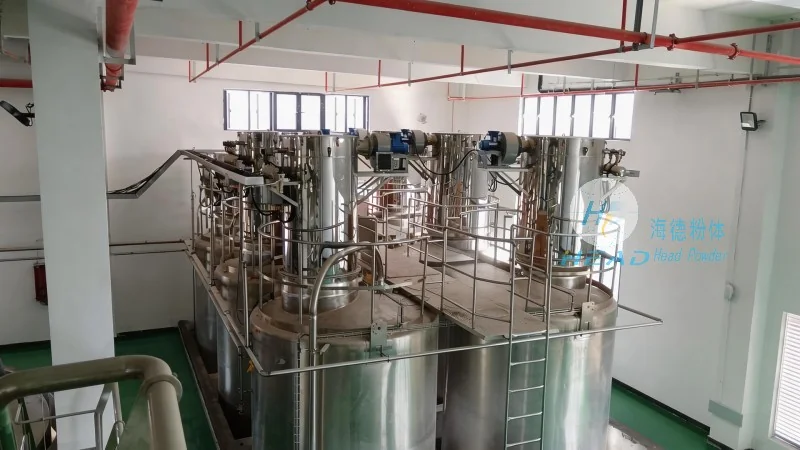
Overview of Manganese Sulfate Transportation
Manganese sulfate, with the chemical formula MnSO₄, is a water-soluble compound that is often transported in bulk or packaged forms. The choice of transportation method depends on factors such as the quantity needed, the destination, the required delivery speed, and the environmental regulations in the region. Common transportation methods include bulk transport via pipelines, road transport using tank trucks, and packaged transport in containers or bags. Each method has its own advantages and limitations, which we will discuss in detail below.
Bulk Pipeline Transportation
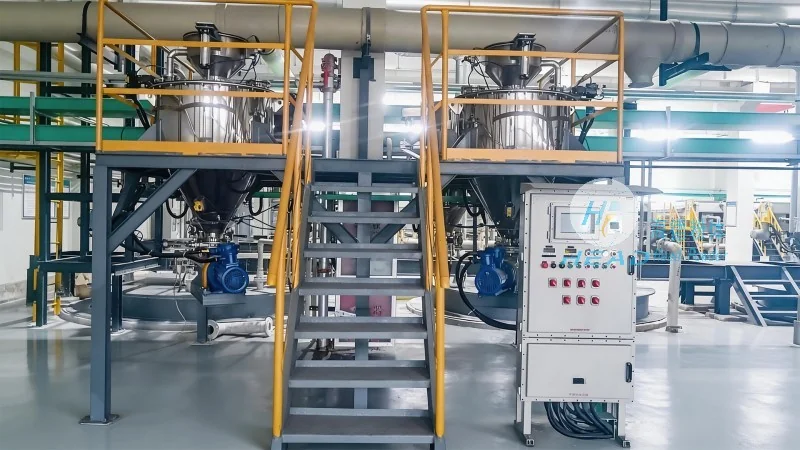
For large-scale industrial applications, bulk pipeline transportation is a highly efficient method for moving manganese sulfate. This approach involves pumping the liquid form of manganese sulfate through a network of pipelines to the destination. The advantages of pipeline transport include continuous operation, reduced labor costs, and minimal product loss during transit. It is particularly suitable for companies that require a steady supply of manganese sulfate for continuous production processes. However, this method requires significant infrastructure investment, including pipelines, pumping stations, and storage tanks. The initial setup costs can be high, but the long-term operational benefits often outweigh the expenses. Additionally, pipeline transport is most effective when the destination is located near the production facility or when the chemical is needed for ongoing industrial processes.
Road Tank Truck Transportation
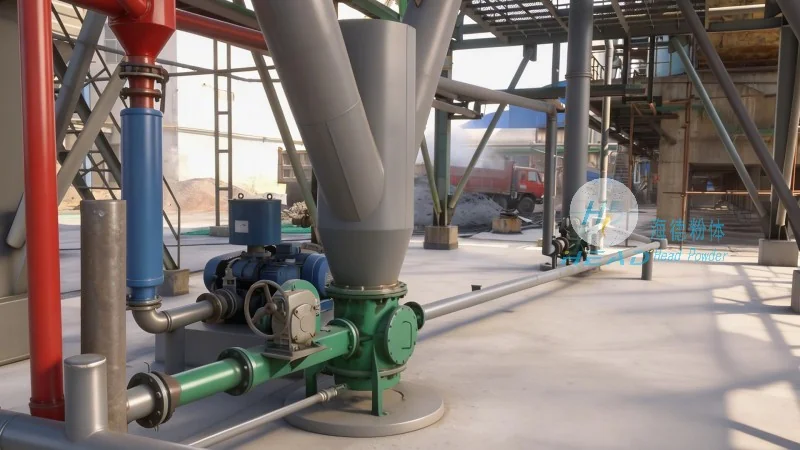
For medium to large quantities of manganese sulfate, road tank trucks are a popular choice for transportation. These specialized vehicles are equipped with insulated tanks to maintain the temperature and prevent contamination of the product. Road transport offers flexibility in terms of delivery location, as trucks can reach remote or urban areas. It is suitable for both bulk and packaged loads, with the ability to carry liquid or solid forms of manganese sulfate. The main advantages of road tank truck transport include shorter lead times compared to other methods, such as rail or sea transport, and the ability to make deliveries directly to the customer's site. This method is particularly useful for time-sensitive orders or when the destination is not easily accessible by other means. However, road transport may be less cost-effective for very large quantities or long-distance shipments due to fuel costs and driver regulations. Additionally, there are safety considerations, such as proper handling of the chemical to prevent spills or leaks, which require trained personnel and appropriate safety equipment.
Packaged Transportation
For smaller quantities or when the destination is not accessible by bulk transport methods, packaged transportation is a common approach. Manganese sulfate can be packaged in various containers, including plastic drums, metal drums, or multiwall paper sacks. The packaging material is chosen based on the chemical's properties, such as its solubility and potential for corrosion. Plastic drums are often used for liquid forms, as they are lightweight and resistant to rust. Metal drums are suitable for both liquid and solid forms, providing durability and protection against environmental factors. Multiwall paper sacks are commonly used for solid forms, offering a cost-effective solution for smaller orders. The packaging must meet safety standards to prevent leaks or contamination during transit. For example, drums may be sealed with tight-fitting lids and secured with straps to prevent damage during handling. Sacks are typically made from breathable materials to allow for air circulation and prevent moisture buildup. The choice of packaging also affects the storage and handling requirements at the destination, as different containers may need specific equipment for unloading and processing.
Factors Influencing the Choice of Transportation Method
Several factors influence the selection of the most appropriate transportation method for manganese sulfate. The first consideration is the quantity of the chemical being transported. Bulk methods, such as pipelines or tank trucks, are more economical for large volumes, while packaged transport is better suited for smaller quantities. The distance to the destination is another critical factor. For short distances, road transport may be the most efficient option, whereas for long distances, rail or sea transport might be considered, though these are less common for manganese sulfate due to its relatively low density and the need for specialized handling. The urgency of the delivery is also important. Time-sensitive orders may require faster methods, such as road transport or even air freight, although air freight is rarely used for bulk chemicals due to high costs and limited capacity. Environmental regulations and safety standards must also be considered. Different regions have specific rules regarding the transport of hazardous materials, and companies must ensure compliance with these regulations to avoid penalties or delays. For example, some areas may require additional safety measures, such as spill containment systems or emergency response plans, for transporting manganese sulfate. The availability of infrastructure is another factor. If a company has its own pipeline network, bulk transport may be the most practical option. Otherwise, road or packaged transport may be necessary. The cost of transportation is a significant consideration for many businesses. Bulk methods are generally more cost-effective for large volumes, while packaged transport may be more expensive for small orders due to the higher cost of packaging and handling. However, the total cost of transport should be evaluated alongside other factors, such as the cost of storage and handling at the destination.
Conclusion
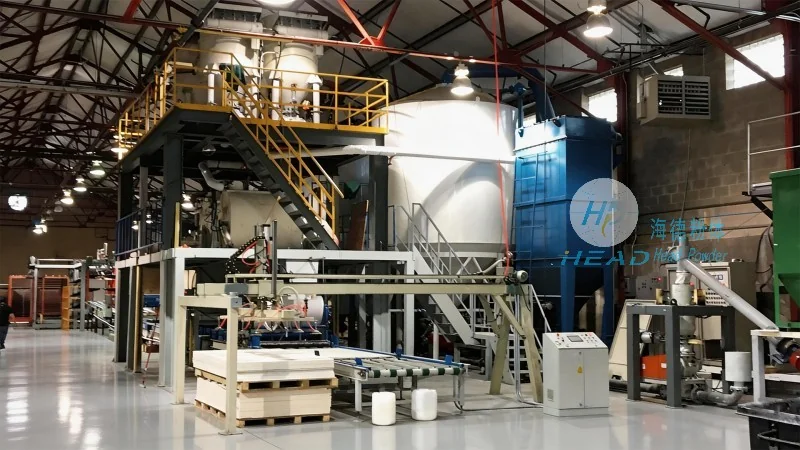
In conclusion, the choice of transportation method for manganese sulfate depends on a variety of factors, including the quantity, destination, delivery speed, and environmental regulations. Bulk pipeline transport is ideal for large-scale industrial applications, offering efficiency and cost-effectiveness. Road tank truck transport provides flexibility and shorter lead times, making it suitable for medium to large quantities. Packaged transport is a practical solution for smaller quantities or when bulk methods are not feasible. By considering these factors and selecting the appropriate method, businesses can ensure the safe and efficient delivery of manganese sulfate to their customers. As a leading supplier of manganese sulfate and related products, Shandong HeadPowder Engineering Co., Ltd. understands the importance of reliable transportation and works to provide customers with the best possible solutions tailored to their specific needs. With a commitment to quality and customer satisfaction, HeadPowder ensures that manganese sulfate is transported in a manner that meets the highest standards of safety and efficiency.

 Shandong Headpowder Engineering Co., Ltd.
 156-6277-7102(Quản lý Trương)
  0531-83386006
  Thành phố Tế Nam, Tỉnh Sơn Đông, Trung Quốc
Điện thoại
WeChatTư vấn
Lên đầu