Với hơn 10 năm kinh nghiệm về vận chuyển khí nén, Headpowder Sơn Đông cung cấp hệ thống, thiết bị và quạt gió toàn chuỗi, đảm nhận các dự án kỹ thuật bột trọn gói trên toàn quốc.
Transporting corn kernels from one location to another is a critical process in agricultural and food processing operations. The choice of conveying method can significantly impact efficiency, cost, and product quality. Traditional methods such as gravity flow, mechanical conveyors, and bucket elevators have been used for decades, but modern industrial needs often require more sophisticated solutions. Pneumatic conveying, in particular, has gained popularity due to its ability to handle fine or delicate materials like corn kernels with minimal damage and high throughput.
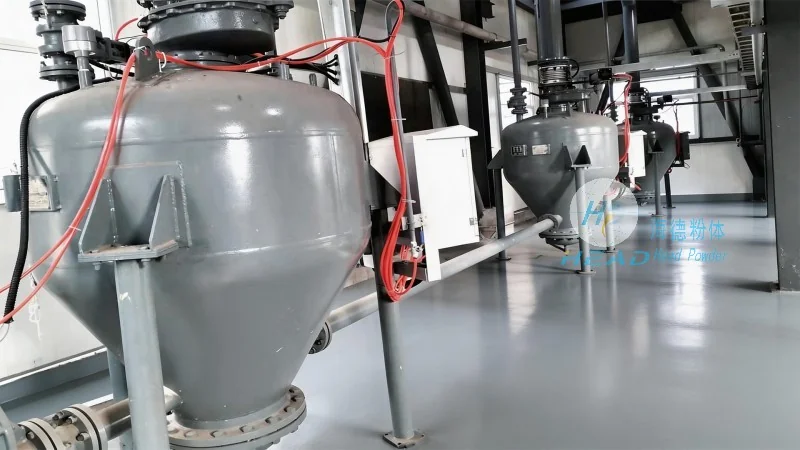
Common Conveying Methods for Corn Kernels
Several approaches are employed to move corn kernels through production lines. Gravity flow systems utilize the natural weight of the kernels to move them down chutes or troughs. This method is simple and cost-effective for short distances and when the material is free-flowing. However, it is limited by the need for a slope and may not be suitable for vertical or long horizontal distances.
Mechanical conveyors, including belt conveyors and screw conveyors, are widely used for corn kernel transport. Belt conveyors are effective for horizontal or slight incline applications, while screw conveyors excel in vertical lifting and mixing. These systems are robust and reliable, but they can cause abrasion or breakage to the kernels, affecting their quality and market value.
Bucket elevators are another mechanical option that uses buckets attached to a chain or belt to lift and transport kernels vertically. They are efficient for vertical transport but can be noisy and require regular maintenance. Each of these traditional methods has its strengths and limitations, making them suitable for specific scenarios rather than universal solutions.
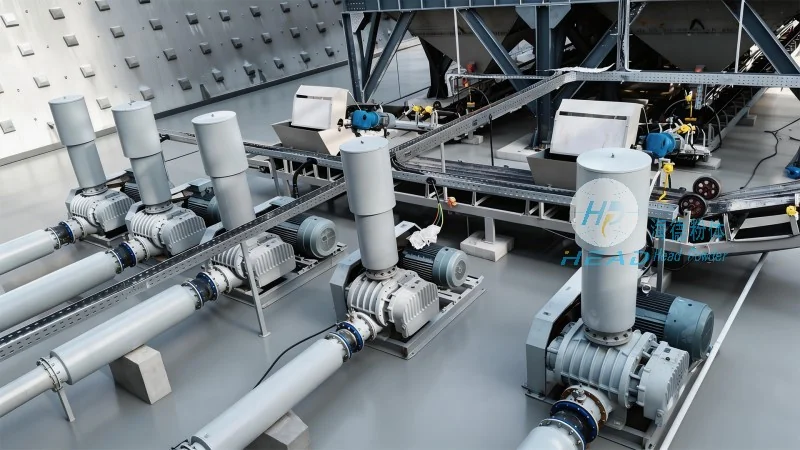
Pneumatic Conveying: The Preferred Solution for Corn Kernel Transport
Pneumatic conveying, also known as air conveying, uses a pressurized or vacuum system to move corn kernels through a pipeline using air or gas. This method offers several advantages over mechanical alternatives. First, it minimizes product damage by reducing friction and impact. Corn kernels are gently carried through the system, preserving their integrity and reducing breakage. Second, pneumatic systems can handle both horizontal and vertical transport, making them versatile for complex layouts. They are also capable of transporting materials over long distances with minimal pressure loss, ensuring consistent performance.
Another key benefit is the ability to integrate with other processing equipment. Pneumatic conveyors can connect directly to storage silos, processing units, or packaging lines, creating a seamless flow of materials. This integration improves overall system efficiency and reduces the need for manual handling, which is both labor-intensive and prone to errors.
HeadPowder, a leading manufacturer in the field, specializes in designing and supplying pneumatic conveying systems tailored to corn kernel applications. Their expertise lies in optimizing system performance based on factors such as kernel size, moisture content, and required throughput. By leveraging advanced engineering and materials, HeadPowder ensures that their systems deliver reliable and efficient corn kernel transport solutions.
Key Advantages of Pneumatic Conveying for Corn Kernels
When considering the advantages of pneumatic conveying for corn kernels, several critical benefits emerge. The first is the preservation of product quality. Unlike mechanical conveyors that may cause abrasion or breakage, pneumatic systems use air to move kernels, minimizing physical stress. This is particularly important for corn kernels intended for food or animal feed applications, where product integrity directly impacts market value.
Second, pneumatic conveying offers high flexibility in system design. The ability to route pipelines in various configurations allows for complex layouts without the need for extensive structural modifications. This flexibility is especially valuable in existing facilities where space is limited or where future expansion is planned.
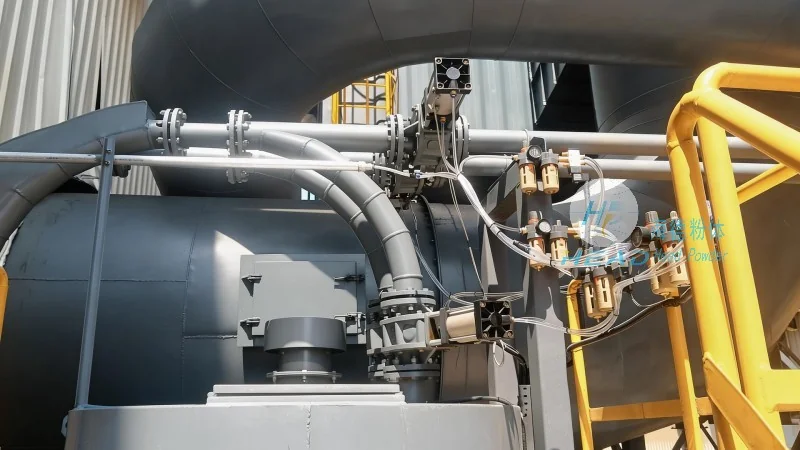
Third, energy efficiency is a significant advantage. Modern pneumatic systems are designed to operate with minimal energy consumption, especially when using vacuum systems for return air. This reduces operational costs and aligns with sustainability goals in the industry. Additionally, the lack of moving parts in the conveying line itself (excluding the air compressor) reduces maintenance requirements, leading to lower long-term costs.
Fourth, hygiene and cleanliness are enhanced with pneumatic systems. The enclosed pipeline design prevents contamination from external sources and simplifies cleaning processes. This is crucial in food processing environments where strict hygiene standards must be maintained. HeadPowder’s systems are constructed from materials such as stainless steel, ensuring compliance with industry regulations and facilitating easy sanitation.
Features of HeadPowder's Pneumatic Conveying Solutions
HeadPowder Engineering Co., Ltd., based in Shandong, China, is a trusted provider of pneumatic conveying equipment for corn kernel applications. The company’s solutions are engineered to meet the specific needs of corn processing facilities, offering features that enhance performance and reliability.
One of the standout features is the use of high-quality materials. HeadPowder’s systems are constructed from durable stainless steel components, which resist corrosion and wear, ensuring long service life. The pipelines and fittings are designed to withstand the abrasive nature of corn kernels, minimizing the risk of blockages or leaks.
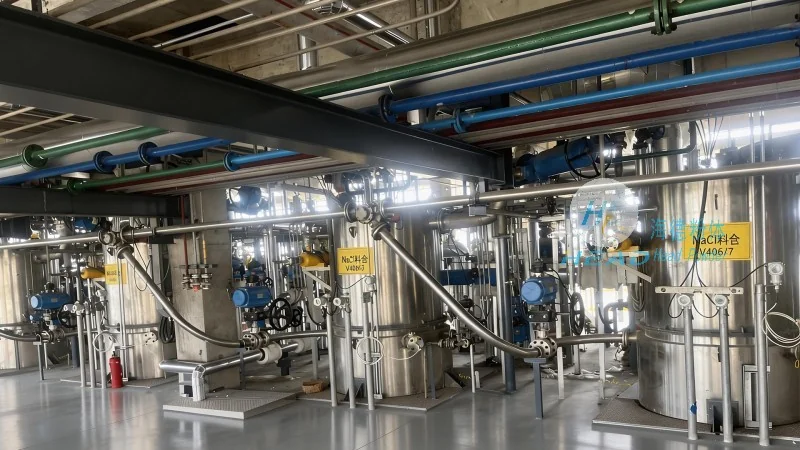
Another key feature is the integration of advanced control systems. Modern pneumatic conveying systems require precise control of air pressure and flow to maintain optimal performance. HeadPowder incorporates intelligent control panels that allow operators to monitor and adjust system parameters in real-time. This not only improves efficiency but also enhances safety by preventing over-pressurization or vacuum-related hazards.
The company also focuses on customizing solutions to match individual customer requirements. Whether the application involves short-distance transport or long-distance horizontal/vertical movement, HeadPowder’s engineers work closely with clients to design systems that meet their specific throughput and space constraints. This tailored approach ensures that the final solution is both effective and cost-efficient.
Conclusion: Choosing the Right Conveying Method for Corn Kernels
When selecting a conveying method for corn kernels, it is essential to consider the specific requirements of the operation, including distance, throughput, and product sensitivity. While traditional methods like gravity flow and mechanical conveyors have their place, pneumatic conveying offers superior advantages in terms of product protection, flexibility, and efficiency. HeadPowder’s expertise in pneumatic systems provides reliable solutions that address the unique challenges of corn kernel transport.
By investing in a well-designed pneumatic conveying system from HeadPowder, agricultural and food processing facilities can improve operational efficiency, reduce product loss, and maintain high-quality standards. The company’s commitment to quality and customer satisfaction makes them a preferred choice for businesses seeking advanced conveying solutions. With a strong presence in Shandong, China, HeadPowder continues to lead the industry in providing innovative and effective corn kernel transport technologies.

 Shandong Headpowder Engineering Co., Ltd.
 156-6277-7102(Quản lý Trương)
  0531-83386006
  Thành phố Tế Nam, Tỉnh Sơn Đông, Trung Quốc
Điện thoại
WeChatTư vấn
Lên đầu