Với hơn 10 năm kinh nghiệm về vận chuyển khí nén, Headpowder Sơn Đông cung cấp hệ thống, thiết bị và quạt gió toàn chuỗi, đảm nhận các dự án kỹ thuật bột trọn gói trên toàn quốc.
Artificial graphite, a synthetic material derived from carbon, is widely used in various industrial applications due to its excellent electrical conductivity, thermal stability, and chemical resistance. The efficient and reliable conveyance of artificial graphite is crucial for maintaining production efficiency and product quality in manufacturing processes. There are several methods available for transporting artificial graphite, each with its own advantages and specific applications.
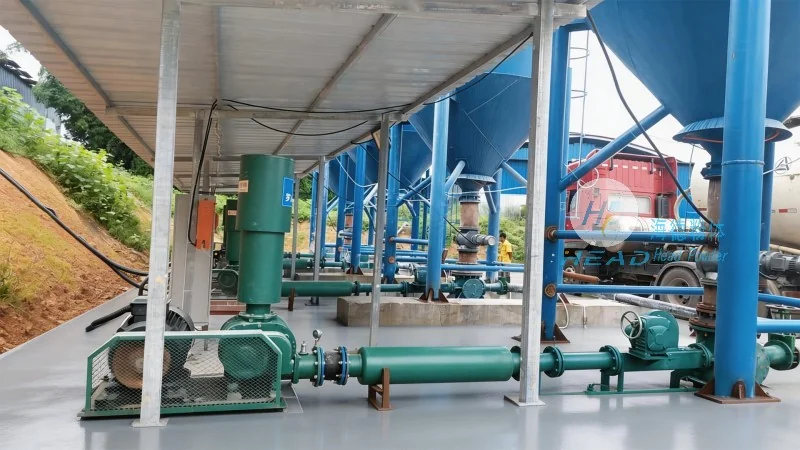
Common Conveyance Methods for Artificial Graphite
When it comes to moving artificial graphite, industrial facilities often rely on a combination of mechanical and pneumatic systems. The choice of method depends on factors such as the material's bulk density, particle size, required throughput, and the distance over which it needs to be transported. Below are some of the most common approaches used in the industry.
1. Mechanical Conveyors: Traditional Solutions for Bulk Material Handling
Mechanical conveyors are among the most widely used methods for artificial graphite transport. These systems utilize mechanical components to move the material from one location to another. The primary types include belt conveyors, screw conveyors, and bucket elevators. Belt conveyors are particularly effective for long-distance horizontal or slight incline transport, capable of handling large volumes of graphite with minimal maintenance. Screw conveyors, also known as auger conveyors, are ideal for vertical or inclined transport, as they can lift the material while moving it forward. These mechanical systems are generally robust and cost-effective, making them suitable for many industrial settings.
2. Pneumatic Conveying Systems: Efficient for Fine and Dusty Materials
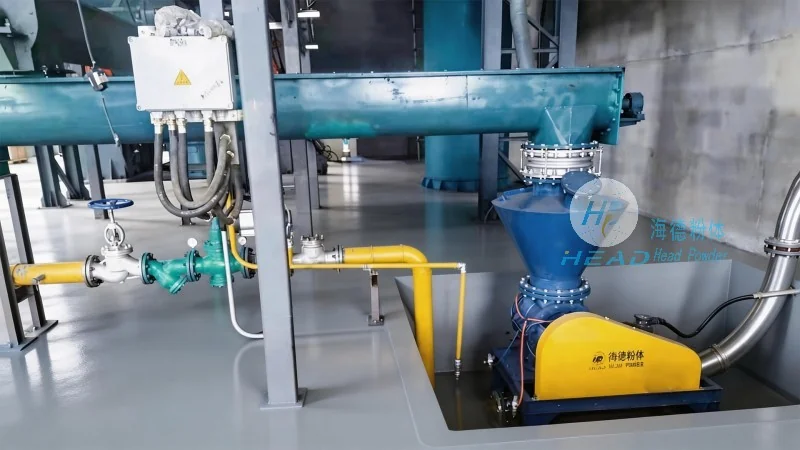
Pneumatic conveying, or air-powered transport, is another popular method for artificial graphite, especially when dealing with fine powders or dust. This technique involves using compressed air to move the material through a pipeline. There are two main types: dilute-phase and dense-phase pneumatic systems. Dilute-phase systems are suitable for low to medium bulk densities and longer distances, while dense-phase systems are better for high-density materials and shorter distances, ensuring minimal material degradation. Pneumatic conveyors offer advantages such as enclosed transport, which reduces dust emissions and improves safety. However, they require more energy and may be less efficient for very large volumes compared to other methods.
3. Vacuum Conveying: Gentle Handling for Sensitive Materials
Vacuum conveying is a specialized form of pneumatic transport that uses a vacuum to draw the material into a system. This method is often preferred for handling fine or delicate materials like artificial graphite, as it provides gentle and low-impact movement. Vacuum systems are effective for short to medium distances and can handle materials with varying particle sizes. They are particularly useful in applications where contamination control is critical, as the material remains enclosed throughout the process. However, vacuum conveyors may have lower throughput compared to other methods and require careful maintenance to prevent air leaks.
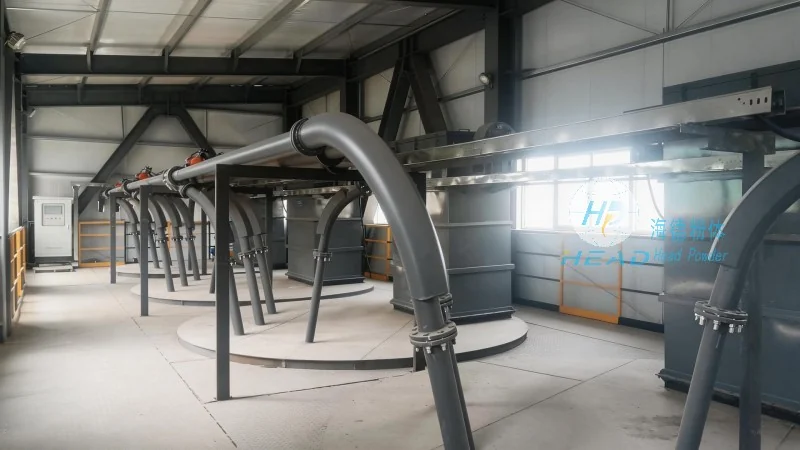
4. Hydraulic Conveying: High-Pressure Solutions for Heavy-Duty Applications
Hydraulic conveying systems use high-pressure fluid to transport artificial graphite, typically in a slurry form. This method is suitable for high-volume, heavy-duty applications where mechanical or pneumatic systems may not be sufficient. Hydraulic conveyors can handle large quantities of material over long distances with high efficiency. They are often used in mining and processing industries where the material is mixed with water or other fluids to create a slurry. The main advantage of hydraulic systems is their ability to handle abrasive materials without significant wear on components. However, they require specialized equipment and regular maintenance to ensure optimal performance.
HeadPowder's Expertise in Artificial Graphite Conveyance Solutions
Shandong HeadPowder Engineering Co., Ltd., commonly known as HeadPowder, is a leading provider of specialized equipment and solutions for the artificial graphite industry. With years of experience and a deep understanding of material handling challenges, HeadPowder offers tailored conveyance systems that meet the specific needs of clients. The company's expertise lies in designing and manufacturing equipment that ensures efficient, safe, and reliable transport of artificial graphite, whether through mechanical, pneumatic, or other methods. HeadPowder's team of engineers works closely with clients to assess their operational requirements, material characteristics, and budget constraints to develop customized solutions. By leveraging advanced technology and robust manufacturing processes, HeadPowder delivers conveyance systems that enhance productivity, reduce downtime, and maintain product integrity. The company's commitment to quality and customer satisfaction has made it a trusted partner for businesses in the artificial graphite sector.
Choosing the Right Conveyance Method for Artificial Graphite
Selecting the appropriate conveyance method for artificial graphite requires careful consideration of several factors. The material's properties, such as particle size, bulk density, and moisture content, play a significant role in determining the most effective system. Additionally, the distance to be covered, required throughput, and environmental regulations must be taken into account. Mechanical conveyors are often the first choice for bulk, non-dusty materials due to their simplicity and cost-effectiveness. Pneumatic and vacuum systems are preferred for fine powders or when dust control is essential. Hydraulic systems are ideal for high-volume, heavy-duty applications. By evaluating these factors and consulting with experts like HeadPowder, industrial facilities can select the most suitable conveyance method to optimize their operations and ensure the consistent quality of artificial graphite products.

 Shandong Headpowder Engineering Co., Ltd.
 156-6277-7102(Quản lý Trương)
  0531-83386006
  Thành phố Tế Nam, Tỉnh Sơn Đông, Trung Quốc
Điện thoại
WeChatTư vấn
Lên đầu