Với hơn 10 năm kinh nghiệm về vận chuyển khí nén, Headpowder Sơn Đông cung cấp hệ thống, thiết bị và quạt gió toàn chuỗi, đảm nhận các dự án kỹ thuật bột trọn gói trên toàn quốc.
When it comes to transporting kaolin, selecting the right method is crucial for efficiency, cost-effectiveness, and product quality. Kaolin, a key industrial mineral, is used in various applications such as paper coating, ceramics, and cosmetics. The choice of transport method depends on factors like the material's properties, distance, and the scale of operation. In this article, we will explore common kaolin transport methods, analyzing their advantages and disadvantages to help industrial users make informed decisions.
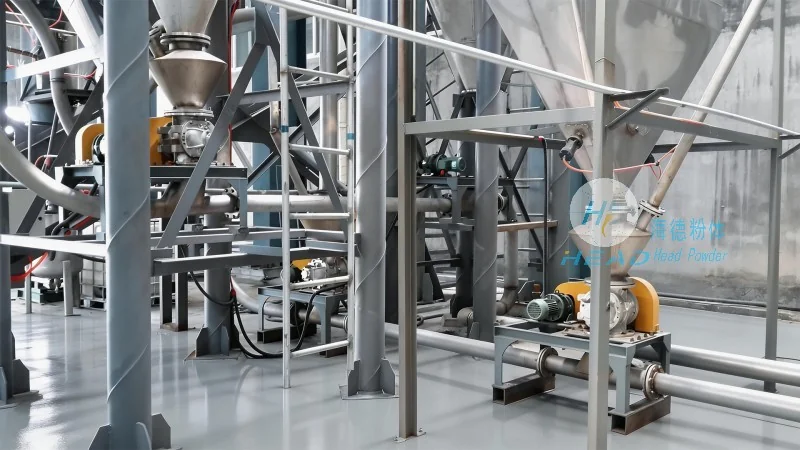
1. Pipeline Transport (Pneumatic Conveying)
Pipeline transport, also known as pneumatic conveying, is a popular method for transporting dry powders like kaolin. This system uses air pressure to move the material through a pipeline. The advantages of this method include high transport speed, ability to handle fine powders without segregation, and minimal product contamination. It is particularly suitable for long-distance transport and can be integrated with processing equipment. However, the disadvantages include higher energy consumption due to the need for compressed air, potential for material degradation if the system is not properly maintained, and the requirement for specialized equipment and skilled operators. The cost of installation and maintenance can also be significant, making it less viable for small-scale operations.
2. Belt Conveyor Transport
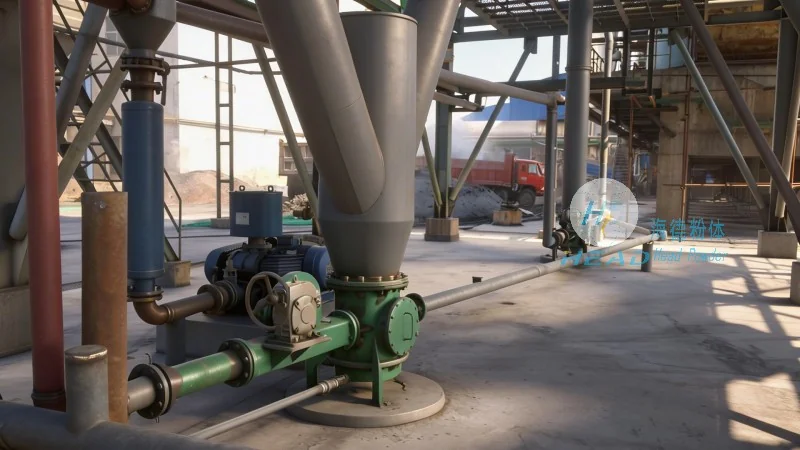
Belt conveyors are widely used in bulk material handling, including kaolin. This method involves moving the material on a continuous belt, which is ideal for transporting large quantities over short to medium distances. The advantages of belt conveyors include high capacity, low maintenance costs, and the ability to handle a wide range of particle sizes. They are also suitable for both horizontal and inclined transport, making them versatile for different plant layouts. However, the disadvantages include the risk of material spillage and belt wear, which can lead to product loss and increased maintenance. Belt conveyors are not suitable for very fine powders as they may cause dust accumulation and belt damage. Additionally, the initial investment for a large-scale belt conveyor system can be high.
3. Screw Conveyor Transport
Screw conveyors use a rotating screw to move kaolin through a tube or trough. This method is commonly used for horizontal or slightly inclined transport of bulk materials. The advantages of screw conveyors include compact design, low power consumption, and the ability to handle sticky or cohesive materials. They are also relatively simple to install and maintain. However, the disadvantages include the risk of material bridging or blockage, especially with fine powders, which can cause system downtime. Screw conveyors are not suitable for very high capacities or long distances, as the material may degrade due to friction and heat. The wear on the screw and trough can also be significant, leading to higher replacement costs over time.
4. Hydraulic Transport
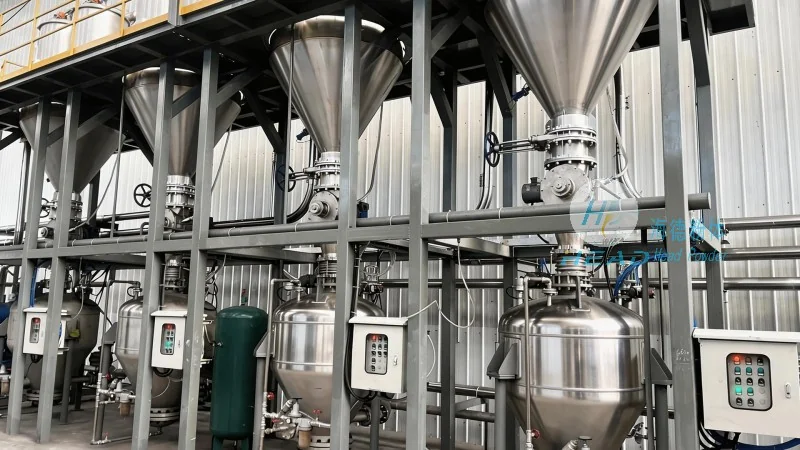
Hydraulic transport involves using water or a slurry to move kaolin through pipelines. This method is particularly effective for transporting wet or slurry-based kaolin, often used in mining and processing operations. The advantages of hydraulic transport include the ability to handle wet or sticky materials, reduced dust generation, and the potential for long-distance transport with minimal energy use. However, the disadvantages include higher water consumption, the need for treatment and disposal of the slurry, and the risk of clogging in the pipelines. The system also requires additional equipment for slurry preparation and separation, increasing complexity and cost. Hydraulic transport is not suitable for dry kaolin as it may cause moisture-related issues in downstream processes.
About HeadPowder Engineering
HeadPowder, or Shandong HeadPowder Engineering Co., Ltd., is a leading provider of industrial mineral processing solutions. With a focus on innovation and quality, the company specializes in equipment and systems for kaolin and other mineral transport and processing. HeadPowder's expertise in material handling ensures that clients receive tailored solutions that meet their specific operational needs. The company's commitment to customer satisfaction and technical excellence has made it a trusted partner in the industrial minerals sector. Located in Shandong, China, HeadPowder leverages local resources and expertise to deliver efficient and reliable transport solutions for kaolin and other materials.

 Shandong Headpowder Engineering Co., Ltd.
 156-6277-7102(Quản lý Trương)
  0531-83386006
  Thành phố Tế Nam, Tỉnh Sơn Đông, Trung Quốc
Điện thoại
WeChatTư vấn
Lên đầu