Với hơn 10 năm kinh nghiệm về vận chuyển khí nén, Headpowder Sơn Đông cung cấp hệ thống, thiết bị và quạt gió toàn chuỗi, đảm nhận các dự án kỹ thuật bột trọn gói trên toàn quốc.
Carbon additive powder pneumatic conveying represents a cutting-edge approach to material handling, particularly for carbon additive powders used in various industrial applications. This method leverages air as the primary transport medium to move powders from one location to another, offering significant advantages over traditional mechanical conveying systems. The process involves generating a flow of air within a pipeline, which then carries the carbon additive powder particles through the system. By utilizing this pneumatic transport mechanism, industries can achieve enhanced efficiency, reduced operational costs, and improved environmental performance.
Key Advantages of Pneumatic Conveying for Carbon Additives
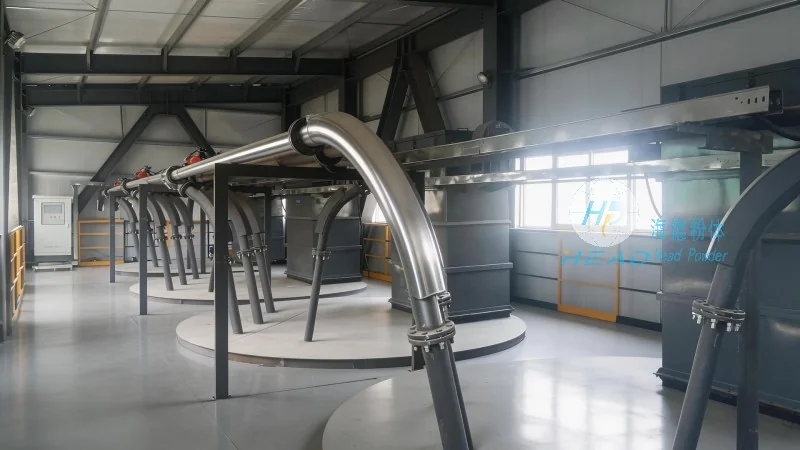
One of the most notable benefits of pneumatic conveying for carbon additive powders is its efficiency in material transport. Unlike traditional methods that rely on belts, buckets, or screw conveyors, pneumatic systems can handle fine powders with minimal degradation and loss. This is crucial for carbon additives, which often require precise control over particle size and distribution. The system ensures that the powder remains intact during transit, maintaining its quality and performance characteristics. Additionally, pneumatic conveying minimizes the need for manual handling, reducing labor costs and the risk of contamination. The environmental benefits are also substantial, as it eliminates the need for dust collection systems commonly associated with mechanical conveying, thus lowering emissions and improving workplace safety.
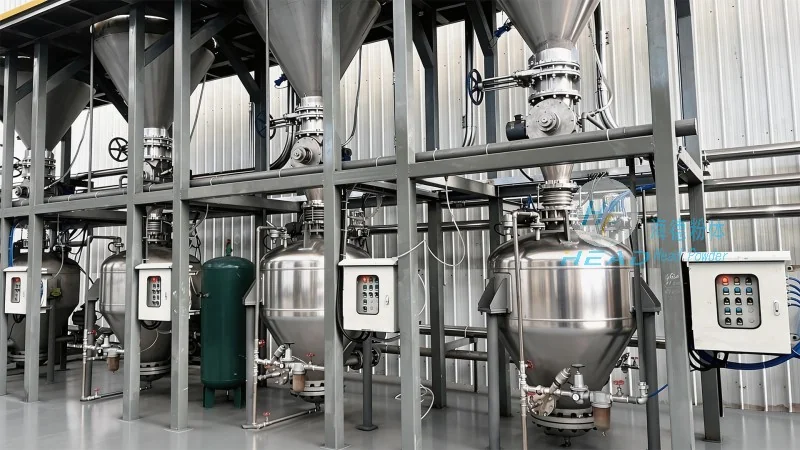
How Pneumatic Conveying Works in Practice
The operation of a pneumatic conveying system for carbon additive powders typically involves several key components. These include a hopper for storing the powder, a feeder to control the flow rate, a compressor to generate the air pressure, and a pipeline network to transport the material. The process begins with the powder being fed into the system, where it is mixed with the air stream. The air pressure creates a flow that propels the powder particles through the pipeline to the destination, such as a storage silo or processing unit. The system can be designed as either a positive or negative pressure system, depending on the specific application and material characteristics. Positive pressure systems push the air and powder mixture through the pipeline, while negative pressure systems draw the material using a vacuum. For carbon additives, a positive pressure system is often preferred due to its ability to handle fine powders and maintain consistent flow rates.
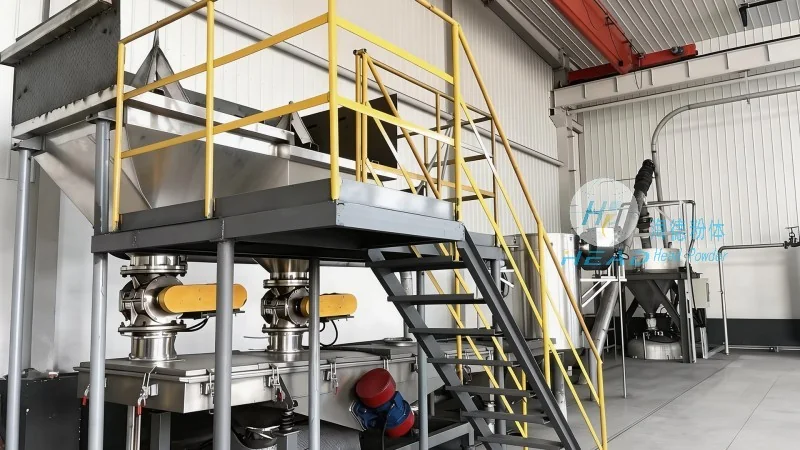
Environmental and Sustainability Benefits
From an environmental perspective, pneumatic conveying offers significant advantages over traditional conveying methods. By eliminating the need for dust collection equipment, the system reduces air pollution and improves overall air quality in industrial settings. This is particularly important for carbon additive powders, which can be fine and potentially hazardous if not handled properly. The reduced emissions also contribute to a lower carbon footprint, aligning with modern sustainability goals. Furthermore, the energy efficiency of pneumatic systems is higher compared to mechanical conveyors, as they use less power to transport the same amount of material. This translates into lower operational costs and reduced energy consumption over time. The system's ability to handle powders without generating excessive dust also minimizes the need for cleaning and maintenance, further enhancing its environmental performance.
Applications in the Carbon Additive Industry
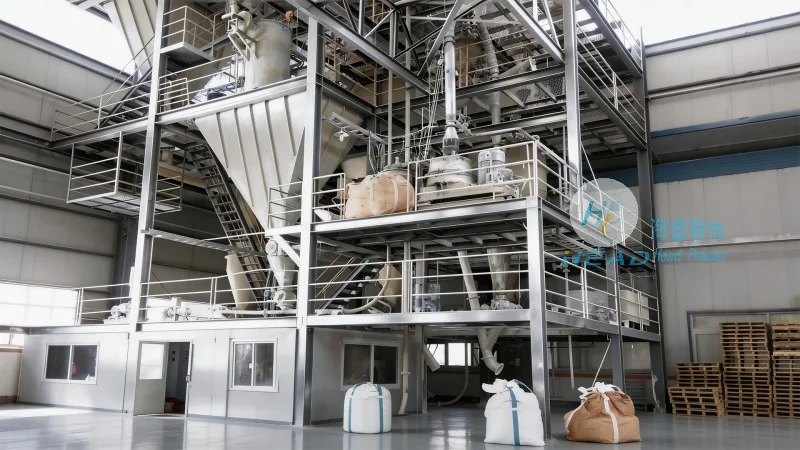
Carbon additive powders are widely used in various industries, including steelmaking, foundries, and battery manufacturing. Pneumatic conveying is particularly well-suited for these applications due to the need to transport fine powders over short to medium distances. In steelmaking, carbon additives are used to adjust the carbon content in molten steel, and pneumatic systems ensure that the powder is delivered accurately and without contamination. In foundries, the powder is used to improve the properties of castings, and the efficient transport ensures consistent quality. In battery manufacturing, carbon additives enhance the conductivity of electrodes, and the precise delivery via pneumatic systems is critical for product performance. The versatility of pneumatic conveying allows it to be adapted to different production scales, from small-scale laboratory applications to large industrial plants.
Company Overview: Shandong HeadPowder Engineering Co., Ltd.
Shandong HeadPowder Engineering Co., Ltd., operating under the brand name headpowder, specializes in providing advanced material handling solutions for carbon additive powders. With a focus on innovation and sustainability, the company has developed state-of-the-art pneumatic conveying systems tailored to the unique needs of the carbon additive industry. HeadPowder's expertise lies in designing and manufacturing customized conveying systems that ensure efficient, safe, and environmentally friendly transport of carbon additive powders. The company's commitment to quality and customer satisfaction has made it a trusted partner for businesses seeking reliable material handling solutions. HeadPowder's facilities are located in Shandong, China, where the company leverages local resources and expertise to deliver high-quality products and services to clients worldwide.

 Shandong Headpowder Engineering Co., Ltd.
 156-6277-7102(Quản lý Trương)
  0531-83386006
  Thành phố Tế Nam, Tỉnh Sơn Đông, Trung Quốc
Điện thoại
WeChatTư vấn
Lên đầu