Với hơn 10 năm kinh nghiệm về vận chuyển khí nén, Headpowder Sơn Đông cung cấp hệ thống, thiết bị và quạt gió toàn chuỗi, đảm nhận các dự án kỹ thuật bột trọn gói trên toàn quốc.
Lithium fluoride (LiF) is a chemical compound widely used in various industrial applications, including nuclear energy, glass manufacturing, and as a flux in metallurgy. The safe and efficient transportation of LiF is crucial due to its chemical properties and potential hazards. This article explores the common methods used for transporting lithium fluoride, emphasizing safety protocols and industry standards.
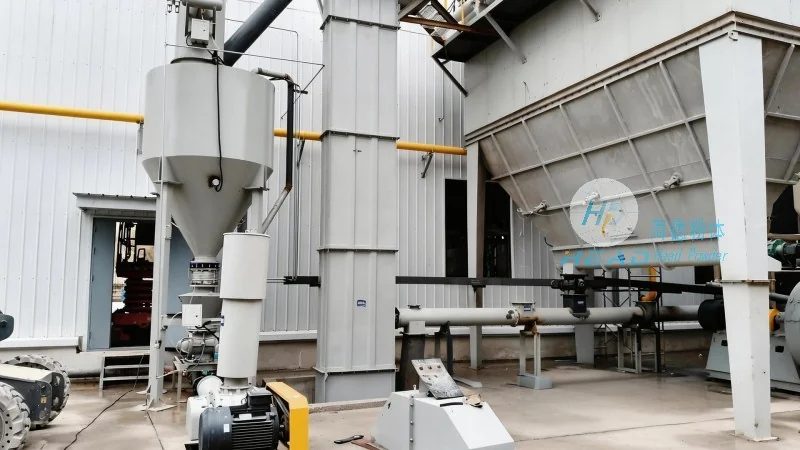
Key Considerations for Lithium Fluoride Transportation
Before discussing specific transportation methods, it is essential to understand the key considerations that influence the choice of transport. Lithium fluoride is a solid at room temperature but can be in powder or granular form. Its handling requires adherence to strict safety measures due to its reactivity with moisture and other chemicals. Regulatory compliance, such as those set by the International Maritime Organization (IMO) and the U.S. Department of Transportation (DOT), is mandatory for all modes of transport. Additionally, the packaging must be robust to prevent contamination, leakage, or damage during transit.
Common Transportation Methods for Lithium Fluoride
Several methods are employed for transporting lithium fluoride, each suited to different quantities and destinations. The primary methods include road transport, rail transport, and maritime transport. Each has its advantages and limitations, which are discussed below.

1. Road Transportation
For smaller quantities, road transport is a common choice. Lithium fluoride is typically packaged in sealed containers, such as metal drums or plastic-lined containers, to prevent moisture absorption. These containers are often equipped with venting systems to release pressure and prevent rupture. The vehicles used for road transport must be properly marked with hazard symbols and are subject to regular inspections to ensure compliance with safety regulations. Road transport is flexible and can reach destinations that are not accessible by rail or sea, making it suitable for local deliveries or regional distribution.
2. Rail Transportation
Rail transport is often used for larger volumes of lithium fluoride, especially when moving between major industrial centers. The material is usually loaded into specialized railcars, such as tank cars or covered hoppers, which are designed to protect the product from environmental factors. The railcars are equipped with secure locking mechanisms and are inspected before each journey to ensure they meet safety standards. This method is cost-effective for bulk shipments and reduces the risk of accidents associated with road transport, as it is less susceptible to traffic congestion and weather-related disruptions.
3. Maritime Transportation
For international shipments, maritime transport is the most common method due to its capacity and cost-efficiency. Lithium fluoride is transported in bulk quantities using specialized ships, such as tankers or bulk carriers. The cargo is stored in sealed containers or tanks that are designed to prevent leakage and contamination. The containers are often equipped with monitoring systems to track temperature, pressure, and other parameters during the voyage. Maritime transport is suitable for long-distance deliveries but requires careful planning to ensure compliance with international maritime regulations and to mitigate risks associated with sea travel, such as rough weather and piracy.

Best Practices in Lithium Fluoride Transportation
Regardless of the transport method chosen, several best practices should be followed to ensure the safety and integrity of lithium fluoride during transit. First, all personnel involved in the transportation process must be trained in handling hazardous materials and emergency procedures. Second, regular inspections of packaging and containers are necessary to identify any signs of damage or degradation. Third, proper labeling and documentation are essential to comply with regulatory requirements and to facilitate smooth customs clearance. Finally, maintaining a log of the entire transportation process helps in tracking the product and addressing any issues that may arise.
Conclusion
Transporting lithium fluoride requires careful consideration of the material's properties, regulatory requirements, and available transportation options. By adhering to industry standards and best practices, companies can ensure the safe and efficient delivery of lithium fluoride to their customers. Shandong HeadPowder Engineering Co., Ltd., a leading provider of lithium fluoride and related products, emphasizes these safety measures in all its transportation operations, ensuring that customers receive their products in optimal condition. With a commitment to quality and safety, HeadPowder continues to serve the industrial community with reliable lithium fluoride transportation solutions.

 Shandong Headpowder Engineering Co., Ltd.
 156-6277-7102(Quản lý Trương)
  0531-83386006
  Thành phố Tế Nam, Tỉnh Sơn Đông, Trung Quốc
Điện thoại
WeChatTư vấn
Lên đầu