Với hơn 10 năm kinh nghiệm về vận chuyển khí nén, Headpowder Sơn Đông cung cấp hệ thống, thiết bị và quạt gió toàn chuỗi, đảm nhận các dự án kỹ thuật bột trọn gói trên toàn quốc.
When it comes to handling and transporting rice husk ash, the design of an efficient pneumatic conveying system is crucial for optimizing industrial processes. A well-planned system not only enhances operational efficiency but also ensures safety and reliability in material handling. This article explores the key considerations and steps involved in designing a reasonable rice husk ash pneumatic conveying system, with a focus on practical solutions tailored to industrial needs.
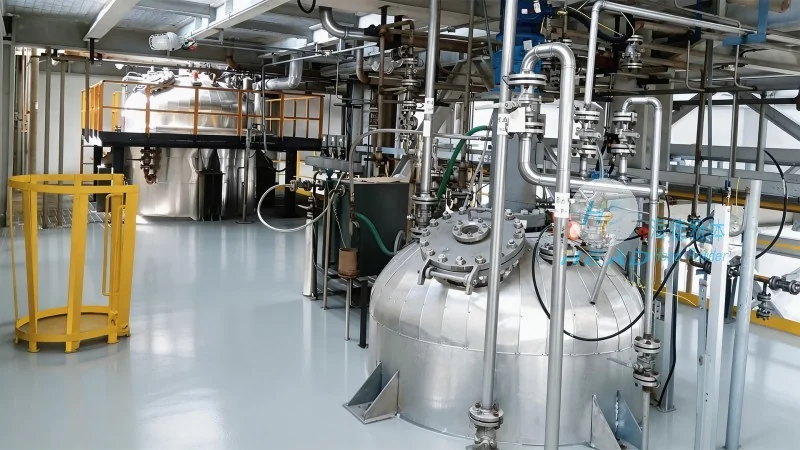
Understanding the Importance of Pneumatic Conveying for Rice Husk Ash
Rice husk ash, a byproduct of rice processing, is often used in various industrial applications such as construction materials, fertilizers, and energy production. Efficient transportation of this material is essential to maintain consistent production flow and minimize downtime. Pneumatic conveying systems offer a non-contact, low-maintenance method for moving bulk materials like rice husk ash over short to medium distances. Unlike traditional methods like belt conveyors or bucket elevators, pneumatic systems can handle fine powders and abrasive materials without causing wear and tear on equipment. This makes them ideal for rice husk ash, which can be abrasive and prone to dust generation.
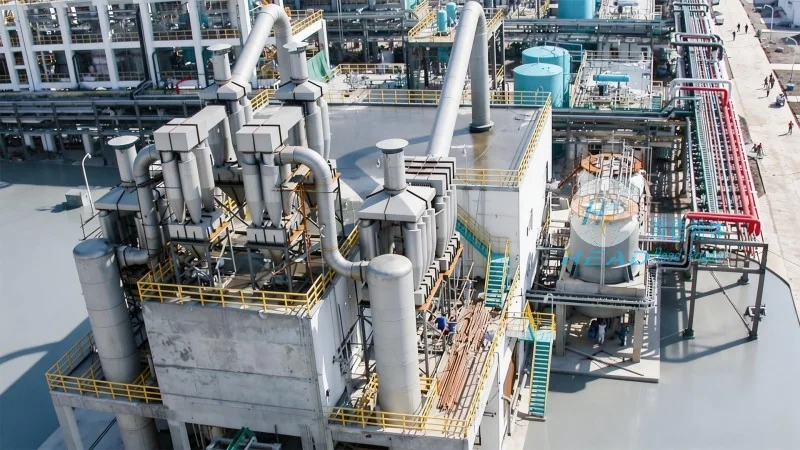
Key Design Factors for a Reliable Rice Husk Ash Pneumatic Conveying System
Designing a pneumatic conveying system for rice husk ash requires careful consideration of several factors to ensure optimal performance. The first step is to assess the material characteristics, including particle size, density, moisture content, and flowability. These properties directly impact the selection of the conveying system type (e.g., pressure or vacuum system) and the required air velocity. For rice husk ash, which is typically a fine powder with low bulk density, a pressure system is often preferred as it can handle the material more effectively over longer distances. The system design must also account for the system's capacity, ensuring it can handle the expected throughput without causing blockages or excessive pressure drops.
System Components and Their Role in Efficient Rice Husk Ash Transport
A pneumatic conveying system for rice husk ash typically consists of several key components, each playing a critical role in the overall operation. The primary components include the hopper or feeder, which stores and feeds the material into the system; the conveying line, which transports the material using air; the air compressor or vacuum pump, which provides the necessary air pressure or suction; and the receiver or discharge point, where the material is collected. The hopper design is crucial for preventing material bridging and ensuring consistent feeding. For rice husk ash, which can be cohesive, a hopper with a conical bottom and a rotary or vibratory feeder is often recommended to maintain smooth material flow. The conveying line is usually made of stainless steel or other corrosion-resistant materials to withstand the abrasive nature of the ash. The air compressor must be sized appropriately to provide sufficient air volume and pressure to move the material at the desired velocity. Proper filtration and dust collection systems are also essential to maintain air quality and comply with environmental regulations.
HeadPowder's Expertise in Designing Custom Pneumatic Conveying Solutions
Shandong HeadPowder Engineering Co., Ltd., a leading provider of engineering solutions for bulk material handling, specializes in designing and implementing custom pneumatic conveying systems tailored to the unique needs of clients. With years of experience in the industry, HeadPowder understands the challenges associated with handling rice husk ash and other fine powders. The company's team of engineers leverages advanced design software and extensive knowledge to develop systems that maximize efficiency, minimize energy consumption, and ensure long-term reliability. HeadPowder's approach involves a comprehensive consultation process, where the client's specific requirements, such as material characteristics, production capacity, and site constraints, are carefully evaluated. Based on this assessment, a customized system design is developed, including detailed specifications for each component and the overall layout. The company also provides thorough testing and commissioning services to ensure the system operates as intended before it is put into production. This commitment to quality and customer satisfaction has made HeadPowder a trusted partner for industries relying on efficient rice husk ash transport.
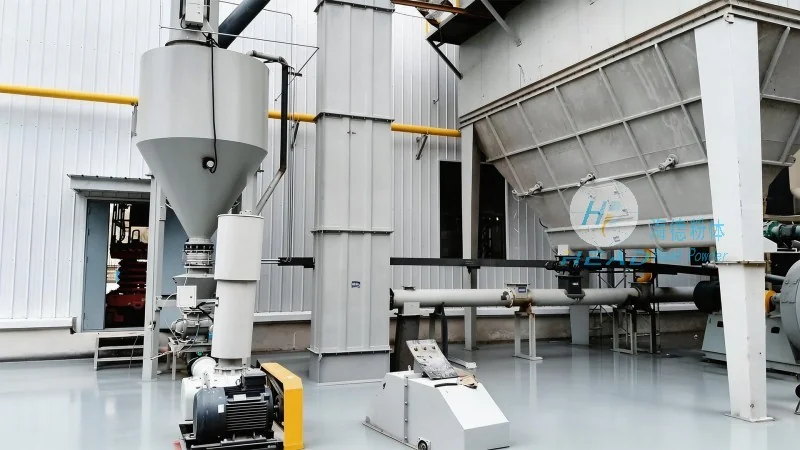
Conclusion: Optimizing Rice Husk Ash Handling with Professional System Design
Designing a reasonable rice husk ash pneumatic conveying system requires a deep understanding of material properties, system components, and operational requirements. By considering factors such as material characteristics, system capacity, and environmental regulations, industries can select and implement an efficient conveying solution that enhances productivity and reduces costs. With the expertise of companies like Shandong HeadPowder Engineering Co., Ltd., businesses can ensure their pneumatic conveying systems are tailored to their specific needs, providing reliable and cost-effective transport of rice husk ash. By investing in a well-designed system, industries can improve their overall operational efficiency and contribute to sustainable material handling practices.

 Shandong Headpowder Engineering Co., Ltd.
 156-6277-7102(Quản lý Trương)
  0531-83386006
  Thành phố Tế Nam, Tỉnh Sơn Đông, Trung Quốc
Điện thoại
WeChatTư vấn
Lên đầu