Với hơn 10 năm kinh nghiệm về vận chuyển khí nén, Headpowder Sơn Đông cung cấp hệ thống, thiết bị và quạt gió toàn chuỗi, đảm nhận các dự án kỹ thuật bột trọn gói trên toàn quốc.
When it comes to handling and transporting seaweed residue pellets, selecting the right conveying method is crucial for efficiency and operational success. The choice of transport system can significantly impact production costs, material handling speed, and overall process reliability. In this article, we will explore common methods for transporting seaweed residue pellets, with a particular focus on pneumatic conveying as a modern and effective solution.
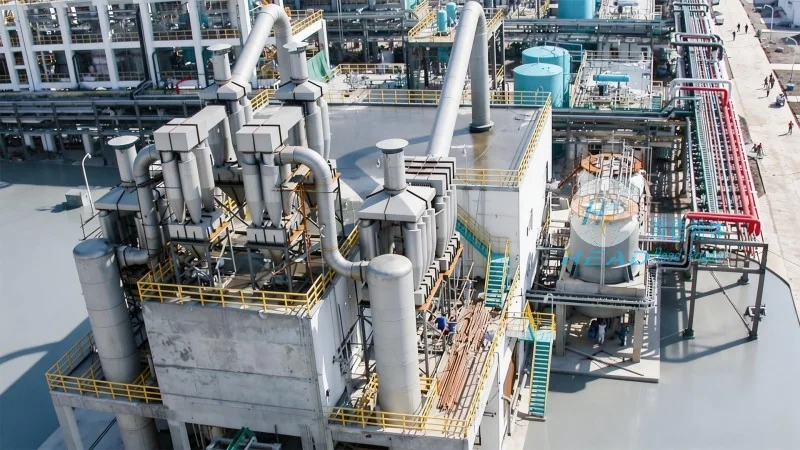
Understanding Seaweed Residue Pellets and Their Transport Needs
Seaweed residue pellets are a byproduct of various marine processing operations, such as algae cultivation and processing. These pellets are typically dense, irregularly shaped, and can vary in moisture content and particle size. The physical properties of seaweed residue pellets make traditional bulk material handling methods less effective, as they may lead to blockages, wear on equipment, and reduced throughput. Therefore, specialized conveying systems are often required to ensure smooth and efficient transport.
Common Conveying Methods for Seaweed Residue Pellets
Several methods are commonly used for transporting seaweed residue pellets, each with its own advantages and limitations. The primary options include mechanical conveying systems like belt conveyors, screw conveyors, and bucket elevators, as well as pneumatic conveying systems. Mechanical systems are generally suitable for short-distance transport and low to moderate material flow rates, while pneumatic systems excel in long-distance, high-volume, and dust-free transport scenarios.
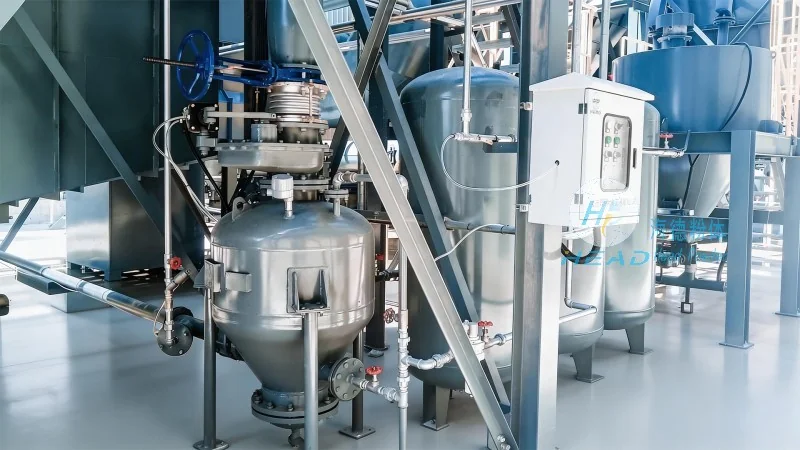
Pneumatic Conveying: A Modern Solution for Seaweed Residue Pellets
Pneumatic conveying, also known as air conveying, is a method that uses pressurized or vacuum air to move material through a pipeline. This technology is particularly well-suited for transporting seaweed residue pellets due to its ability to handle abrasive and irregular materials without causing excessive wear. The system typically consists of a blower or vacuum pump, a material feed hopper, and a pipeline network that transports the pellets to the destination point. Pneumatic conveying offers several key benefits, including high throughput, minimal material degradation, and the ability to transport materials over long distances with minimal maintenance.
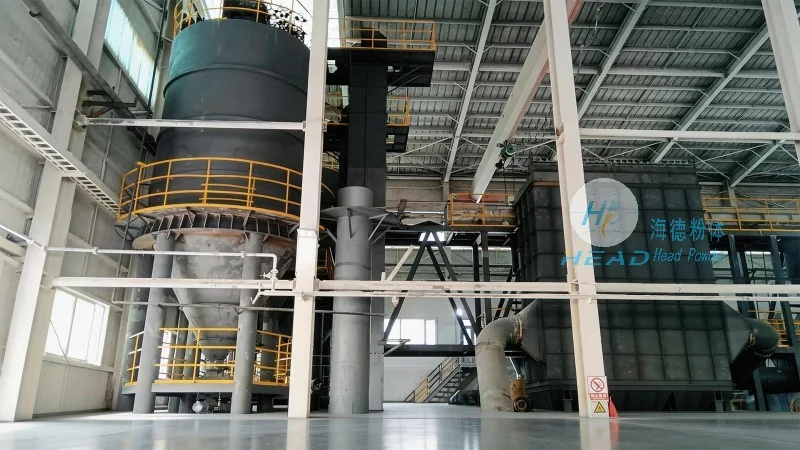
Key Components of a Pneumatic Conveying System for Seaweed Residue Pellets
A typical pneumatic conveying system for seaweed residue pellets includes several essential components. The blower or vacuum pump provides the necessary air pressure or suction to move the material. The material feed hopper is designed to feed the pellets into the pipeline at a controlled rate, preventing blockages and ensuring consistent flow. The pipeline network, often made of stainless steel or other corrosion-resistant materials, is engineered to handle the abrasive nature of seaweed residue pellets. Additionally, the system may include components such as cyclones for material separation, filters to remove dust, and control valves to regulate air flow and material transport.
Advantages of Pneumatic Conveying for Seaweed Residue Pellets
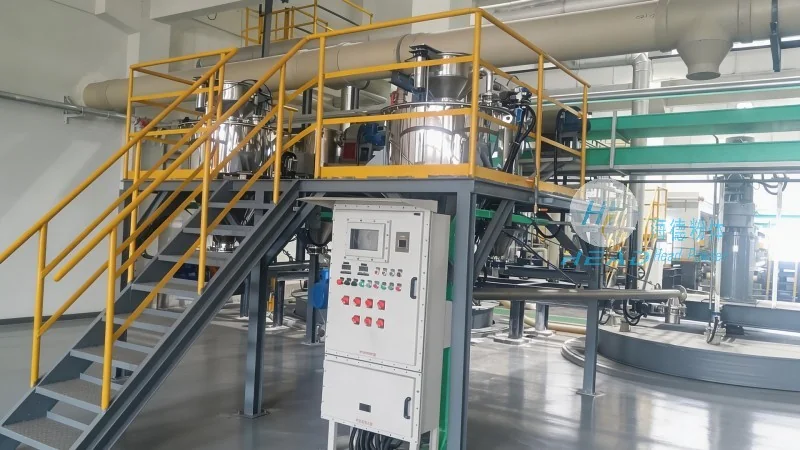
Compared to traditional mechanical conveying methods, pneumatic conveying offers several advantages for transporting seaweed residue pellets. One of the most significant benefits is the ability to handle abrasive and irregular materials without causing excessive wear on equipment. This reduces maintenance costs and extends the lifespan of the conveying system. Additionally, pneumatic systems can transport materials over long distances with minimal material degradation, ensuring that the seaweed residue pellets reach their destination in optimal condition. The dust-free operation of pneumatic conveying also contributes to a cleaner working environment and reduces the risk of material contamination.
Considerations for Implementing Pneumatic Conveying Systems
While pneumatic conveying offers numerous benefits, there are several factors to consider when implementing such a system for seaweed residue pellets. The first is the material's physical properties, including particle size, moisture content, and abrasiveness. These factors will determine the appropriate type of pneumatic system (e.g., pressure or vacuum) and the required pipeline diameter and material of construction. Another important consideration is the distance and volume of material to be transported, as these will impact the size and capacity of the blower or vacuum pump. Additionally, the system's integration with existing production processes and the need for dust control measures should be evaluated to ensure compliance with environmental regulations.
Conclusion: Choosing the Right Conveying Method for Seaweed Residue Pellets
In conclusion, selecting the appropriate conveying method for seaweed residue pellets is critical to optimizing operational efficiency and reducing costs. While mechanical systems may be suitable for short-distance transport, pneumatic conveying stands out as a superior solution for long-distance, high-volume, and dust-free transport. By understanding the advantages and considerations of different conveying methods, manufacturers can make informed decisions that enhance their production processes and ensure the efficient handling of seaweed residue pellets. As a leading provider of engineering solutions, Shandong HeadPowder Engineering Co., Ltd. specializes in designing and manufacturing customized pneumatic conveying systems tailored to the unique needs of seaweed residue pellet processing facilities.

 Shandong Headpowder Engineering Co., Ltd.
 156-6277-7102(Quản lý Trương)
  0531-83386006
  Thành phố Tế Nam, Tỉnh Sơn Đông, Trung Quốc
Điện thoại
WeChatTư vấn
Lên đầu