Với hơn 10 năm kinh nghiệm về vận chuyển khí nén, Headpowder Sơn Đông cung cấp hệ thống, thiết bị và quạt gió toàn chuỗi, đảm nhận các dự án kỹ thuật bột trọn gói trên toàn quốc.
Stabilizer powders are essential components in various industrial applications, and their efficient delivery is crucial for maintaining production efficiency and product quality. The choice of delivery method significantly impacts the overall process, affecting factors such as material handling costs, equipment maintenance, and environmental considerations. Among the various options available, pneumatic conveying stands out as a popular and effective solution for transporting stable powder materials. This article explores common powder delivery methods, with a focus on the advantages and applications of powder pneumatic conveying systems.
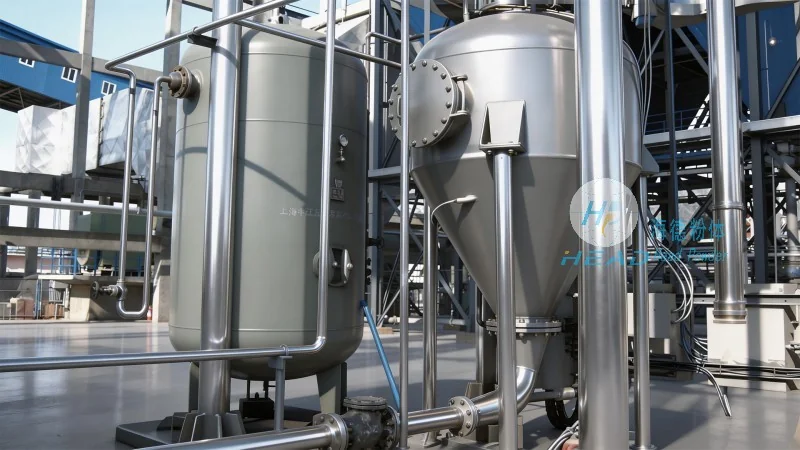
Overview of Powder Delivery Methods
Before delving into specific techniques, it is essential to understand the primary categories of powder delivery systems. Traditional methods include mechanical conveying, such as screw conveyors, belt conveyors, and bucket elevators, which rely on mechanical force to move materials. However, these systems often face challenges with abrasive or fine powders, leading to increased wear and potential product contamination. In contrast, pneumatic conveying uses air or other gases to transport powders through a pipeline, offering a more flexible and efficient alternative for many industrial processes.
Pneumatic Conveying: A Comprehensive Solution
Pneumatic conveying, also known as powder gas conveying, is a technology that utilizes compressed air to transport dry powders through a closed pipeline system. This method is widely adopted in industries like pharmaceuticals, food processing, and chemical manufacturing due to its ability to handle a wide range of powder characteristics, including fine, abrasive, and hygroscopic materials. The core components of a pneumatic conveying system typically include a material feed hopper, a conveying line, a control valve, and a receiver or discharge point. The system operates by creating a pressure differential, either through positive pressure (where air is blown into the line) or negative pressure (where air is drawn out), to move the powder particles along the pipeline.
Types of Pneumatic Conveying Systems
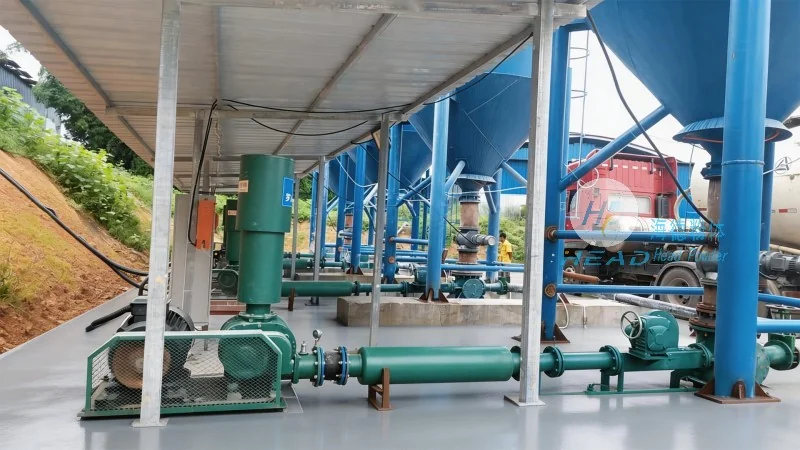
There are several types of pneumatic conveying systems, each suited to different operational requirements and material properties. The most common types include dilute phase and dense phase systems. Dilute phase conveying, often used for fine powders, operates at relatively low pressure and high air-to-material ratios, allowing for long-distance transport with minimal pressure drop. Dense phase conveying, on the other hand, uses higher pressure and lower air-to-material ratios, resulting in a slower but more controlled delivery, which is ideal for handling sensitive or valuable powders. Additionally, vacuum and pressure systems are used based on the specific needs of the application, with vacuum systems typically employed for short-distance or low-volume transport and pressure systems for longer distances or higher material loads.
Advantages of Powder Pneumatic Conveying
Compared to traditional mechanical conveying methods, pneumatic conveying offers several advantages that make it a preferred choice for many industries. One of the key benefits is the ability to handle a wide variety of powder types, including those that are difficult to transport mechanically due to their fine particle size or abrasive nature. This reduces the risk of material degradation and equipment wear, leading to lower maintenance costs and longer equipment life. Another advantage is the flexibility of the system, as it can be easily integrated into existing production lines and adapted to changing production volumes. Pneumatic conveying also provides better control over the material flow, allowing for precise dosing and reduced product loss. Furthermore, the enclosed pipeline system minimizes dust emissions and improves workplace safety, which is particularly important in industries where powder handling is a concern.
Application Examples in Stabilizer Powder Handling
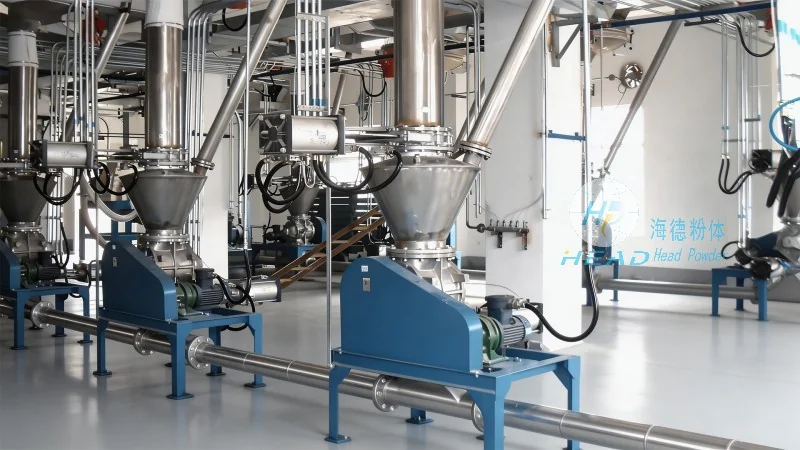
In the context of stabilizer powders, pneumatic conveying systems are commonly used in processes such as blending, mixing, and packaging. For instance, in pharmaceutical manufacturing, stabilizer powders are often delivered to mixing tanks via pneumatic conveying to ensure uniform distribution and prevent contamination. Similarly, in food processing, these systems are used to transport stabilizer powders to production lines, where they are incorporated into various products like beverages or snacks. The ability to handle hygroscopic or sensitive powders without exposure to air or moisture makes pneumatic conveying an ideal solution for maintaining product quality and shelf life.
Considerations for Implementing Pneumatic Conveying Systems
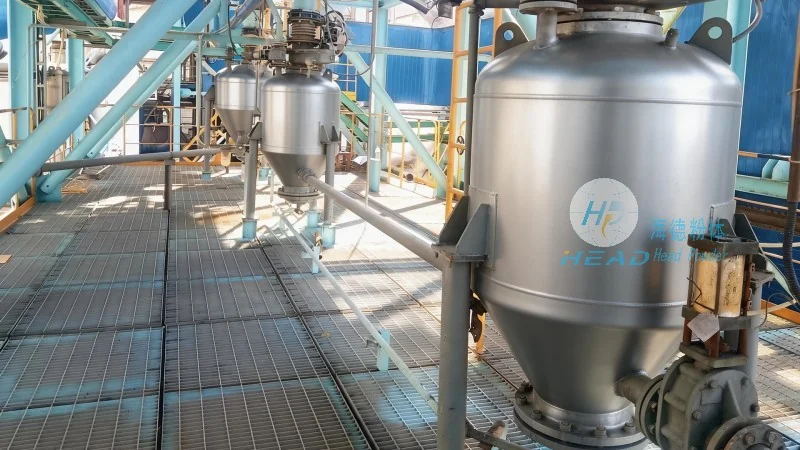
While pneumatic conveying offers numerous benefits, there are several factors to consider when implementing such a system. The choice of system type depends on the specific characteristics of the powder, including particle size, density, and flowability. For example, fine powders with high moisture content may require a different system design compared to coarse, dry powders. Additionally, the distance and volume of material to be transported influence the system's design, as longer distances or higher volumes may necessitate more robust components and higher air pressure. Maintenance and operational costs are also important considerations, as pneumatic systems require regular cleaning and maintenance to prevent blockages and ensure optimal performance. Proper system sizing and design are crucial to avoid issues such as pressure drop, material degradation, or equipment failure.
Conclusion
Pneumatic conveying is a highly effective and versatile method for delivering stabilizer powders, offering advantages in efficiency, flexibility, and material handling. By understanding the different types of pneumatic systems and their applications, industries can select the most suitable solution for their specific needs. As technology continues to advance, pneumatic conveying systems are becoming more efficient and reliable, further enhancing their role in modern industrial processes. For companies dealing with stabilizer powders, investing in a well-designed pneumatic conveying system can lead to improved production efficiency, reduced costs, and enhanced product quality.

 Shandong Headpowder Engineering Co., Ltd.
 156-6277-7102(Quản lý Trương)
  0531-83386006
  Thành phố Tế Nam, Tỉnh Sơn Đông, Trung Quốc
Điện thoại
WeChatTư vấn
Lên đầu