Với hơn 10 năm kinh nghiệm về vận chuyển khí nén, Headpowder Sơn Đông cung cấp hệ thống, thiết bị và quạt gió toàn chuỗi, đảm nhận các dự án kỹ thuật bột trọn gói trên toàn quốc.
Wheat, as a staple crop, requires efficient and reliable transport methods to ensure its quality and safety from the field to processing facilities. The choice of transport method significantly impacts operational efficiency, cost, and product integrity. This article provides a detailed comparison of common wheat transport methods, highlighting their advantages and disadvantages, with a focus on practical applications in the agricultural and food processing industries.
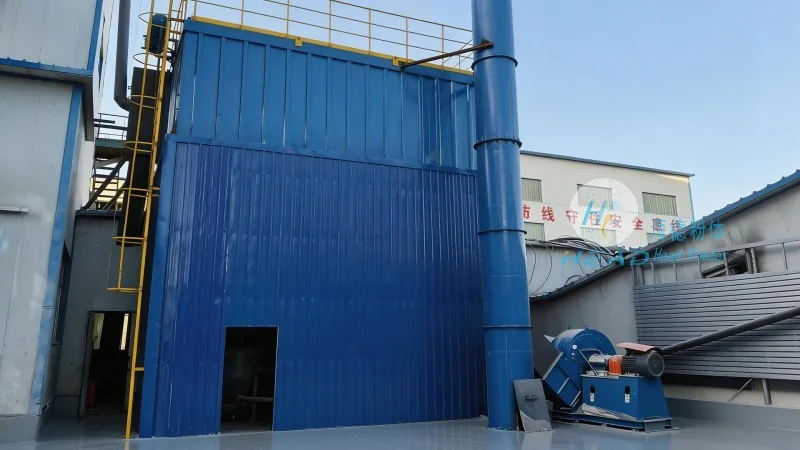
Introduction to Wheat Transport Methods
Wheat transport involves moving grain from storage bins, silos, or fields to processing plants, mills, or distribution centers. Various technologies are employed to achieve this, each with distinct characteristics that influence performance. The primary methods include belt conveyors, screw conveyors, pneumatic conveyors, and bucket elevators. Understanding the pros and cons of each method is crucial for selecting the most suitable solution for specific operational needs.
About HeadPowder: Your Trusted Partner in Agricultural Engineering
Shandong HeadPowder Engineering Co., Ltd., commonly known as HeadPowder, is a leading manufacturer and supplier of specialized equipment for the agricultural and food processing sectors. With a strong presence in China, particularly in Shandong province, HeadPowder has established itself as a reliable partner for businesses seeking efficient and durable wheat transport solutions. The company's commitment to quality, innovation, and customer satisfaction has earned it a reputation for excellence in the industry.
Belt Conveyors: A Versatile and Widely Used Option
Belt conveyors are among the most common and versatile wheat transport systems. They consist of a continuous belt that moves grain along a fixed path, typically supported by rollers or a flat surface. This method is highly effective for transporting large volumes of wheat over short to medium distances. The primary advantages of belt conveyors include high capacity, low maintenance costs, and the ability to handle various grain types without causing significant damage. However, they have limitations, such as the need for level or slightly inclined surfaces, and potential for grain spillage if not properly aligned or maintained. Belt conveyors are ideal for applications requiring consistent and continuous flow, such as moving wheat from storage to processing lines.
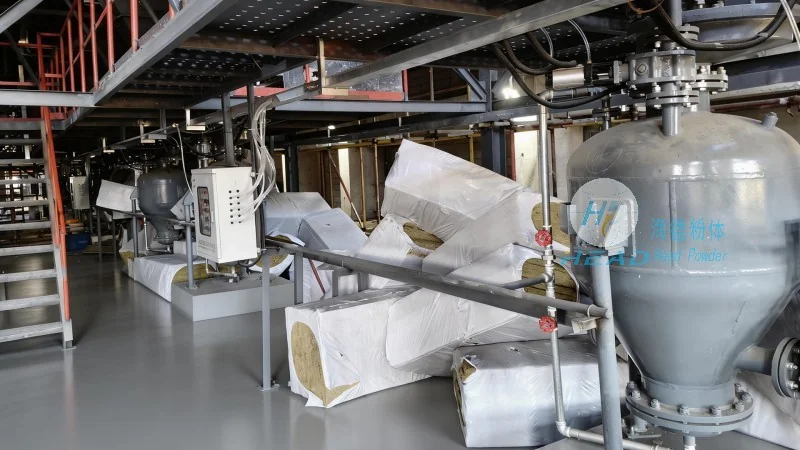
Screw Conveyors: Compact and Efficient for Horizontal Transport
Screw conveyors, also known as augers, are another popular choice for wheat transport, especially for horizontal or slightly inclined movements. These systems use a rotating screw to push grain forward through a cylindrical tube. Screw conveyors are compact and can be installed in tight spaces, making them suitable for confined areas like silos or processing rooms. Their advantages include low power consumption, minimal space requirements, and the ability to handle dry or slightly moist wheat without clogging. The main disadvantages are their limited capacity compared to belt conveyors and potential for grain degradation if the screw speed is too high or the material is abrasive. Screw conveyors are well-suited for transporting wheat in horizontal or gentle incline scenarios, such as moving grain from a lower to a higher level within a facility.
Pneumatic Conveyors: High-Speed and Flexible for Distant Transport
Pneumatic conveyors, or airslides, use air pressure to transport wheat through a pipeline. This method is particularly effective for long-distance or vertical transport, as it can move grain quickly and efficiently over considerable distances without the need for multiple transfer points. The primary advantages of pneumatic conveyors include high speed, flexibility in layout, and the ability to transport wheat in a closed system, reducing dust and contamination. However, they require higher energy consumption compared to other methods and may experience pressure drops over long distances, potentially affecting flow rates. Pneumatic conveyors are ideal for applications requiring rapid transport, such as moving wheat from a field to a processing plant or between different processing stages.
Bucket Elevators: Reliable for Vertical Transport
Bucket elevators are specialized equipment designed for vertical transport of wheat. They consist of a vertical or inclined conveyor with buckets attached to a chain or belt that moves grain upward. This method is highly efficient for lifting wheat from ground level to elevated storage or processing areas. The advantages of bucket elevators include high capacity, reliability, and the ability to handle large volumes of grain with minimal labor. The main drawbacks are the need for regular maintenance to prevent bucket wear and potential for grain spillage if the system is not properly sealed. Bucket elevators are commonly used in grain elevators and processing plants where vertical movement is necessary, such as transferring wheat from a silo to a mill.
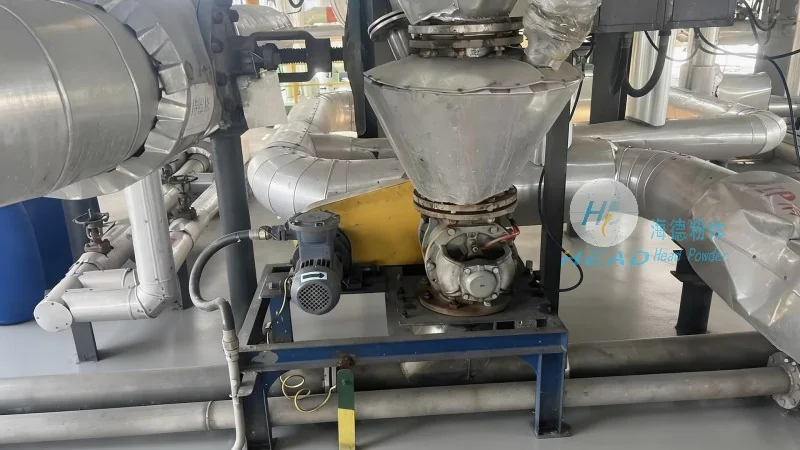
Choosing the Right Wheat Transport Method: Factors to Consider
The selection of an appropriate wheat transport method depends on several factors, including the volume of grain to be transported, the distance and layout of the facility, the type of wheat (e.g., hard or soft, with or without husks), and budget constraints. For high-volume, horizontal transport over short distances, belt conveyors are often the most cost-effective choice. Screw conveyors are preferable for compact spaces or horizontal movement with limited vertical lift. Pneumatic conveyors excel in long-distance or vertical transport where speed and flexibility are critical. Bucket elevators are ideal for vertical lifting in large-scale operations. Additionally, factors such as maintenance requirements, energy consumption, and product integrity (e.g., avoiding grain breakage or contamination) should be evaluated to ensure the chosen method aligns with operational goals.
Conclusion and Recommendations
Efficient wheat transport is essential for maintaining grain quality and optimizing operational efficiency in agricultural and food processing industries. The choice of transport method should be based on a thorough analysis of specific requirements and constraints. Shandong HeadPowder Engineering Co., Ltd. offers a range of high-quality wheat transport solutions, including belt conveyors, screw conveyors, pneumatic conveyors, and bucket elevators, tailored to meet diverse operational needs. By understanding the advantages and disadvantages of each method, businesses can make informed decisions that enhance productivity, reduce costs, and ensure the safe and efficient movement of wheat throughout the supply chain.

 Shandong Headpowder Engineering Co., Ltd.
 156-6277-7102(Quản lý Trương)
  0531-83386006
  Thành phố Tế Nam, Tỉnh Sơn Đông, Trung Quốc
Điện thoại
WeChatTư vấn
Lên đầu