Với hơn 10 năm kinh nghiệm về vận chuyển khí nén, Headpowder Sơn Đông cung cấp hệ thống, thiết bị và quạt gió toàn chuỗi, đảm nhận các dự án kỹ thuật bột trọn gói trên toàn quốc.
For industries dealing with sawdust and wood chips, selecting the right conveying system is crucial for efficiency, cost-effectiveness, and operational safety. The choice of conveying method depends on factors such as material characteristics, distance, volume, and environmental considerations. This article explores common sawdust and wood chip conveying methods, with a focus on pneumatic conveying systems, which are widely used for their versatility and effectiveness in handling fine and abrasive materials like sawdust.
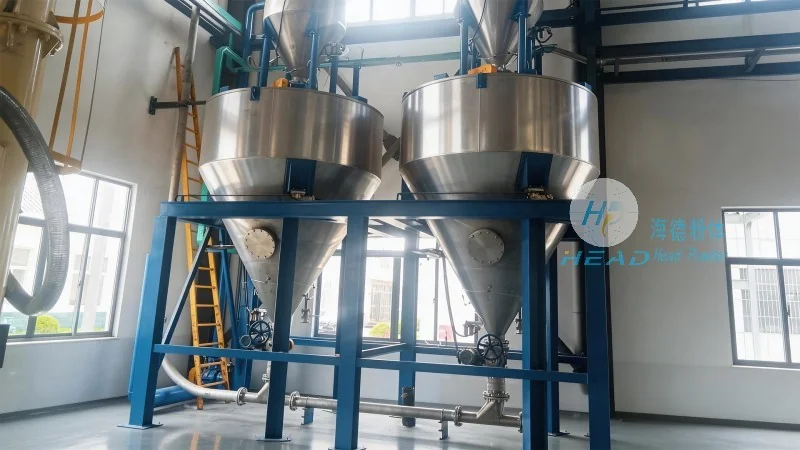
Overview of Conveying Systems for Sawdust and Wood Chips
Conveying systems for sawdust and wood chips can be broadly categorized into several types, each with its own advantages and limitations. The primary methods include gravity conveyors, mechanical conveyors (such as belt conveyors and screw conveyors), and pneumatic conveying systems. Each method is suited to different operational requirements, and understanding their characteristics helps in making an informed decision.
Gravity Conveyors: A Simple and Cost-Effective Option
Gravity conveyors utilize the natural force of gravity to move sawdust and wood chips from a higher elevation to a lower one. These systems typically consist of inclined chutes or troughs that allow the material to flow down under the influence of gravity. While simple in design, gravity conveyors are effective for short distances and when the material has a consistent angle of repose. However, they are limited by the need for a slope and are not suitable for long horizontal distances or when the material needs to be elevated.
Mechanical Conveyors: Versatile Solutions for Various Applications
Mechanical conveyors, including belt conveyors and screw conveyors, are widely used in sawdust and wood chip handling. Belt conveyors use a continuous belt to transport material horizontally or at a slight incline, making them suitable for longer distances and varying load capacities. Screw conveyors, also known as augers, use a rotating screw to push material forward, ideal for vertical or inclined transport. These systems are robust and reliable, but they may generate dust and require regular maintenance to prevent wear and tear.
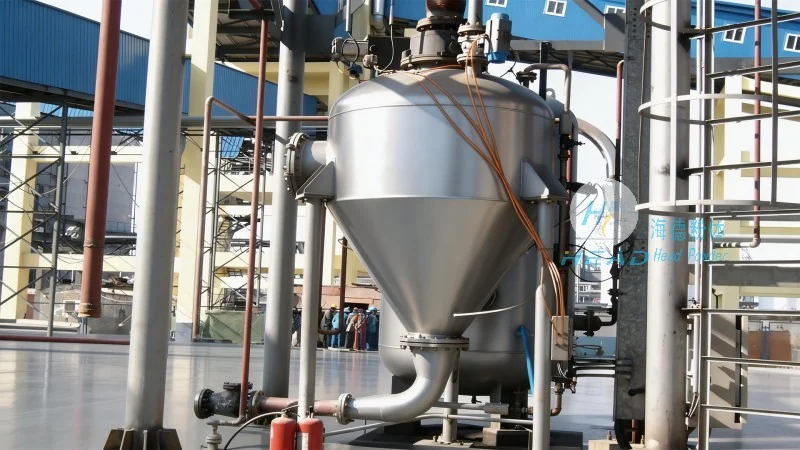
Pneumatic Conveying Systems: The Preferred Choice for Fine Materials
Pneumatic conveying systems, also known as air conveying systems, use compressed air to transport sawdust and wood chips through a pipeline. This method is particularly effective for fine, abrasive, or dusty materials that are difficult to handle with other systems. There are two main types of pneumatic conveying: pressure and vacuum systems. Pressure systems use compressed air to push material through the line, while vacuum systems use suction to draw material into the pipeline.
Advantages of Pneumatic Conveying for Sawdust and Wood Chips
Pneumatic conveying offers several advantages over other methods, making it the preferred choice for many industries. One of the key benefits is the ability to transport material over long distances, including both horizontal and vertical segments, without the need for multiple transfer points. This reduces the risk of material spillage and contamination. Additionally, pneumatic systems are enclosed, which helps in controlling dust and maintaining a clean environment. They also allow for easy integration with other processing equipment, such as dryers or pelletizers, as the material can be conveyed directly into these units.
Key Components of a Pneumatic Conveying System
A typical pneumatic conveying system for sawdust and wood chips includes several key components. The main components are the air compressor, which provides the necessary pressure or vacuum; the material feed hopper, which holds the sawdust and allows it to be fed into the pipeline; the conveying line, which transports the material; and the control valves and regulators, which manage the air flow and pressure. Other components may include filters to remove dust from the air, and cyclones or separators to separate the material from the air at the receiving end.
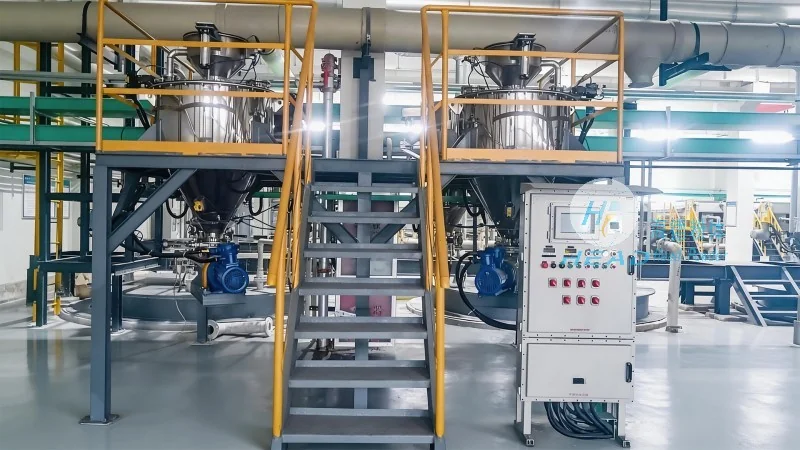
Applications of Pneumatic Conveying in Sawdust and Wood Chip Processing
Pneumatic conveying systems are widely used in various applications within the sawdust and wood chip processing industry. For example, in wood pellet production, pneumatic systems are used to transport raw sawdust from storage to the pelletizing machine. In biomass energy plants, they are used to convey wood chips to boilers or gasifiers. In woodworking and furniture manufacturing, pneumatic conveyors are used to transport sawdust from machines to collection bins or waste disposal areas. The versatility of pneumatic systems makes them suitable for a wide range of applications, from small-scale operations to large industrial facilities.
Considerations for Selecting a Pneumatic Conveying System
When selecting a pneumatic conveying system for sawdust and wood chips, several factors need to be considered. The first is the material characteristics, such as particle size, moisture content, and abrasiveness. These factors affect the choice of system type (pressure or vacuum) and the required air flow rate. The second is the distance and layout of the conveying line, which determines the system's capacity and energy consumption. The third is the environmental requirements, such as dust control and noise reduction, which may influence the design of the system. Finally, the budget and maintenance requirements should also be considered, as pneumatic systems can be more expensive to install and maintain than other methods.

 Shandong Headpowder Engineering Co., Ltd.
 156-6277-7102(Quản lý Trương)
  0531-83386006
  Thành phố Tế Nam, Tỉnh Sơn Đông, Trung Quốc
Điện thoại
WeChatTư vấn
Lên đầu