Với hơn 10 năm kinh nghiệm về vận chuyển khí nén, Headpowder Sơn Đông cung cấp hệ thống, thiết bị và quạt gió toàn chuỗi, đảm nhận các dự án kỹ thuật bột trọn gói trên toàn quốc.
When it comes to transporting plastic powders, selecting the right conveying method is crucial for ensuring efficiency, safety, and product integrity. Various options are available, each with its own set of advantages and limitations. This article provides an overview of common plastic powder conveying methods, with a focus on the benefits and characteristics of pneumatic conveying, a popular choice in the industry.
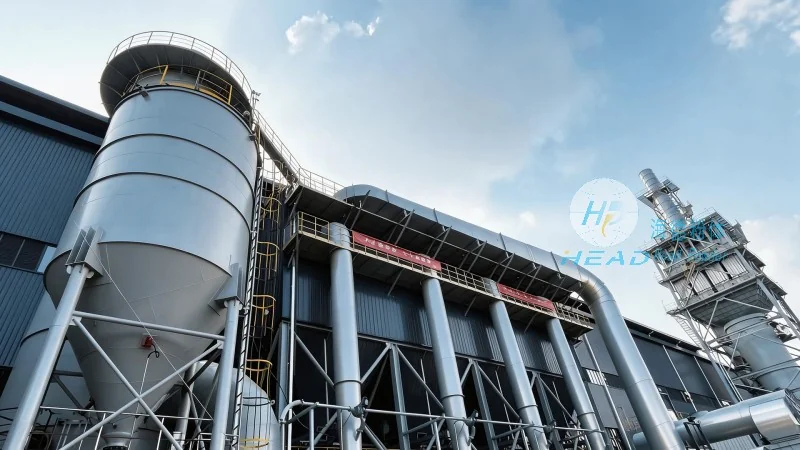
Understanding Plastic Powder Conveying Methods
Plastic powders are widely used in manufacturing processes, and their transportation requires specialized equipment to prevent caking, segregation, and contamination. Traditional methods like belt conveyors or screw conveyors may not be suitable for fine powders due to their tendency to stick or create dust. Pneumatic conveying, on the other hand, offers a more effective solution by using air to move the material through a pipeline system.
The Advantages of Pneumatic Conveying for Plastic Powders
Pneumatic conveying systems, such as those offered by Shandong HeadPowder Engineering Co., Ltd., provide several key advantages that make them ideal for plastic powder handling. One of the primary benefits is the ability to transport materials over long distances without the need for multiple transfer points. This reduces the risk of material degradation and improves overall process efficiency. Additionally, pneumatic systems can handle a wide range of plastic powders, including those with high moisture content or abrasive properties, without causing damage to the product.
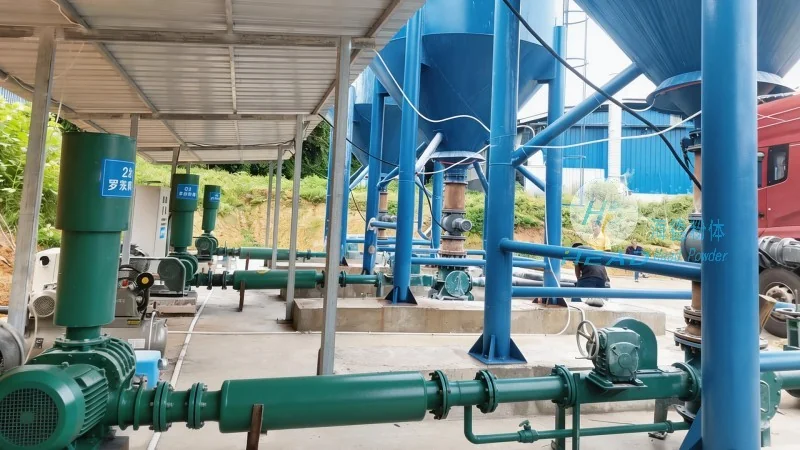
Another significant advantage is the hygienic design of pneumatic conveying equipment. The enclosed pipeline system minimizes dust exposure, which is essential for maintaining product quality and compliance with industry standards. This is particularly important in food-grade or medical applications where contamination must be strictly controlled. The system also allows for easy integration with other processing equipment, such as mixers or extruders, enabling seamless workflow in manufacturing plants.
Key Features of Pneumatic Conveying Systems
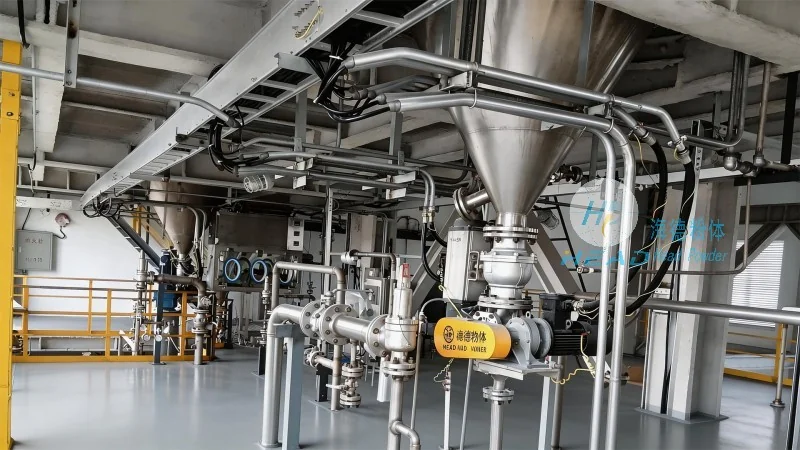
Shandong HeadPowder Engineering Co., Ltd. specializes in designing and manufacturing advanced pneumatic conveying systems tailored to the specific needs of plastic powder applications. These systems typically include components like air blowers, filters, and control valves that work together to ensure consistent and reliable material transport. The use of positive pressure or negative pressure systems can be customized based on the material's characteristics and the layout of the facility.
One of the standout features of their pneumatic conveying solutions is the ability to handle both dilute and dense phase conveying. Dilute phase systems use high-velocity air to move material in a low concentration, suitable for short distances or low-volume applications. Dense phase systems, on the other hand, use lower air velocities and higher material concentrations, ideal for long-distance transport and preventing material degradation. This flexibility allows companies to choose the most appropriate system for their specific requirements.
Conclusion and Company Information
For businesses dealing with plastic powders, selecting the right conveying method is critical to optimizing production efficiency and maintaining product quality. Pneumatic conveying, with its numerous advantages, is a reliable choice that addresses many of the challenges associated with traditional methods. Shandong HeadPowder Engineering Co., Ltd., based in China, is a leading provider of pneumatic conveying systems, offering customized solutions that meet the unique needs of each client. Their expertise in the field ensures that companies can achieve efficient and safe material handling, supporting their overall operational goals.

 Shandong Headpowder Engineering Co., Ltd.
 156-6277-7102(Quản lý Trương)
  0531-83386006
  Thành phố Tế Nam, Tỉnh Sơn Đông, Trung Quốc
Điện thoại
WeChatTư vấn
Lên đầu