Với hơn 10 năm kinh nghiệm về vận chuyển khí nén, Headpowder Sơn Đông cung cấp hệ thống, thiết bị và quạt gió toàn chuỗi, đảm nhận các dự án kỹ thuật bột trọn gói trên toàn quốc.
When it comes to handling and transporting cellulose materials in industrial settings, selecting the right conveying method is crucial for efficiency, cost-effectiveness, and operational safety. Cellulose, a key component in many industries including paper, food, and pharmaceuticals, requires specialized equipment to ensure smooth and reliable movement from one point to another. This article provides a detailed comparison of common cellulose conveying methods, highlighting their advantages and disadvantages to help businesses make informed decisions.
Overview of Key Conveying Technologies for Cellulose
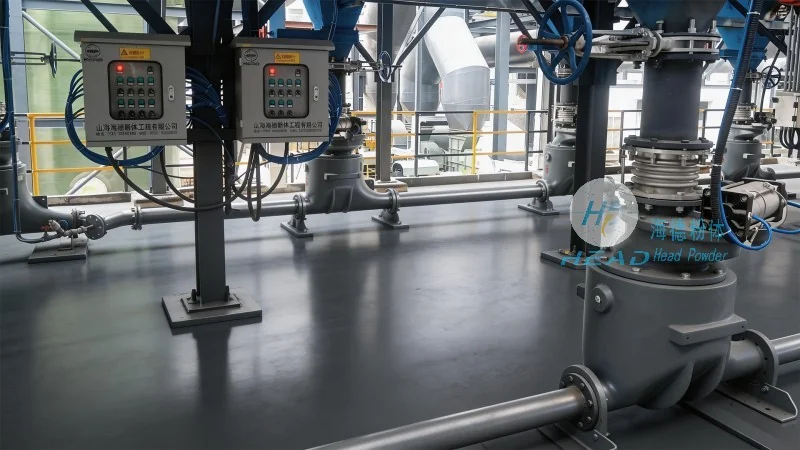
Before diving into specific methods, it's important to understand the fundamental principles behind cellulose conveying. The choice of method depends on factors such as material characteristics (e.g., moisture content, particle size, bulk density), distance to be covered, and the desired level of automation. Shandong HeadPowder Engineering Co., Ltd., a leading provider of material handling solutions based in China, specializes in designing and manufacturing equipment tailored to meet the unique needs of cellulose processing operations.
Screw Conveyors: A Traditional and Versatile Option
Screw conveyors, also known as auger conveyors, are among the most widely used methods for transporting cellulose materials. These systems consist of a rotating helical screw inside a trough, which moves material from the inlet to the discharge point through gravity and mechanical force. The primary advantage of screw conveyors is their ability to handle a wide range of materials, including those with varying moisture levels and particle sizes. They are also relatively simple in design, making them easy to install and maintain. However, screw conveyors have limitations when dealing with highly abrasive or fibrous cellulose, as the screw and trough can experience wear over time. Additionally, they are not suitable for long-distance transport due to the risk of material degradation and increased energy consumption.
Air-Pressure Conveying: Ideal for Fine or Dusty Cellulose
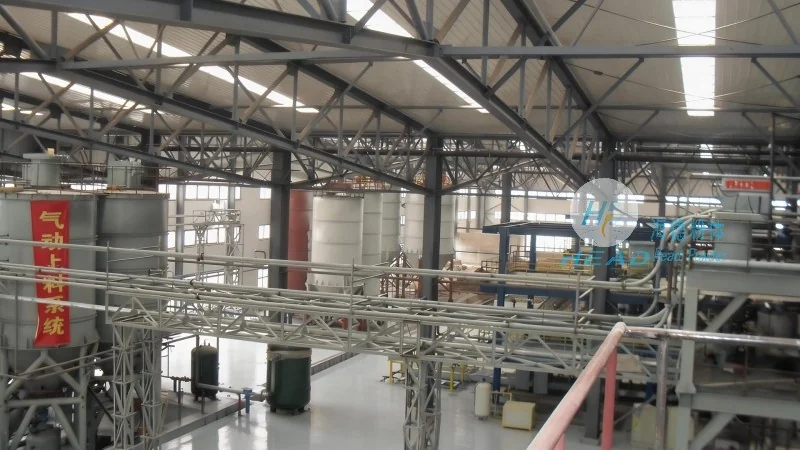
Air-pressure conveying, or pneumatic conveying, uses compressed air to transport cellulose particles through a pipeline. This method is particularly effective for fine or dusty cellulose, as it can handle materials with low bulk density and high moisture content. The main advantage of pneumatic conveying is its ability to transport materials over long distances with minimal loss and contamination. It also allows for easy integration with other processing equipment, such as filters and classifiers. However, pneumatic conveying systems require higher energy input compared to other methods, as they rely on compressed air. Furthermore, they can be prone to clogging if the material is too fibrous or contains large particles, which may require additional cleaning mechanisms.
Belt Conveyors: High-Capacity and Cost-Effective Solutions
Belt conveyors are another popular choice for cellulose transport, especially in applications requiring high throughput and long-distance movement. These systems consist of a continuous belt that moves material along a fixed path, supported by rollers or idlers. The primary advantage of belt conveyors is their high capacity and ability to handle large volumes of material efficiently. They are also relatively low-cost to install and maintain, making them an attractive option for many industries. However, belt conveyors are not suitable for fine or dusty cellulose, as the material can easily fall through the belt or cause it to slip. Additionally, they require regular maintenance to prevent belt wear and ensure proper alignment.
Comparison and Selection Criteria
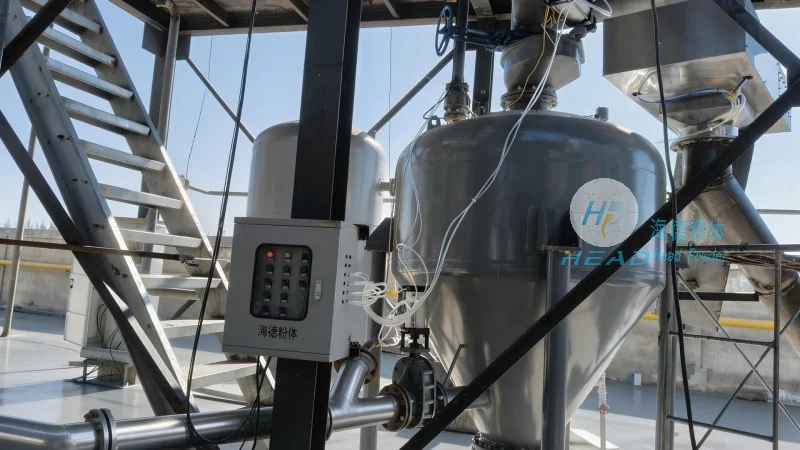
When choosing a cellulose conveying method, several factors must be considered to ensure optimal performance. The first criterion is the material's physical properties, such as particle size, moisture content, and bulk density. For example, screw conveyors are ideal for coarse, dry cellulose, while pneumatic conveying is better suited for fine or dusty materials. The second criterion is the distance to be covered; screw conveyors are best for short distances, while belt conveyors and pneumatic systems are more suitable for long distances. The third criterion is the required level of automation and control; some methods, like pneumatic conveying, offer more precise control over material flow. Finally, cost considerations, including initial investment and operational expenses, play a significant role in the decision-making process. Shandong HeadPowder Engineering Co., Ltd. offers a range of conveying solutions that can be customized to meet these specific criteria, ensuring that businesses select the most appropriate method for their operations.
Conclusion: Making the Right Choice for Cellulose Conveying
In conclusion, the choice of cellulose conveying method depends on a combination of factors, including material characteristics, distance, and operational requirements. Each method has its own set of advantages and disadvantages, and selecting the right one is critical for maintaining efficiency and minimizing costs. By understanding the unique needs of their cellulose processing operations, businesses can work with experts like Shandong HeadPowder Engineering Co., Ltd. to design and implement the most effective conveying system. Whether using screw conveyors, pneumatic systems, or belt conveyors, the goal is to ensure reliable, safe, and cost-effective transport of cellulose materials, supporting the smooth operation of industrial processes.

 Shandong Headpowder Engineering Co., Ltd.
 156-6277-7102(Quản lý Trương)
  0531-83386006
  Thành phố Tế Nam, Tỉnh Sơn Đông, Trung Quốc
Điện thoại
WeChatTư vấn
Lên đầu