Với hơn 10 năm kinh nghiệm về vận chuyển khí nén, Headpowder Sơn Đông cung cấp hệ thống, thiết bị và quạt gió toàn chuỗi, đảm nhận các dự án kỹ thuật bột trọn gói trên toàn quốc.
Quartz sand, a critical raw material in industries such as glass manufacturing, refractory production, and construction, demands efficient and reliable conveying systems to ensure seamless operational processes. The selection of a conveying method directly impacts factors like operational efficiency, cost-effectiveness, and product integrity. This article provides a comprehensive comparison of common quartz sand conveying methods, detailing their respective advantages and disadvantages, to assist industries in making informed decisions for their specific applications.
Introduction to Quartz Sand Conveying Systems
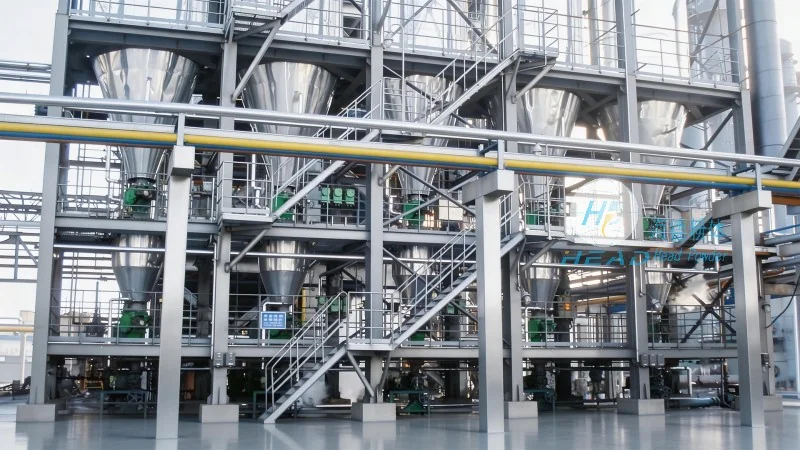
Quartz sand, primarily composed of silicon dioxide (SiO₂), is characterized by its abrasive nature and variable particle sizes. Effective conveying systems must handle these properties while minimizing material loss, contamination, and energy consumption. Several methods are widely used, each with unique characteristics that make them suitable for different scenarios. Understanding these methods is essential for optimizing production workflows and reducing downtime.
1. Belt Conveyor System
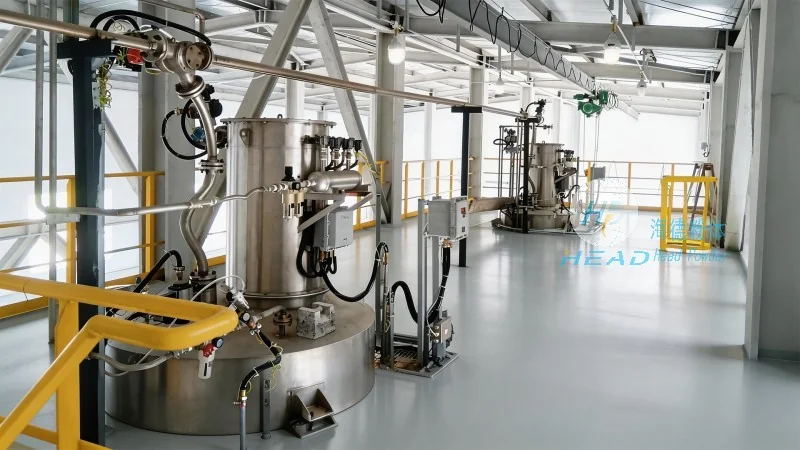
Belt conveyors are among the most prevalent and versatile solutions for quartz sand transport. They consist of a continuous belt looped over pulleys, with material placed on the belt and moved by friction. This method excels at handling large volumes over short to medium distances, making it ideal for bulk material handling in mining and processing facilities.
The primary advantages of belt conveyors include high capacity, low maintenance costs, and the ability to transport abrasive materials without significant wear. They are also suitable for horizontal and slight incline applications, offering flexibility in layout design. However, belt conveyors have limitations, particularly for vertical or steep incline transport due to high friction and energy requirements. Material buildup on the belt can cause uneven loading and potential damage to components. Regular inspection and maintenance are necessary to prevent belt slippage or breakage, which may lead to production interruptions.
2. Pneumatic Conveying System
Pneumatic conveying, or air-powered transport, utilizes compressed air to move quartz sand through pipelines. This method is particularly effective for transporting fine or dusty quartz sand, as it prevents material segregation and contamination. It is well-suited for applications requiring enclosed transport, such as in food processing or pharmaceutical industries where hygiene is paramount.
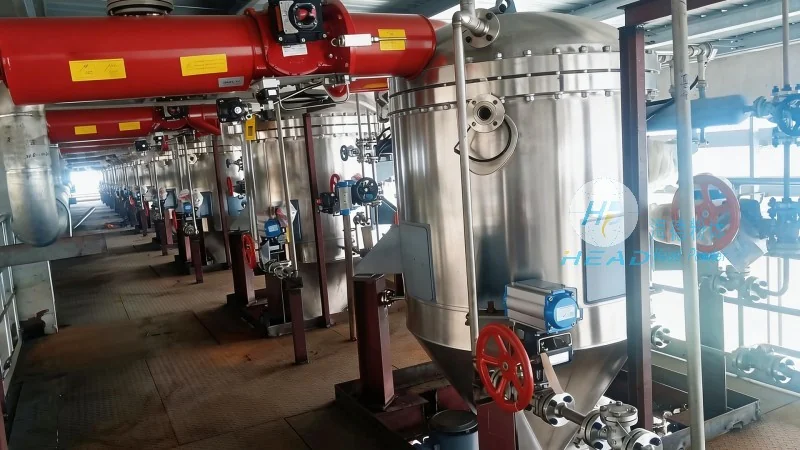
Key advantages of pneumatic systems include the ability to transport materials over long distances with minimal space requirements and the prevention of cross-contamination. They also integrate seamlessly with dust collection systems, making them suitable for handling hazardous or filterable powders. However, pneumatic systems have higher energy consumption compared to mechanical alternatives, as they rely on compressed air. The cost of air generation and regular filter maintenance adds to operational expenses. Long-distance transport may experience pressure drops, reducing conveying efficiency.
3. Screw Conveyor (Auger Conveyor)
Screw conveyors, or auger conveyors, use a rotating screw to move quartz sand along a trough. This method is effective for horizontal or slight incline transport and is particularly suited for handling bulk materials with moderate to high moisture content. Screw conveyors are compact and can be installed in confined spaces, making them ideal for applications with limited floor area.
Advantages of screw conveyors include simplicity, low cost, and the ability to handle a wide range of materials, including abrasive quartz sand. They are easy to install and maintain, with minimal moving parts. However, screw conveyors have lower capacity compared to belt or pneumatic systems and are less efficient for vertical transport. The rotating screw can cause material degradation, such as crushing or shearing, which may affect product quality. Additionally, the system experiences wear on the screw and trough, requiring periodic component replacement.
4. Bucket Elevator
Bucket elevators are vertical or steeply inclined conveyors that use a series of buckets attached to a chain or belt to transport quartz sand. This method is highly efficient for vertical transport and is commonly used in industries where material needs to be lifted to significant heights, such as in cement plants or grain elevators.
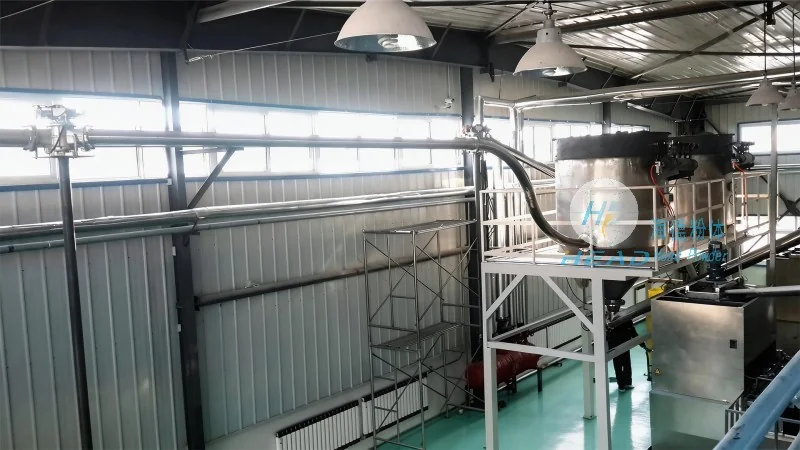
The advantages of bucket elevators include high vertical transport capacity, minimal space requirements, and the ability to handle abrasive materials without significant wear. They are also suitable for transporting materials with high moisture content, as buckets can be designed to prevent sticking. However, bucket elevators have higher initial costs compared to other systems and require more maintenance due to moving parts. The system is susceptible to material buildup in buckets, leading to uneven loading and potential structural damage.
Conclusion and Practical Recommendations
The optimal choice of quartz sand conveying method depends on factors like material characteristics, required transport distance, and operational environment. Belt conveyors are ideal for bulk horizontal transport, while pneumatic systems are suitable for enclosed, fine material handling. Screw conveyors are best for compact, horizontal applications, and bucket elevators are effective for vertical transport. Industries should weigh the advantages and disadvantages of each method to select the most cost-effective and efficient solution.
Shandong HeadPowder Engineering Co., Ltd., a leading manufacturer of quartz sand processing equipment, offers tailored conveying solutions to meet diverse industry needs. With extensive experience in the field, the company provides high-quality, reliable equipment designed to enhance operational efficiency and reduce maintenance costs. Whether you require a belt conveyor, pneumatic system, or screw conveyor, HeadPowder Engineering delivers solutions that align with your production requirements, ensuring optimal performance and longevity.

 Shandong Headpowder Engineering Co., Ltd.
 156-6277-7102(Quản lý Trương)
  0531-83386006
  Thành phố Tế Nam, Tỉnh Sơn Đông, Trung Quốc
Điện thoại
WeChatTư vấn
Lên đầu