Với hơn 10 năm kinh nghiệm về vận chuyển khí nén, Headpowder Sơn Đông cung cấp hệ thống, thiết bị và quạt gió toàn chuỗi, đảm nhận các dự án kỹ thuật bột trọn gói trên toàn quốc.
When it comes to the efficient handling and transportation of bead sand—a critical component in foundry processes—choosing the right conveying method is essential for maintaining production efficiency and product quality. Bead sand, also known as coated sand, is widely used in the casting industry due to its excellent properties like good flowability and reduced dust generation. However, the diverse nature of bead sand requires specialized conveying equipment to ensure safe and effective movement. This article provides a detailed comparison of common bead sand conveying methods, highlighting their advantages and disadvantages to help industrial operators make informed decisions.
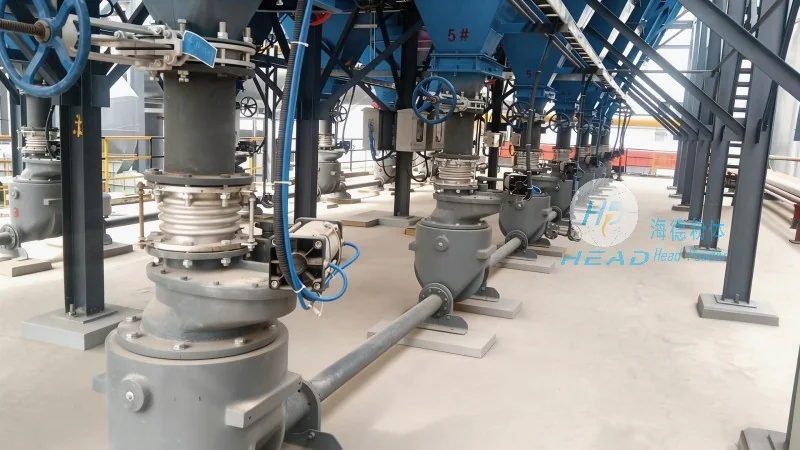
Screw Conveyors: A Traditional and Versatile Option
Screw conveyors, also known as auger conveyors, are one of the most widely used equipment for transporting bead sand. They consist of a rotating screw (auger) inside a trough, which moves material along the length of the conveyor. This method is particularly suitable for horizontal or slightly inclined applications, making it ideal for short to medium-distance transport within foundry facilities. The primary advantage of screw conveyors is their simplicity and reliability. They require minimal maintenance and can handle a wide range of bead sand types without causing excessive wear. Additionally, screw conveyors are relatively low-cost compared to other systems, making them an attractive option for smaller-scale operations. However, their limitations become apparent in applications requiring steep inclines or long distances. The friction between the screw and the trough can lead to increased energy consumption and potential material degradation over time. Moreover, screw conveyors are not well-suited for handling very fine or dusty bead sand, as the material may stick to the screw or the trough walls, reducing efficiency. In terms of safety, these conveyors can pose risks if not properly enclosed, as loose bead sand particles may become airborne and cause respiratory issues or other hazards.
Air-Powered Pneumatic Conveyors: High-Performance and Flexible Solutions
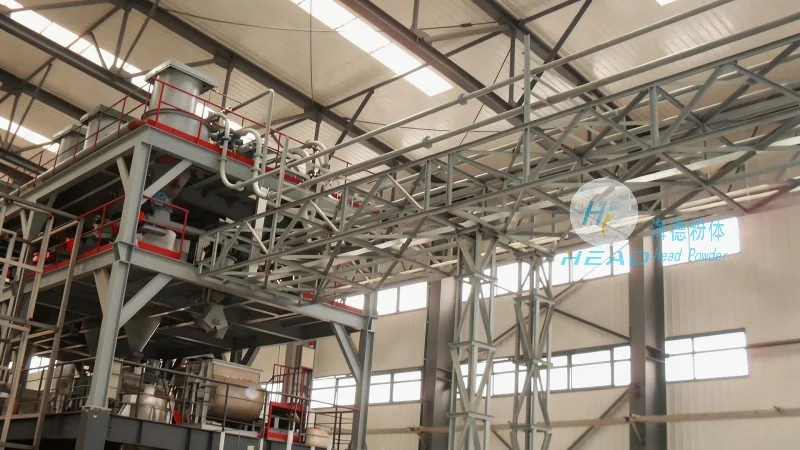
Air-powered or pneumatic conveyors use compressed air to transport bead sand through a pipeline system. This method is highly effective for long-distance and vertical transport, making it suitable for large-scale foundry operations where bead sand needs to be moved from one floor to another or across the entire plant. The main advantage of pneumatic conveyors is their ability to handle bead sand in a dust-free environment, which is crucial for maintaining air quality and preventing contamination. They are also capable of transporting bead sand at high speeds, reducing overall transport time. Another key benefit is their flexibility; the pipeline can be easily reconfigured to accommodate changes in production layout or to serve multiple destinations. However, pneumatic conveyors come with significant drawbacks. The most notable is their high energy consumption, as they require a constant supply of compressed air, which can increase operational costs. Additionally, the system is prone to clogging if the bead sand contains moisture or fine particles, leading to downtime and maintenance issues. The initial investment for pneumatic conveyors is also higher than for screw conveyors, as it involves purchasing air compressors and a complete pipeline network. Furthermore, the maintenance of pneumatic systems is more complex, as it requires regular checks on air filters, valves, and the pipeline for leaks. Despite these challenges, pneumatic conveyors remain a popular choice for large-scale bead sand transport due to their efficiency and ability to handle complex transport routes.
Bucket Elevators: Vertical Transport with High Capacity
Bucket elevators are specifically designed for vertical transport of bead sand and are commonly used in foundries where material needs to be lifted from ground level to elevated storage or processing areas. These conveyors consist of a continuous chain with buckets attached, which moves the bead sand upward as the chain rotates. The primary advantage of bucket elevators is their high capacity and ability to handle large volumes of bead sand efficiently. They are ideal for applications requiring vertical transport over significant heights, such as moving bead sand from a storage silo to a molding machine. Another key benefit is their reliability; once installed, they require minimal maintenance and can operate continuously without interruption. However, bucket elevators have several limitations. The most significant is their fixed vertical orientation, which restricts their use to vertical transport only. They are not suitable for horizontal or inclined movement, limiting their application scope. Additionally, the system can be noisy due to the rotating chain and buckets, which may require soundproofing measures in some industrial settings. The initial cost of bucket elevators is also relatively high compared to other conveying methods, as they involve specialized components like buckets, chains, and drive mechanisms. Maintenance of bucket elevators also includes regular inspection of the chain and buckets for wear and tear, as well as ensuring proper alignment to prevent material spillage. Despite these drawbacks, bucket elevators are indispensable for vertical bead sand transport in many foundry operations, offering a reliable and efficient solution for high-capacity applications.
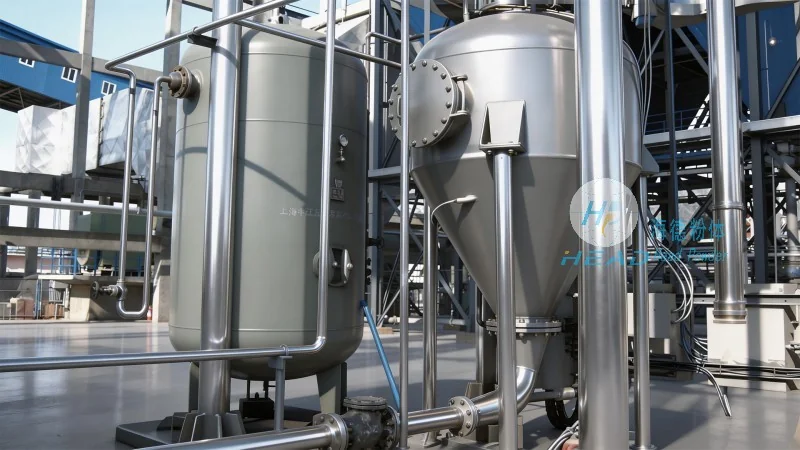
Scrapers and Belt Conveyors: Versatile for Bulk Handling
Scrapers and belt conveyors are another category of bead sand conveying equipment, particularly useful for handling bulk quantities of material in foundries. Belt conveyors use a continuous belt to transport bead sand horizontally or at a slight incline, while scrapers employ a moving blade to push material along a trough. Both methods are effective for short to medium-distance transport and are often used in conjunction with other equipment like storage silos or mixers. The main advantage of these systems is their ability to handle large volumes of bead sand with minimal energy consumption. They are also relatively simple to operate and maintain, making them suitable for smaller foundries with limited technical resources. Another benefit is their adaptability; belt conveyors can be equipped with various accessories like side walls or load cells to enhance functionality. However, scrapers and belt conveyors have their own set of challenges. Belt conveyors are susceptible to material buildup on the belt surface, which can reduce efficiency and cause damage over time. Regular cleaning and maintenance are required to prevent this issue. Scrapers, on the other hand, may cause wear on the trough walls due to the constant friction between the blade and the material, leading to increased maintenance costs. Additionally, both systems are not ideal for vertical transport, as they are primarily designed for horizontal movement. The initial investment for these conveyors is moderate, but the long-term operational costs can be higher due to the need for frequent maintenance and replacement of components. Despite these limitations, scrapers and belt conveyors remain a popular choice for bulk bead sand handling due to their simplicity and effectiveness in handling large quantities of material.
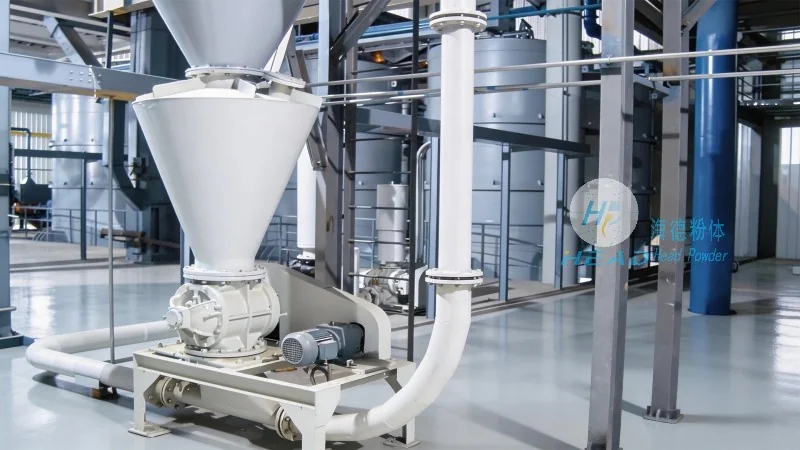
Choosing the Right Conveying Method for Your Foundry
When selecting a bead sand conveying method, several factors must be considered to ensure optimal performance and cost-effectiveness. The first and most critical factor is the distance and direction of transport—whether the bead sand needs to be moved horizontally, vertically, or at an angle. For short horizontal distances, screw conveyors or belt conveyors may be sufficient, while pneumatic conveyors are better suited for long-distance or vertical transport. The second factor is the volume and type of bead sand being handled. If the bead sand is fine or dusty, pneumatic conveyors are preferable to prevent contamination. For large volumes of bulk material, belt conveyors or scrapers may be more appropriate. The third factor is the budget and maintenance capabilities of the foundry. Screw conveyors are cost-effective and low-maintenance, making them ideal for smaller operations, whereas pneumatic conveyors require higher initial investment and more complex maintenance. The fourth factor is the safety and environmental considerations. Enclosed systems like screw conveyors or pneumatic conveyors are better for dust control and worker safety compared to open systems like belt conveyors. Ultimately, the choice of conveying method should align with the specific needs of the foundry, balancing efficiency, cost, and operational requirements. By carefully evaluating these factors, foundry operators can select the most suitable bead sand conveying method to enhance productivity and ensure consistent quality in their casting processes.
HeadPowder, a leading manufacturer of bead sand and related equipment, understands the importance of choosing the right conveying system for bead sand transport. With decades of experience in the foundry industry, HeadPowder offers a range of conveying solutions tailored to meet the diverse needs of its clients. The company’s products are designed to provide reliable and efficient transport of bead sand, ensuring that foundries can maintain high production standards while minimizing operational costs. Whether you need a screw conveyor for short-distance transport or a pneumatic system for long-distance handling, HeadPowder provides high-quality equipment backed by expert technical support. HeadPowder is committed to delivering solutions that enhance the efficiency and safety of bead sand handling in foundries worldwide. With its headquarters in Shandong, China, HeadPowder continues to be a trusted partner for foundry operators seeking to optimize their bead sand conveying processes.

 Shandong Headpowder Engineering Co., Ltd.
 156-6277-7102(Quản lý Trương)
  0531-83386006
  Thành phố Tế Nam, Tỉnh Sơn Đông, Trung Quốc
Điện thoại
WeChatTư vấn
Lên đầu