Với hơn 10 năm kinh nghiệm về vận chuyển khí nén, Headpowder Sơn Đông cung cấp hệ thống, thiết bị và quạt gió toàn chuỗi, đảm nhận các dự án kỹ thuật bột trọn gói trên toàn quốc.
When it comes to handling and transporting bentonite, selecting the right conveying method is crucial for efficiency, cost-effectiveness, and operational safety. Bentonite, a versatile clay used in various industries such as construction, oil and gas, and environmental remediation, requires specialized transport solutions to maintain its quality and prevent degradation. This article provides a detailed comparison of common bentonite conveying methods, examining their advantages and disadvantages to help businesses make informed decisions.
Introduction to Bentonite Conveying
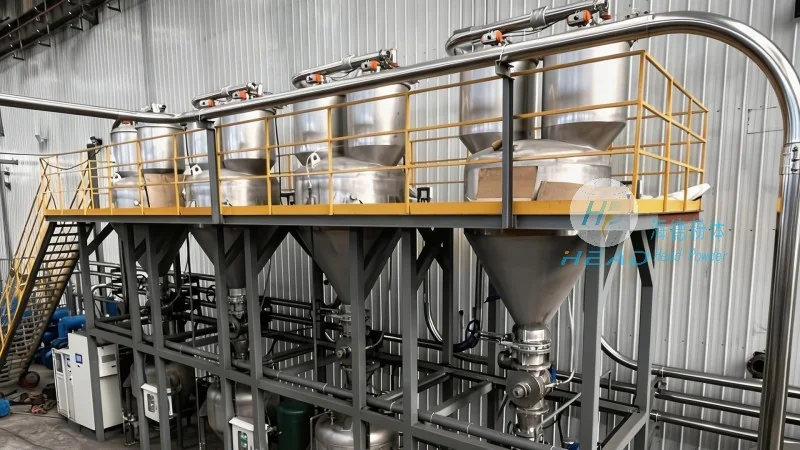
Bentonite is a natural clay composed primarily of montmorillonite, which gives it unique properties like high swelling capacity and excellent thixotropy. These characteristics make it essential in applications ranging from drilling muds to foundry sands and soil stabilization. However, the delicate nature of bentonite means that improper handling during transport can lead to clumping, loss of moisture, or contamination. Therefore, understanding the strengths and weaknesses of different conveying methods is vital for maintaining product integrity and optimizing workflow.
Pipeline Conveying: A Mature and Efficient Option
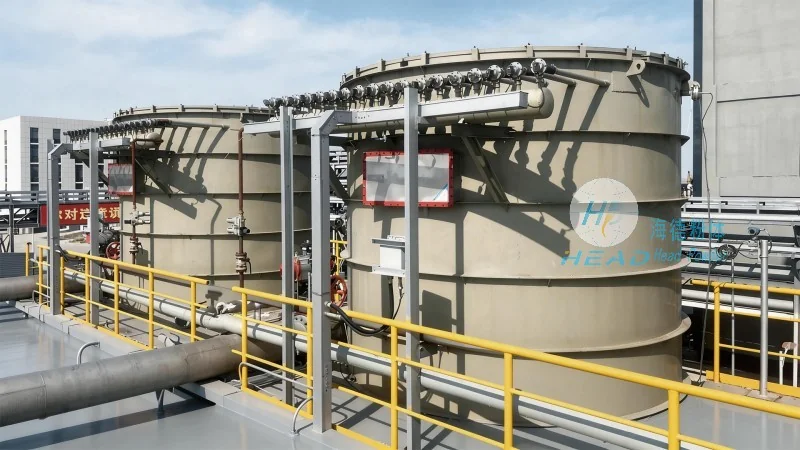
Pipeline conveying, also known as slurry pipeline transport, is a widely used method for moving bentonite in bulk. This technique involves pumping a bentonite slurry through a closed pipeline system, typically under pressure. The process is continuous and can handle large volumes with minimal labor. One of the key advantages of pipeline conveying is its ability to maintain a consistent flow rate, which helps in controlling the moisture content and preventing segregation of the bentonite particles. Additionally, it reduces the risk of dust exposure and environmental contamination compared to open systems.
However, pipeline conveying has its limitations. The initial investment for pipeline infrastructure, including pipes, pumps, and control systems, can be substantial. Maintenance costs are also higher due to the need for regular cleaning and inspection to prevent clogging or corrosion. Moreover, the system is less flexible in terms of route changes, as altering the pipeline layout requires significant engineering and downtime. For companies with existing pipeline networks, this method is often cost-effective, but for those with limited infrastructure, the upfront costs may be a barrier.
Screw Conveyors: Versatile and Low-Maintenance Solutions
Screw conveyors, or auger conveyors, are another common method for transporting bentonite, especially in smaller-scale operations or where vertical lifting is required. These devices consist of a rotating screw inside a trough, which moves the material along the conveyor. Screw conveyors are relatively simple in design, making them easy to install and maintain. They are particularly useful for handling dry or semi-dry bentonite, as they can be adjusted to control the speed and angle of material movement.
The advantages of screw conveyors include their low operating costs and minimal space requirements. They are also suitable for transporting bentonite in a controlled environment, reducing the risk of dust dispersion. However, screw conveyors have their drawbacks. They are less efficient for high-volume transport and can cause particle degradation due to friction and compression. The risk of clogging is higher with wet or highly cohesive bentonite, as the screw may not be able to move the material effectively. Additionally, the conveyor speed is limited, which can lead to longer processing times for large batches.
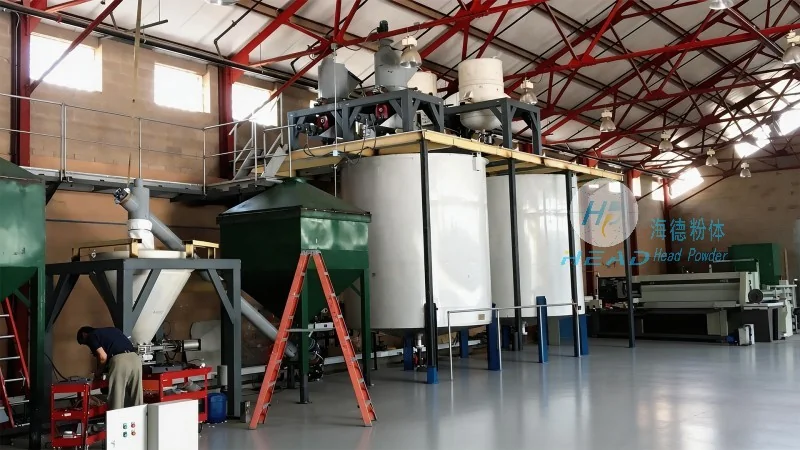
Air Conveying: High-Speed but Sensitive to Moisture
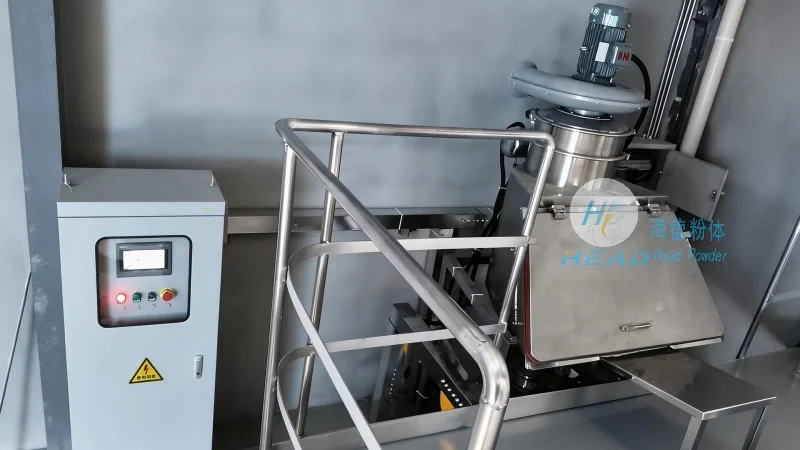
Air conveying, or pneumatic transport, uses compressed air to move bentonite through a pipeline. This method is ideal for applications requiring rapid transport over short to medium distances. The process involves feeding the bentonite into a hopper, where it is mixed with air and then transported through a series of pipes. Air conveying offers the advantage of high speed and the ability to transport materials in a closed system, which minimizes dust and contamination.
However, air conveying has significant limitations, particularly for bentonite. The method is highly sensitive to moisture content, as excess water can cause the bentonite to clump and block the air flow. This can lead to system downtime and increased maintenance costs. Additionally, the equipment is more complex and expensive compared to other methods, with higher energy consumption due to the need for compressed air. The system also requires careful control of air pressure and flow rate to prevent material degradation or equipment damage.
Comparison Summary: Choosing the Right Method
When selecting a bentonite conveying method, businesses must consider several factors, including the scale of operation, the type of bentonite (dry vs. wet), the distance to be covered, and the available budget. Pipeline conveying is best suited for large-scale, long-distance transport with existing infrastructure. Screw conveyors are ideal for smaller operations or where vertical movement is needed, offering low maintenance and cost. Air conveying is suitable for rapid transport over short distances but requires careful moisture control and higher energy input.
Ultimately, the choice of conveying method depends on balancing operational efficiency with cost-effectiveness and product quality. Companies should evaluate their specific needs and consult with experts to determine the most appropriate solution. By understanding the advantages and disadvantages of each method, businesses can optimize their bentonite handling processes and ensure consistent performance.

 Shandong Headpowder Engineering Co., Ltd.
 156-6277-7102(Quản lý Trương)
  0531-83386006
  Thành phố Tế Nam, Tỉnh Sơn Đông, Trung Quốc
Điện thoại
WeChatTư vấn
Lên đầu