Với hơn 10 năm kinh nghiệm về vận chuyển khí nén, Headpowder Sơn Đông cung cấp hệ thống, thiết bị và quạt gió toàn chuỗi, đảm nhận các dự án kỹ thuật bột trọn gói trên toàn quốc.
When it comes to handling and transporting glutinous rice flour, selecting the right conveying method is crucial for maintaining product quality, efficiency, and operational costs. Shandong HeadPowder Engineering Co., Ltd., a leading provider in the field, offers insights into the most common methods used for this purpose, along with their respective advantages and disadvantages.
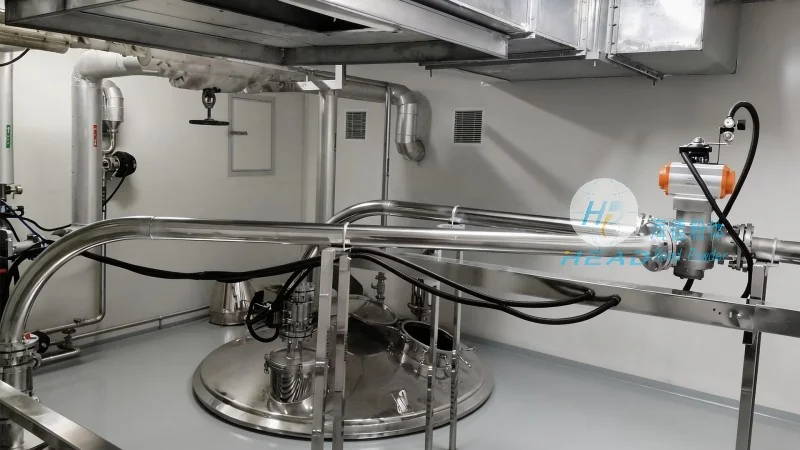
1. Screw Conveyor (Auger Conveyor)
Screw conveyors are among the most widely used equipment for transporting bulk materials, including glutinous rice flour. This method utilizes a rotating helical screw inside a trough to move the material forward. The primary advantage of screw conveyors is their simplicity and low maintenance requirements. They are particularly effective for horizontal or slightly inclined transport, making them suitable for short to medium distances. However, a significant drawback is their limited capacity for handling highly abrasive or sticky materials, which can lead to increased wear and tear on the screw and trough. For glutinous rice flour, which can be somewhat sticky, this may result in clogging or reduced efficiency over time. Additionally, screw conveyors may not be ideal for vertical lifting due to the risk of material degradation or increased power consumption.
2. Pneumatic Conveying System
Pneumatic conveying systems use air pressure to transport materials through a pipeline. This method is highly effective for transporting glutinous rice flour over longer distances and even vertically. One of the main advantages is the ability to maintain product integrity, as the material is enclosed within the pipeline, minimizing exposure to contaminants or environmental factors. Pneumatic systems also offer flexibility in terms of layout, allowing for complex routes and multiple destinations. However, the cost of installation and maintenance can be higher compared to other methods. Furthermore, the system requires a consistent air supply and may experience pressure drops over long distances, potentially affecting throughput. Another consideration is the need for proper filtration to prevent dust accumulation in the system, which could impact performance and safety.
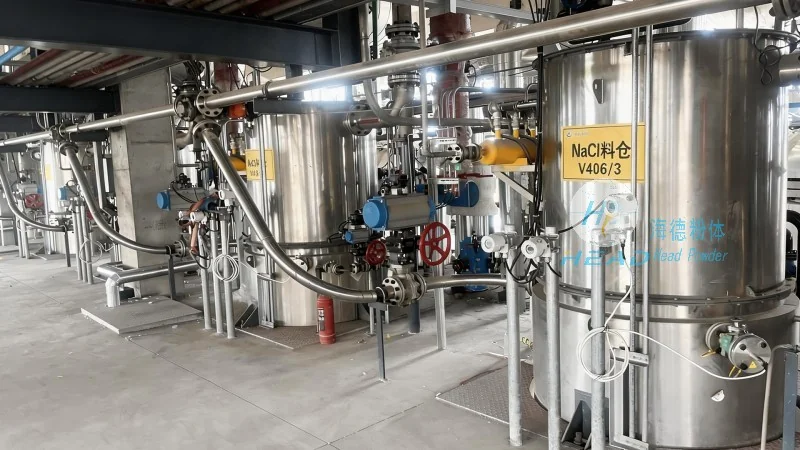
3. Belt Conveyor
Belt conveyors are commonly used in bulk material handling, including the transport of glutinous rice flour. This method involves a continuous belt moving over rollers or pulleys to transport the material. The primary advantage is their high capacity and ability to handle large volumes of material efficiently. Belt conveyors are also suitable for long-distance transport and can be adapted for both horizontal and inclined applications. However, they require more space and may have higher initial costs compared to screw or pneumatic systems. Maintenance is also a factor, as the belt and rollers need regular inspection and replacement to prevent breakdowns. For glutinous rice flour, which can be prone to sticking, the belt may require special coatings or cleaning mechanisms to ensure smooth operation and prevent material buildup.
4. Bucket Elevator
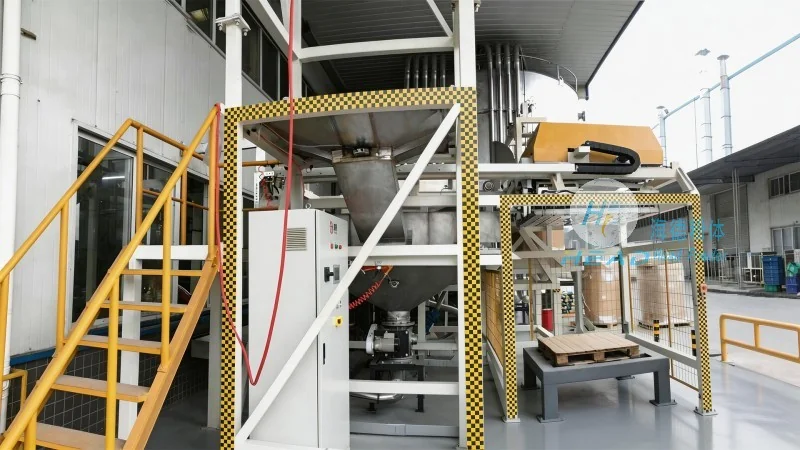
Bucket elevators are designed specifically for vertical lifting of bulk materials, making them a viable option for transporting glutinous rice flour from lower to higher levels. The system consists of a series of buckets attached to a belt or chain that moves within a vertical housing. The main advantage is the ability to lift materials vertically with high efficiency and minimal space requirements. This is particularly useful in facilities where vertical space is limited. However, bucket elevators can be more complex and expensive to install compared to other methods. They also require careful maintenance to ensure the buckets remain properly aligned and the drive system operates smoothly. Additionally, the speed of the elevator may affect the quality of the material, as excessive vibration or impact could lead to degradation of the flour.
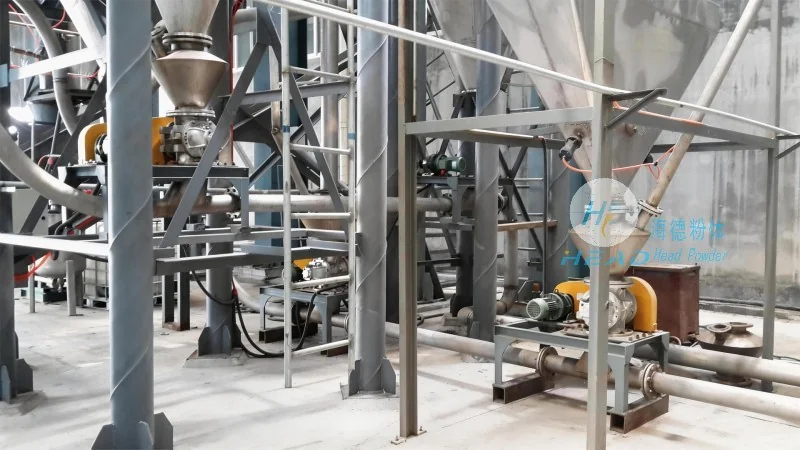
5. Vibrating Conveyor
Vibrating conveyors use vibrations to move materials along a trough. This method is suitable for transporting glutinous rice flour, especially when dealing with materials that are prone to bridging or clogging. The primary advantage is the ability to handle sticky or cohesive materials without the need for excessive force or mechanical parts that might cause damage. Vibrating conveyors can also be designed to operate at various speeds and angles, providing flexibility in different applications. However, they may have lower throughput compared to other methods, and the vibration can sometimes cause noise and wear on the equipment over time. Proper alignment and maintenance of the vibration mechanism are crucial to ensure consistent performance and prevent operational issues.
Choosing the Right Conveying Method for Glutinous Rice Flour
When selecting a conveying method for glutinous rice flour, several factors must be considered, including the volume of material to be transported, the distance and layout of the facility, the desired product quality, and budget constraints. Shandong HeadPowder Engineering Co., Ltd. specializes in providing customized conveying solutions tailored to the specific needs of clients. By evaluating the advantages and disadvantages of each method, businesses can make informed decisions that optimize their operations while maintaining the quality of their glutinous rice flour products. Whether opting for a screw conveyor for short horizontal transport or a pneumatic system for long-distance vertical lifting, the goal is to select a method that balances efficiency, cost-effectiveness, and product integrity.

 Shandong Headpowder Engineering Co., Ltd.
 156-6277-7102(Quản lý Trương)
  0531-83386006
  Thành phố Tế Nam, Tỉnh Sơn Đông, Trung Quốc
Điện thoại
WeChatTư vấn
Lên đầu