Với hơn 10 năm kinh nghiệm về vận chuyển khí nén, Headpowder Sơn Đông cung cấp hệ thống, thiết bị và quạt gió toàn chuỗi, đảm nhận các dự án kỹ thuật bột trọn gói trên toàn quốc.
CaC2 purification ash, a byproduct from the production of calcium carbide, requires efficient and reliable conveying methods to ensure smooth operation in industrial processes. The choice of conveying system significantly impacts productivity, safety, and overall operational costs. This article explores common methods for transporting CaC2 purification ash, with a particular focus on air-pneumatic conveying systems, which have become increasingly popular due to their advantages in handling fine powders and abrasive materials.
Introduction to CaC2 Purification Ash and Conveying Challenges
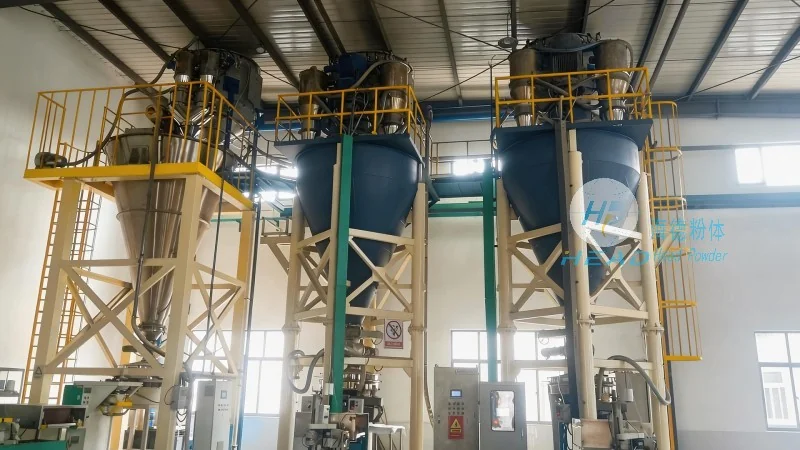
Calcium carbide (CaC2) is produced through the reaction of calcium oxide and carbon in an electric arc furnace. During the purification process, ash residues accumulate and need to be removed from the production line. These residues are typically fine, dry powders with high abrasiveness, making traditional gravity or mechanical conveying methods less suitable. The primary challenges in conveying CaC2 purification ash include preventing dust generation, minimizing material degradation, ensuring consistent flow rates, and maintaining system cleanliness. These factors necessitate specialized equipment and techniques to achieve optimal performance.
Overview of Common Conveying Methods for CaC2 Purification Ash
Several methods are employed to transport CaC2 purification ash, each with distinct characteristics and applications. The most common approaches include mechanical conveyors, pneumatic conveying systems, and hybrid solutions. Mechanical conveyors, such as belt conveyors or screw conveyors, are widely used for bulk material handling but may struggle with fine powders and abrasive materials, leading to increased wear and maintenance costs. Pneumatic conveying, on the other hand, offers a more flexible and efficient solution, especially for high-volume, low-density powders like CaC2 purification ash.
Air-Pneumatic Conveying: A Detailed Analysis
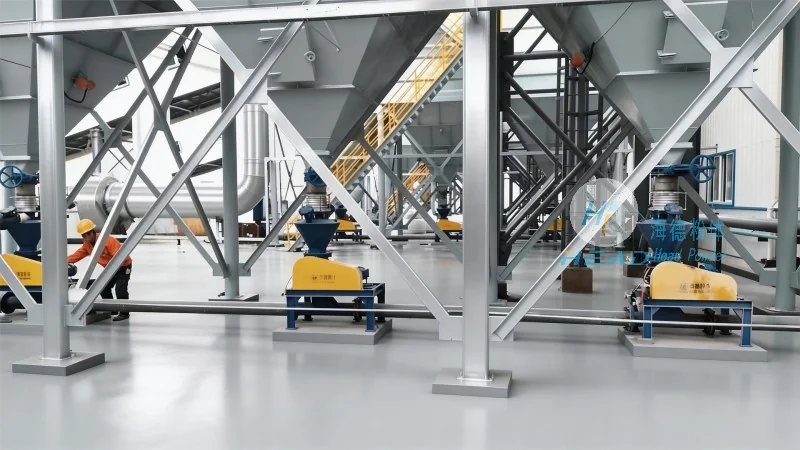
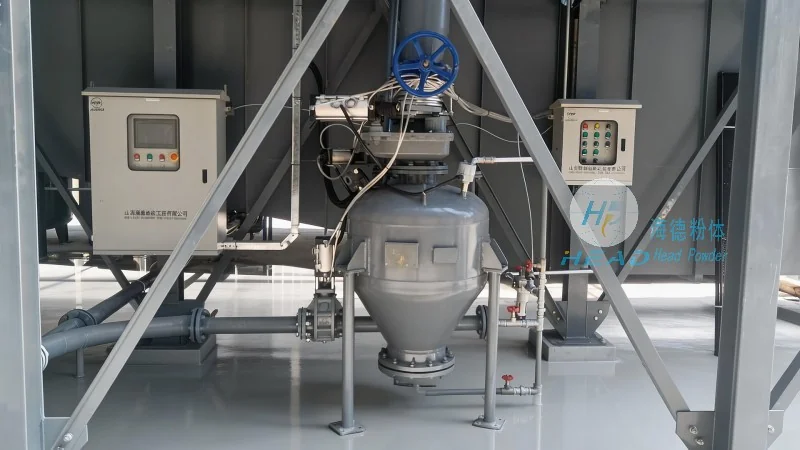
Air-pneumatic conveying systems utilize compressed air to transport materials through a pipeline network. This method is particularly effective for CaC2 purification ash due to its ability to handle fine particles and abrasive materials without causing excessive wear on equipment. The system typically consists of a hopper, a rotary airlock valve, a pipeline, and a receiver. The material is fed into the hopper, where it is then drawn into the pipeline by the pressure differential created by the compressed air. The air and material mixture travels through the pipeline to the receiver, where the material is separated from the air and collected.
The advantages of air-pneumatic conveying for CaC2 purification ash are multifaceted. Firstly, it eliminates the need for mechanical components in contact with the material, reducing wear and extending equipment lifespan. Secondly, it provides a dust-free operation, which enhances workplace safety and compliance with environmental regulations. Thirdly, the system can handle high volumes of material with consistent flow rates, improving overall production efficiency. Additionally, air-pneumatic conveying allows for flexible routing of the pipeline, enabling easy integration into existing production lines without major structural modifications.
Key Components of an Air-Pneumatic Conveying System for CaC2 Purification Ash
Several critical components contribute to the effective operation of an air-pneumatic conveying system for CaC2 purification ash. The hopper serves as the storage and feeding unit, ensuring a consistent supply of material to the system. The rotary airlock valve, positioned at the discharge of the hopper, regulates the flow of material into the pipeline, preventing backflow and maintaining pressure stability. The pipeline network, typically made of stainless steel or other corrosion-resistant materials, is designed to withstand the abrasive nature of CaC2 purification ash. The receiver, located at the end of the pipeline, collects the conveyed material and may include a dust collection system to ensure environmental compliance. Compressed air is supplied by an air compressor, which maintains the necessary pressure to drive the material through the system.
Advantages and Considerations for Air-Pneumatic Conveying
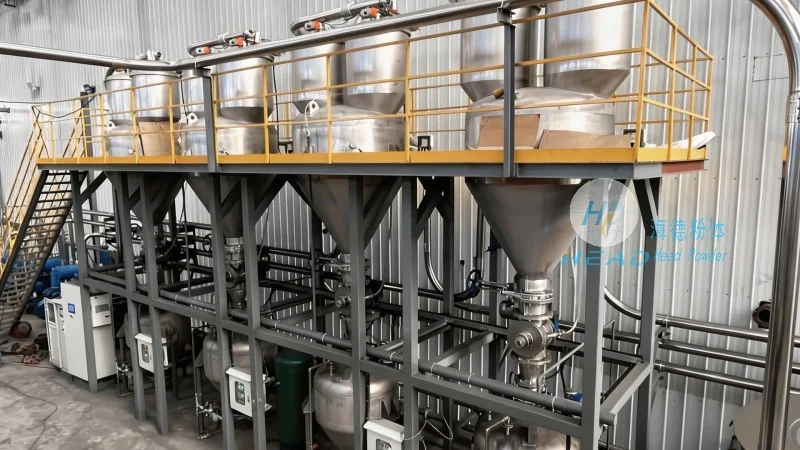
While air-pneumatic conveying offers significant benefits, it also has considerations that must be addressed. The primary drawback is the higher energy consumption compared to mechanical conveyors, as compressed air requires continuous power. However, this is often offset by reduced maintenance costs and increased efficiency. Another consideration is the need for proper filtration and air treatment to prevent dust accumulation and ensure clean air discharge. Additionally, the system's performance is highly dependent on the particle size and moisture content of the material, which must be carefully managed to avoid blockages or reduced conveying efficiency.
Application Examples and Case Studies
HeadPowder, a leading provider of industrial conveying solutions, has successfully implemented air-pneumatic conveying systems for CaC2 purification ash in various industrial settings. For instance, a calcium carbide manufacturer in Shandong, China, installed a HeadPowder air-pneumatic system to transport 10 tons of purification ash per hour. The system demonstrated a 30% reduction in maintenance costs compared to traditional screw conveyors and improved dust control, leading to a safer working environment. Another case involved a chemical plant that integrated a HeadPowder conveying system into an existing production line, achieving seamless material transfer with minimal downtime. These examples highlight the effectiveness and reliability of air-pneumatic conveying for CaC2 purification ash, making it a preferred choice for many industries.
Conclusion and Recommendations
In conclusion, air-pneumatic conveying is a highly effective method for transporting CaC2 purification ash, offering advantages in efficiency, safety, and flexibility. While mechanical conveyors may still be suitable for certain applications, the increasing demand for dust-free and low-maintenance systems has driven the adoption of air-pneumatic solutions. For industries handling CaC2 purification ash, investing in a well-designed air-pneumatic conveying system can lead to improved productivity, reduced operational costs, and enhanced workplace safety. HeadPowder, with its expertise in industrial conveying technologies, provides comprehensive solutions tailored to the specific needs of CaC2 manufacturers, ensuring optimal performance and long-term reliability.

 Shandong Headpowder Engineering Co., Ltd.
 156-6277-7102(Quản lý Trương)
  0531-83386006
  Thành phố Tế Nam, Tỉnh Sơn Đông, Trung Quốc
Điện thoại
WeChatTư vấn
Lên đầu