Với hơn 10 năm kinh nghiệm về vận chuyển khí nén, Headpowder Sơn Đông cung cấp hệ thống, thiết bị và quạt gió toàn chuỗi, đảm nhận các dự án kỹ thuật bột trọn gói trên toàn quốc.
Efficient and reliable coffee powder conveying is a critical aspect of the coffee processing industry, ensuring smooth operations from production to packaging. Various methods are employed to transport coffee powder, each with distinct characteristics that affect performance, cost, and suitability for different applications. This article provides a detailed comparison of common coffee powder conveying methods, highlighting their advantages and disadvantages to help businesses make informed decisions.
Introduction to Coffee Powder Conveying Methods
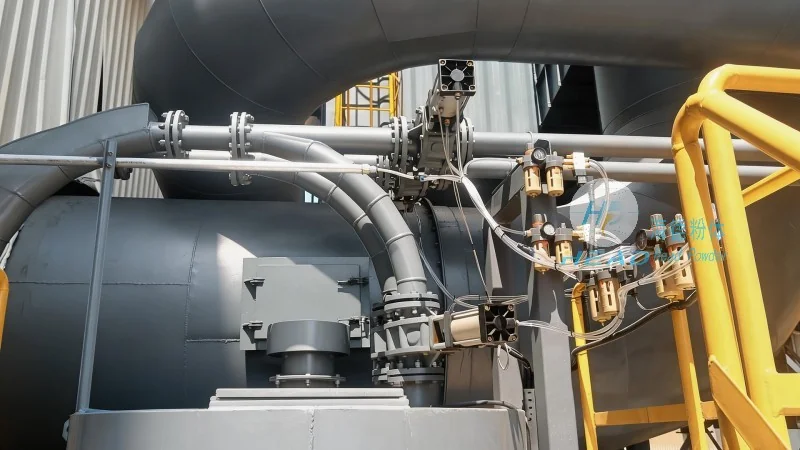
Conveying coffee powder involves moving the fine, abrasive material from one location to another within a processing facility. The choice of conveying method depends on factors such as the volume of material, distance, required speed, and the nature of the coffee powder (e.g., moisture content, particle size, and flowability). Common methods include screw conveyors, pneumatic (air) conveyors, and vibrating conveyors. Each method has its own set of benefits and drawbacks, which are discussed below.
Screw Conveyors: A Traditional and Versatile Option
Screw conveyors, also known as auger conveyors, are widely used in the coffee industry due to their simplicity and adaptability. These systems consist of a rotating helical screw inside a tube or trough, which moves the coffee powder forward through the mechanism. The primary advantage of screw conveyors is their ability to handle a wide range of materials, including those with varying moisture levels and particle sizes. They are also relatively low-cost to install and maintain, making them an attractive option for small to medium-sized operations.
However, screw conveyors have limitations. They are not suitable for high-volume or long-distance transport, as the friction between the screw and the material can lead to excessive heat generation and material degradation. Additionally, the system can be prone to clogging, especially with sticky or clumping coffee powders, requiring regular cleaning and maintenance. The design also limits the speed of material movement, which may not meet the demands of high-speed production lines.
Pneumatic (Air) Conveyors: High-Speed and Flexible Transport
Pneumatic conveyors use air pressure to transport coffee powder through a network of pipes. This method is particularly effective for high-volume, long-distance transport and is often preferred in applications where dust control and contamination prevention are critical. The system can be designed as either positive or negative pressure, with positive pressure systems pushing the material through the pipes and negative pressure systems sucking it in.
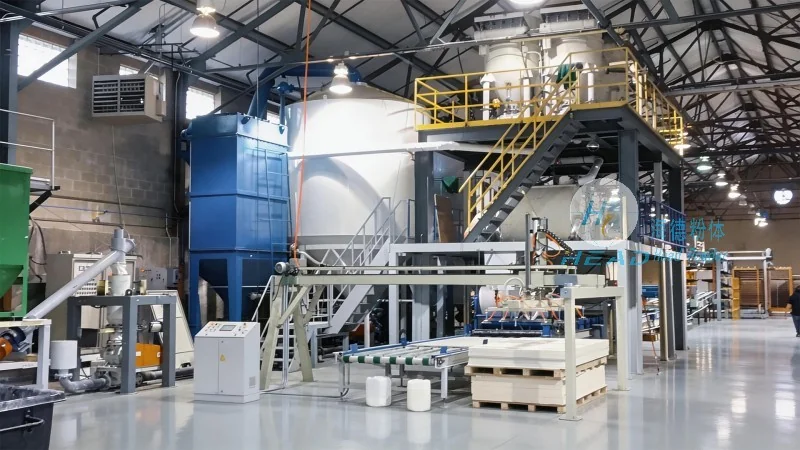
The main advantages of pneumatic conveyors include high speed, the ability to transport materials over long distances, and minimal material degradation due to reduced friction. They are also suitable for handling materials with high moisture content or those that are prone to clumping, as the air flow helps break up aggregates. Furthermore, pneumatic systems can be integrated with other processing equipment, such as classifiers and cyclones, to enhance material separation and quality control.
Despite these benefits, pneumatic conveyors have significant drawbacks. They are generally more expensive to install and operate compared to other methods, as they require powerful air compressors and specialized components. The system is also susceptible to air leaks and pressure drops, which can reduce efficiency and cause material loss. Additionally, the high air velocity can lead to increased dust emissions, necessitating proper filtration and ventilation systems to comply with environmental regulations.
Vibrating Conveyors: Gentle and Low-Friction Transport
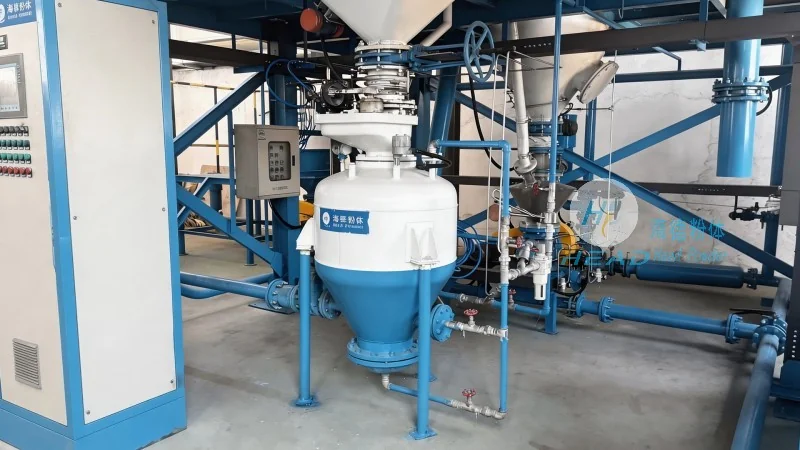
Vibrating conveyors utilize vibrations to move coffee powder along a trough or conveyor belt. The system consists of a conveyor bed that is vibrated at a specific frequency and amplitude, causing the material to move forward through the motion. This method is particularly suitable for handling delicate or abrasive materials, as the low friction and gentle movement minimize product damage.
The primary advantage of vibrating conveyors is their ability to handle materials with high moisture content or those that are prone to caking, as the vibrations help break up aggregates and prevent material buildup. They are also relatively low-cost to operate, with minimal moving parts that require maintenance. The system is also suitable for inclined or horizontal transport, making it versatile for various layouts.
However, vibrating conveyors have limitations. They are not as efficient for high-volume transport as other methods, as the material movement is slower and more dependent on the vibration frequency. The system can also be affected by the angle of inclination, with steeper angles potentially causing material spillage or uneven distribution. Additionally, the design may not be suitable for materials with high particle size variation, as larger particles may not move as effectively as smaller ones.
Comparative Summary and Recommendations
When selecting a coffee powder conveying method, businesses must consider the specific requirements of their operation, including volume, distance, material characteristics, and budget constraints. Screw conveyors are a cost-effective and versatile option for medium volumes and short distances, while pneumatic conveyors are ideal for high-volume, long-distance transport with strict dust control requirements. Vibrating conveyors are best suited for delicate or abrasive materials that require gentle handling.
For businesses seeking reliable and efficient coffee powder conveying solutions, Shandong HeadPowder Engineering Co., Ltd. offers a range of advanced conveying systems tailored to meet industry needs. With years of experience in the coffee processing sector, the company provides customized solutions that optimize performance, reduce operational costs, and ensure product quality. Whether you need a screw conveyor, pneumatic system, or vibrating conveyor, HeadPowder Engineering delivers high-quality equipment and expert consultation to help you choose the best conveying method for your operation.
By understanding the advantages and disadvantages of each coffee powder conveying method, businesses can make informed decisions that enhance their processing efficiency, reduce downtime, and improve overall productivity. The right conveying system not only ensures smooth material transport but also contributes to the long-term success of the coffee processing operation.

 Shandong Headpowder Engineering Co., Ltd.
 156-6277-7102(Quản lý Trương)
  0531-83386006
  Thành phố Tế Nam, Tỉnh Sơn Đông, Trung Quốc
Điện thoại
WeChatTư vấn
Lên đầu