Với hơn 10 năm kinh nghiệm về vận chuyển khí nén, Headpowder Sơn Đông cung cấp hệ thống, thiết bị và quạt gió toàn chuỗi, đảm nhận các dự án kỹ thuật bột trọn gói trên toàn quốc.
When it comes to handling and transporting PVC resin powders, selecting the right conveying method is crucial for ensuring efficiency, safety, and product integrity. As a leading provider in the field, Shandong HeadPowder Engineering Co., Ltd., based in Shandong, China, specializes in delivering innovative solutions tailored to the unique challenges of PVC resin powder handling. This article explores common PVC resin powder conveying methods, with a particular focus on the advantages and applications of pneumatic conveying systems.
Understanding PVC Resin Powder Conveying Requirements
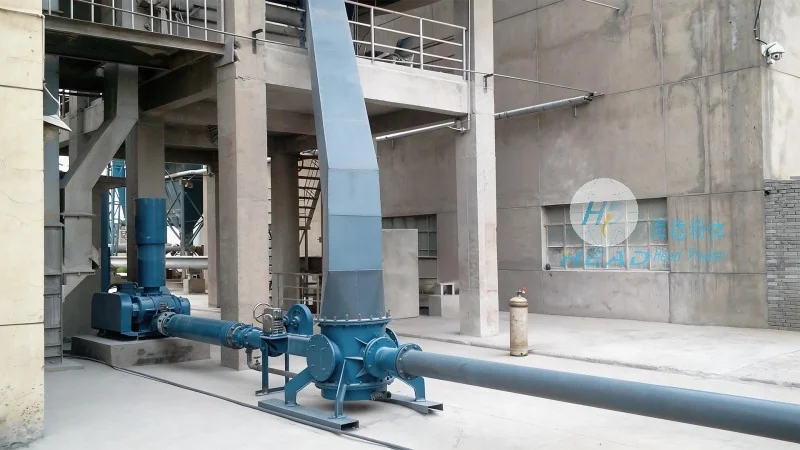
PVC resin powders are widely used in various industries, including construction, automotive, and manufacturing, due to their versatility and durability. However, their fine particle size and potential for dust generation pose challenges during transportation. Traditional methods like manual handling or mechanical conveyors may not be sufficient to meet the demands of modern production lines, which require high throughput, minimal downtime, and strict environmental compliance. Therefore, understanding the specific requirements of PVC resin powder conveying is essential for choosing the most effective solution.
Common Conveying Methods for PVC Resin Powders
Several methods are commonly employed for transporting PVC resin powders, each with its own set of advantages and limitations. The primary options include mechanical conveyors, such as screw conveyors and belt conveyors, and pneumatic conveying systems. Mechanical conveyors are often used for short-distance or bulk material handling, offering reliability and simplicity. However, they may struggle with fine powders due to the risk of clogging and material degradation. In contrast, pneumatic conveying systems provide a more flexible and efficient solution for transporting PVC resin powders over longer distances and in complex layouts.
Pneumatic Conveying: A Comprehensive Overview
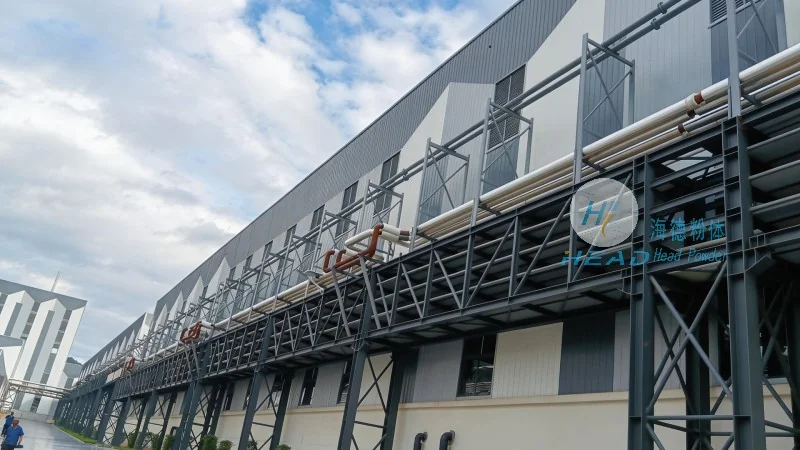
Pneumatic conveying, also known as air conveying, is a method that uses pressurized or vacuum air to move materials through a pipeline. For PVC resin powders, this technology offers several key benefits. First, it minimizes the risk of dust exposure and contamination, which is critical for maintaining product quality and adhering to environmental regulations. Second, pneumatic systems can handle fine powders without the need for additional equipment like hoppers or chutes, reducing the likelihood of clogging and material loss. Third, they provide high throughput and flexibility, allowing for integration into existing production lines or expansion as production needs grow.
Key Components of Pneumatic Conveying Systems for PVC Resin Powders
A typical pneumatic conveying system for PVC resin powders consists of several essential components. These include a material feed hopper, a blower or vacuum pump to generate airflow, a pipeline network to transport the material, and a receiver or discharge hopper at the destination. The material feed hopper is designed to store and meter the PVC resin powder, ensuring a consistent flow into the system. The blower or vacuum pump provides the necessary pressure or suction to move the material through the pipeline. The pipeline network, often made of stainless steel or other corrosion-resistant materials, is engineered to handle the fine particles and prevent blockages. Finally, the receiver or discharge hopper collects the material at the end of the conveying line, allowing for easy integration with downstream processes.
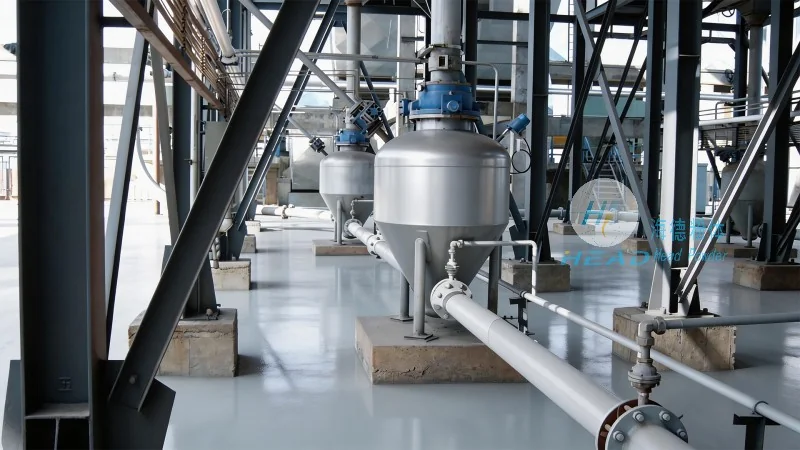
Advantages of Pneumatic Conveying for PVC Resin Powders
Compared to other conveying methods, pneumatic conveying offers several distinct advantages for PVC resin powders. One of the most significant benefits is the ability to handle fine powders without the need for additional equipment, such as hoppers or chutes. This reduces the risk of clogging and material degradation, which can be common with mechanical conveyors. Additionally, pneumatic systems provide high throughput and flexibility, allowing for integration into existing production lines or expansion as production needs grow. They also minimize dust exposure and contamination, which is critical for maintaining product quality and adhering to environmental regulations. Furthermore, pneumatic conveying systems are relatively easy to install and maintain, with fewer moving parts compared to mechanical conveyors, reducing the risk of breakdowns and downtime.
Applications of Pneumatic Conveying in PVC Resin Powder Handling
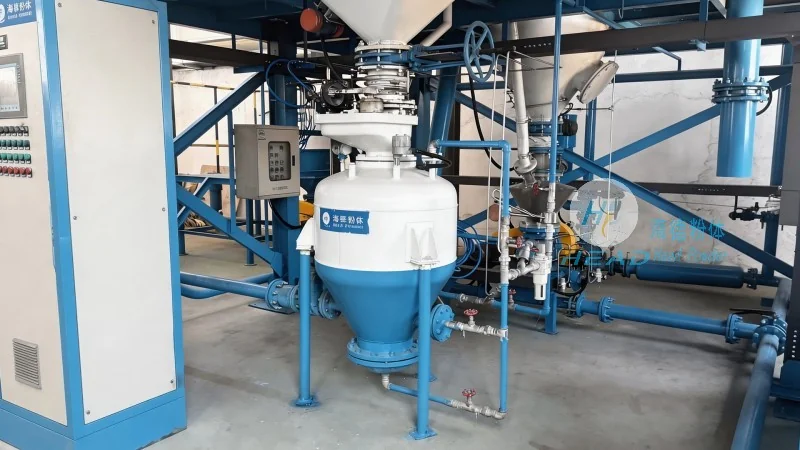
Pneumatic conveying systems are widely used in various applications involving PVC resin powders. For example, in the production of PVC pipes and profiles, pneumatic systems are used to transport raw materials from storage to processing equipment. In the automotive industry, they are employed to move PVC resin powders for interior and exterior components. In manufacturing facilities, pneumatic conveying is used to transfer PVC resin powders between different production stages, such as mixing, extrusion, and molding. The flexibility and efficiency of pneumatic systems make them ideal for these applications, as they can handle varying material volumes and flow rates while maintaining consistent quality.
Considerations for Selecting a Pneumatic Conveying System
When selecting a pneumatic conveying system for PVC resin powders, several factors must be considered to ensure optimal performance and efficiency. First, the material characteristics, such as particle size, density, and moisture content, must be evaluated to determine the appropriate system design. For example, fine powders may require higher airflow rates to prevent clogging, while coarser materials may need lower airflow rates. Second, the distance and layout of the conveying line must be considered to ensure the system can handle the required throughput without excessive energy consumption. Third, the environmental regulations and safety requirements must be taken into account to ensure the system complies with local and international standards. Finally, the cost and maintenance requirements of the system must be evaluated to ensure it fits within the budget and operational constraints of the facility.
Conclusion
Pneumatic conveying is a highly effective and versatile method for transporting PVC resin powders, offering numerous advantages over traditional mechanical conveyors. By minimizing dust exposure, reducing material degradation, and providing high throughput and flexibility, pneumatic systems are well-suited for modern production lines. As a leading provider in the field, Shandong HeadPowder Engineering Co., Ltd. offers innovative pneumatic conveying solutions tailored to the unique needs of PVC resin powder handling. Whether for short or long-distance transportation, complex layouts, or high-volume production, pneumatic conveying systems provide a reliable and efficient solution for ensuring the smooth operation of PVC resin powder handling processes.

 Shandong Headpowder Engineering Co., Ltd.
 156-6277-7102(Quản lý Trương)
  0531-83386006
  Thành phố Tế Nam, Tỉnh Sơn Đông, Trung Quốc
Điện thoại
WeChatTư vấn
Lên đầu