Với hơn 10 năm kinh nghiệm về vận chuyển khí nén, Headpowder Sơn Đông cung cấp hệ thống, thiết bị và quạt gió toàn chuỗi, đảm nhận các dự án kỹ thuật bột trọn gói trên toàn quốc.
Clay powder, a crucial additive in various industrial applications, requires efficient and reliable conveying methods to ensure smooth production processes. The choice of conveying system significantly impacts operational efficiency, material handling costs, and overall product quality. In this context, understanding the common methods for clay powder transportation is essential for industries that rely on this material.
Introduction to HeadPowder and Our Expertise
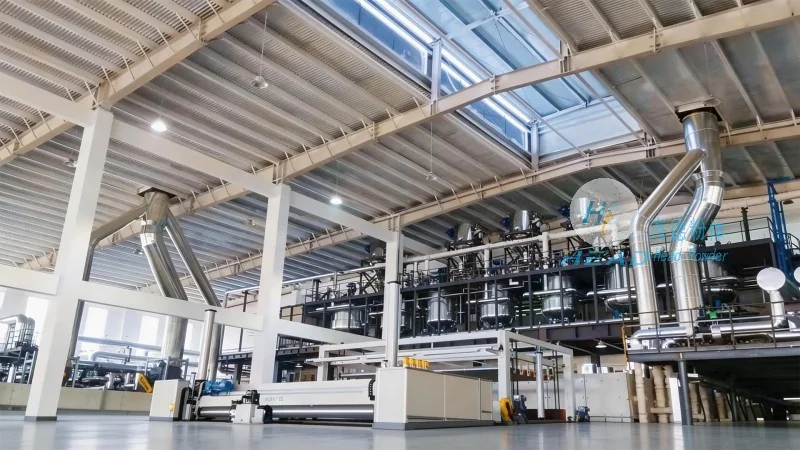
HeadPowder, a leading manufacturer based in Shandong, China, specializes in engineering solutions for material handling, particularly in the realm of fine powder conveyance. With years of experience and a deep understanding of industrial processes, HeadPowder provides tailored solutions that meet the unique demands of clients across various sectors. Our company, Shandong HeadPowder Engineering Co., Ltd., is committed to delivering high-quality equipment and services that enhance productivity and safety in material handling operations.
Common Clay Powder Conveying Methods
Several methods are employed for transporting clay powder, each with its own advantages and limitations. The primary approaches include mechanical conveyors, pneumatic conveying systems, and hydraulic systems. Among these, pneumatic conveying stands out as a preferred method for many applications due to its flexibility, ability to handle fine powders, and minimal maintenance requirements.
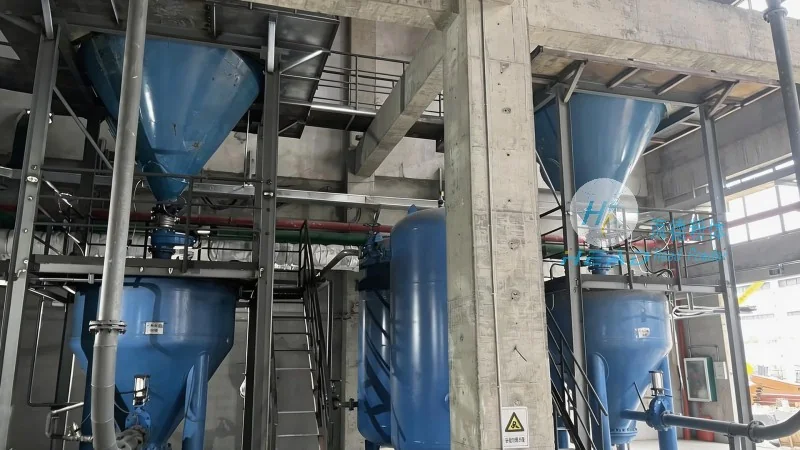
Pneumatic Conveying for Clay Powder: A Detailed Overview
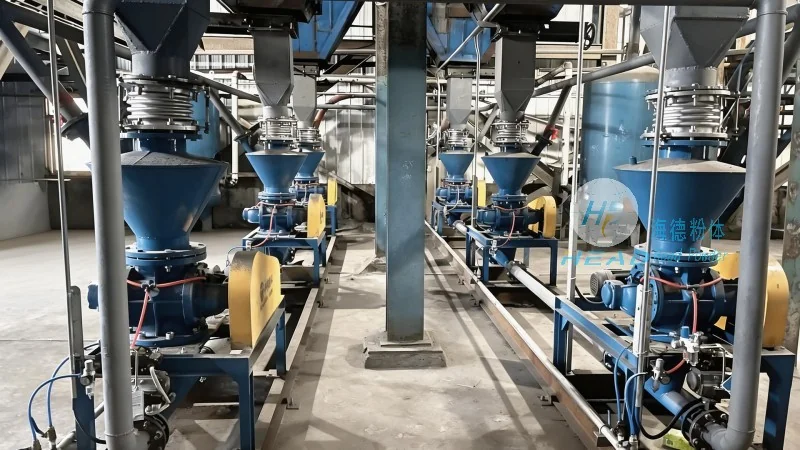
Pneumatic conveying, also known as air conveying, utilizes compressed air to transport dry powders like clay powder through a pipeline. This method offers several benefits, including the ability to convey materials over long distances, handle fine and abrasive powders without damage, and maintain a clean and dust-free environment. The system typically consists of a blower, a hopper for material storage, a conveying line, and a receiver for the material at the destination. There are two main types of pneumatic conveying: pressure and vacuum systems. Pressure systems use compressed air to push the material through the line, while vacuum systems use suction to draw the material from the source. For clay powder, which is often fine and can be prone to caking, pressure systems are commonly preferred as they provide better control and prevent material degradation.
Key Advantages of Pneumatic Conveying for Clay Powder
Implementing a pneumatic conveying system for clay powder offers numerous advantages that contribute to improved operational performance. Firstly, it enables the transportation of materials over long distances without the need for intermediate storage or transfer points, reducing the risk of material contamination and loss. Secondly, the system is highly flexible, allowing for changes in the conveying route or capacity without significant modifications to the infrastructure. Thirdly, pneumatic conveying minimizes the risk of material degradation, as the material is enclosed within the pipeline, protecting it from moisture, air, and mechanical stress. Additionally, the system is relatively low-maintenance compared to other conveying methods, as it has fewer moving parts and requires less frequent cleaning. These advantages make pneumatic conveying an ideal choice for industries that require consistent and reliable delivery of clay powder.
Considerations for Selecting the Right Conveying System
When choosing a conveying system for clay powder, several factors must be considered to ensure optimal performance and cost-effectiveness. The first consideration is the material characteristics, such as particle size, moisture content, and flowability. Clay powder is typically fine and can be cohesive, which affects the choice of system. For example, if the powder is prone to caking, a pressure system with a high-pressure blower may be more suitable to prevent blockages. The second factor is the distance and layout of the conveying route. For short distances, a simple pressure system may suffice, while for long distances or complex layouts, a combination of pressure and vacuum systems or a more advanced system like a positive displacement blower may be required. The third consideration is the required capacity and flow rate. The system must be capable of handling the desired throughput without causing excessive pressure drops or material degradation. Finally, the budget and maintenance requirements should be evaluated. While pneumatic conveying may have higher initial costs compared to some mechanical systems, its long-term benefits in terms of efficiency and reliability often outweigh the investment.
Conclusion: Choosing the Right Conveying Solution for Clay Powder
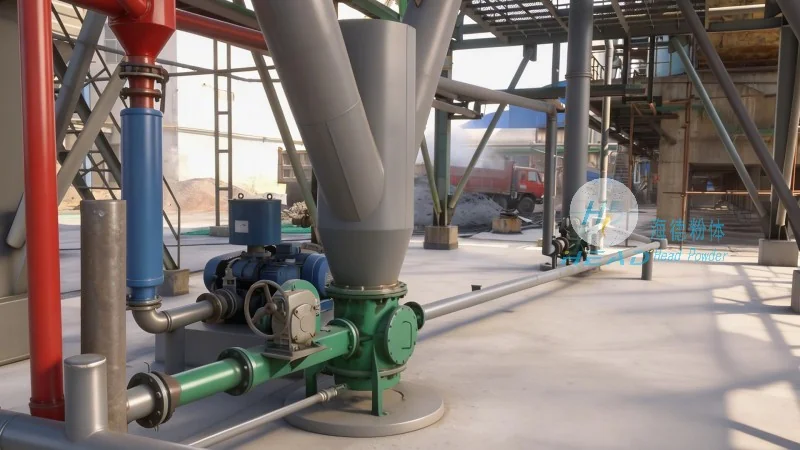
For industries that rely on clay powder, selecting the appropriate conveying method is critical to maintaining operational efficiency and product quality. Pneumatic conveying, particularly pressure systems, offers a robust and flexible solution for transporting fine clay powders. By understanding the material characteristics, conveying distance, and operational requirements, companies can make informed decisions that lead to optimized material handling processes. HeadPowder, with its expertise in engineering and manufacturing, provides tailored pneumatic conveying solutions that meet the specific needs of clients. Our commitment to quality and customer satisfaction ensures that clients receive systems that are not only efficient but also durable and easy to maintain. Whether for short or long-distance transportation, HeadPowder's solutions are designed to enhance productivity and ensure the safe and reliable delivery of clay powder in various industrial applications.

 Shandong Headpowder Engineering Co., Ltd.
 156-6277-7102(Quản lý Trương)
  0531-83386006
  Thành phố Tế Nam, Tỉnh Sơn Đông, Trung Quốc
Điện thoại
WeChatTư vấn
Lên đầu