Với hơn 10 năm kinh nghiệm về vận chuyển khí nén, Headpowder Sơn Đông cung cấp hệ thống, thiết bị và quạt gió toàn chuỗi, đảm nhận các dự án kỹ thuật bột trọn gói trên toàn quốc.
When it comes to transporting polyvinyl chloride (PVC), selecting the right conveying method is crucial for efficiency, cost-effectiveness, and material integrity. Among the various options available, pneumatic conveying stands out as a versatile and efficient solution for handling PVC materials. This article explores common PVC conveying methods, with a focus on the advantages and applications of pneumatic conveying systems.
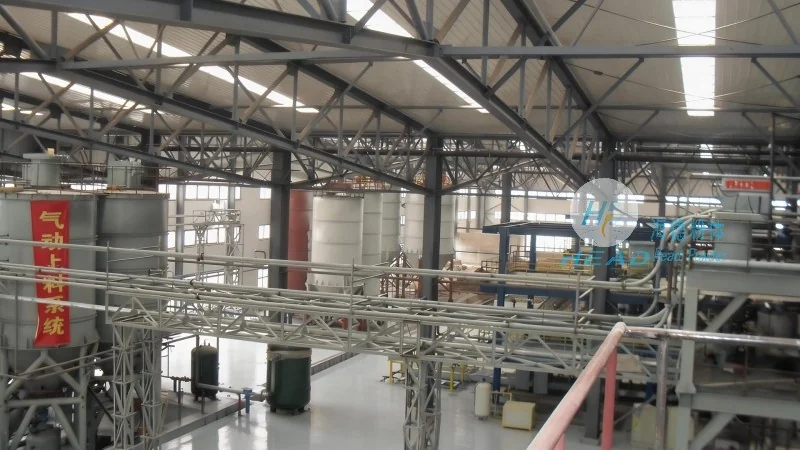
Pneumatic Conveying Systems for PVC: How They Work
Pneumatic conveying uses air or other gases to transport bulk materials like PVC through a pipeline system. This method can be categorized into two main types: pressure and vacuum systems. Pressure systems utilize compressed air to push the material forward, while vacuum systems use a vacuum to pull the material into the pipeline. Both approaches offer unique benefits depending on the specific requirements of the PVC handling operation.
Key Advantages of PVC Pneumatic Conveying
One of the primary advantages of pneumatic conveying for PVC is its ability to handle fine powders and granules without the need for mechanical components that might cause wear or contamination. The enclosed pipeline system also minimizes dust exposure, making it safer for both operators and the environment. Additionally, pneumatic systems can be designed to operate in a closed loop, reducing material loss and improving overall process control.
Applications of PVC Pneumatic Conveying
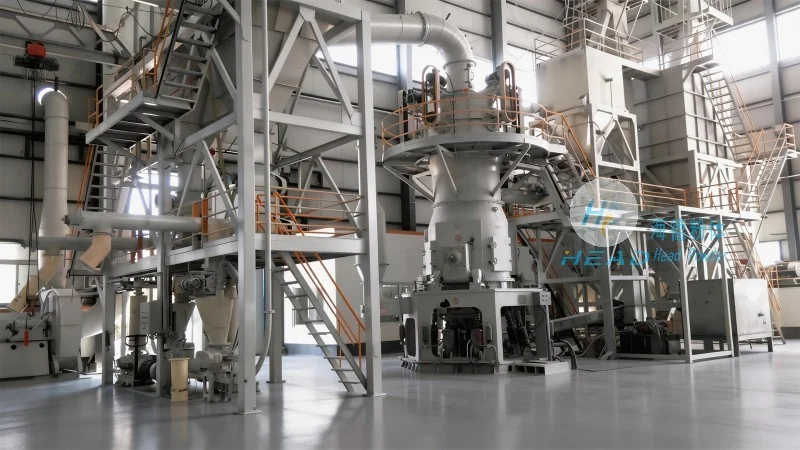
Pneumatic conveying is widely used in the PVC industry for applications such as raw material transport from storage silos to processing equipment, intermediate product transfer between production stages, and finished product delivery to packaging or storage areas. The flexibility of pneumatic systems allows them to be integrated into existing production lines or used as standalone conveying solutions, making them suitable for a wide range of industrial settings.
Considerations for Implementing PVC Pneumatic Conveying
When implementing a pneumatic conveying system for PVC, several factors must be considered to ensure optimal performance. These include the particle size and density of the PVC material, the required conveying distance and speed, and the system's pressure or vacuum requirements. Proper system design, including the selection of appropriate pipeline materials and components, is critical to prevent material buildup, clogging, or degradation. Regular maintenance and monitoring are also essential to maintain system efficiency and longevity.
HeadPowder Engineering: Your Partner in PVC Conveying Solutions
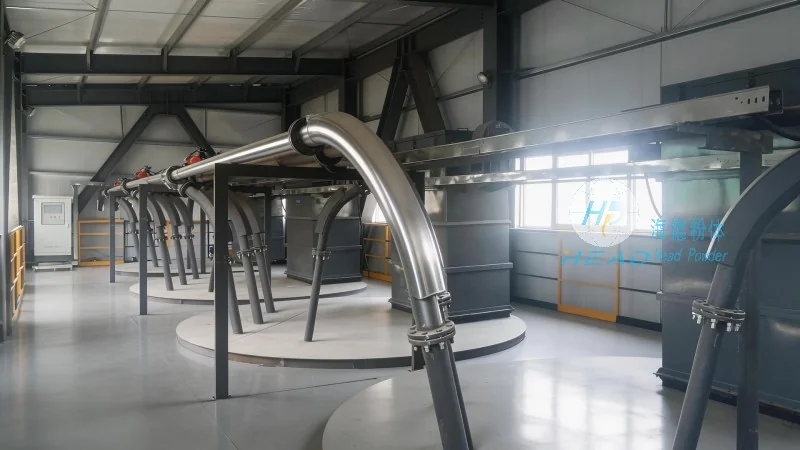
At Shandong HeadPowder Engineering Co., Ltd., we specialize in providing high-quality pneumatic conveying systems tailored to the unique needs of PVC processing facilities. Our team of experts works closely with clients to design and implement customized solutions that enhance operational efficiency, reduce costs, and ensure material integrity. With years of experience in the industry, we understand the challenges of handling PVC materials and are committed to delivering reliable, durable, and efficient conveying systems that meet the highest standards of performance and safety.
Conclusion: Choosing the Right PVC Conveying Method
For businesses dealing with polyvinyl chloride, selecting the appropriate conveying method is a critical decision that impacts productivity and profitability. While various options exist, pneumatic conveying offers a robust and flexible solution that addresses many of the challenges associated with PVC handling. By understanding the principles and applications of pneumatic conveying, as well as considering the specific requirements of your operation, you can make an informed choice that maximizes efficiency and ensures the successful transport of PVC materials. Whether you are a new or existing PVC processor, partnering with a reputable provider like HeadPowder Engineering can help you achieve optimal conveying performance and support your long-term business goals.

 Shandong Headpowder Engineering Co., Ltd.
 156-6277-7102(Quản lý Trương)
  0531-83386006
  Thành phố Tế Nam, Tỉnh Sơn Đông, Trung Quốc
Điện thoại
WeChatTư vấn
Lên đầu