Với hơn 10 năm kinh nghiệm về vận chuyển khí nén, Headpowder Sơn Đông cung cấp hệ thống, thiết bị và quạt gió toàn chuỗi, đảm nhận các dự án kỹ thuật bột trọn gói trên toàn quốc.
Shandong HeadPowder Engineering Co., Ltd., a leading enterprise based in Shandong, China, specializes in the research, development, and application of advanced powder handling technologies. With a focus on providing efficient and reliable solutions for the transportation of artificial graphite, the company has established itself as a trusted partner in the industry. This article aims to explore common artificial graphite conveying methods, with a particular emphasis on the advantages and applications of pneumatic conveying systems.
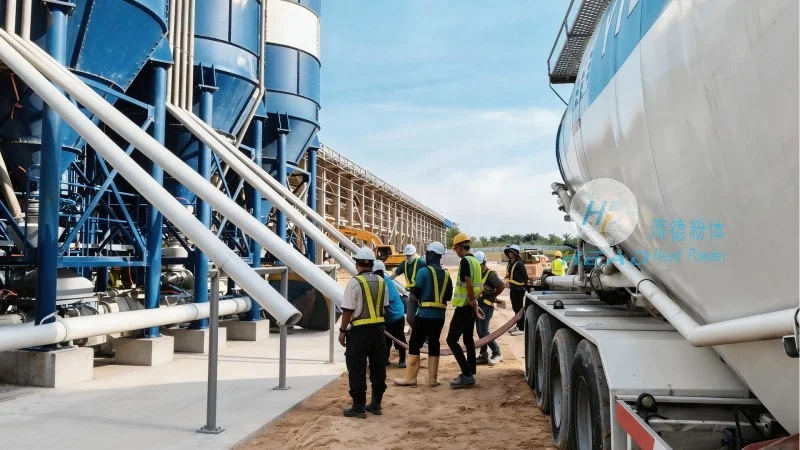
Overview of Artificial Graphite Conveying Methods
Artificial graphite, a high-purity carbon material widely used in various industrial applications such as battery manufacturing, lubricants, and refractory materials, requires efficient and safe transportation methods to maintain its quality and integrity. Conventional conveying methods include manual handling, mechanical systems like belt conveyors, and more advanced pneumatic systems. Each method has its own set of advantages and limitations, making the selection of an appropriate system crucial for industrial operations.
Pneumatic Conveying: The Preferred Method for Artificial Graphite
Pneumatic conveying, also known as air-based or gas-based transportation, is increasingly becoming the preferred method for handling artificial graphite due to its ability to transport powders over long distances with minimal product degradation. This technology involves the use of compressed air to move the material through a pipeline system, offering several key benefits. Firstly, it provides a closed system that prevents contamination and dust exposure, which is critical for maintaining the purity of artificial graphite. Secondly, pneumatic systems can handle fine powders and abrasive materials without causing excessive wear or damage, ensuring the integrity of the product. Thirdly, they offer flexibility in terms of layout and can be integrated with other processing equipment, making them suitable for complex industrial setups.
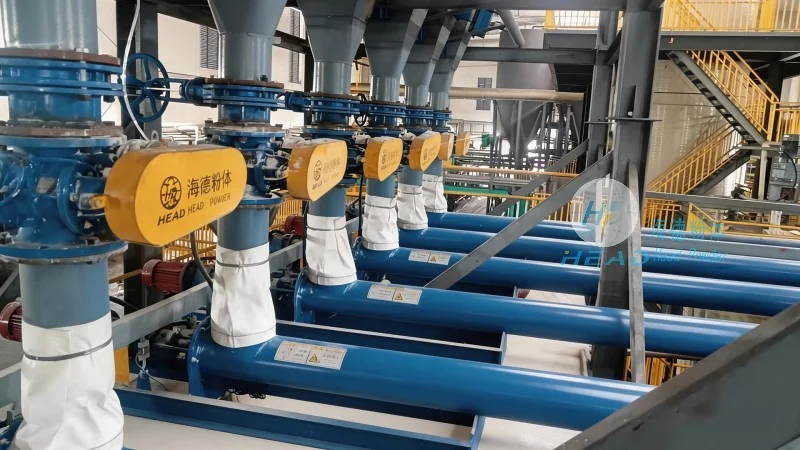
Types of Pneumatic Conveying Systems for Artificial Graphite
There are two main types of pneumatic conveying systems used for artificial graphite: pressure and vacuum systems. Pressure systems use compressed air to push the material through the pipeline, while vacuum systems use a vacuum to pull the material. The choice between these systems depends on factors such as the distance to be covered, the volume of material to be transported, and the layout of the industrial facility. For artificial graphite, pressure systems are often preferred for long-distance transportation due to their higher efficiency and ability to handle larger volumes. However, vacuum systems are suitable for shorter distances or when the material needs to be transported from a lower elevation to a higher one.
Advantages of Pneumatic Conveying for Artificial Graphite
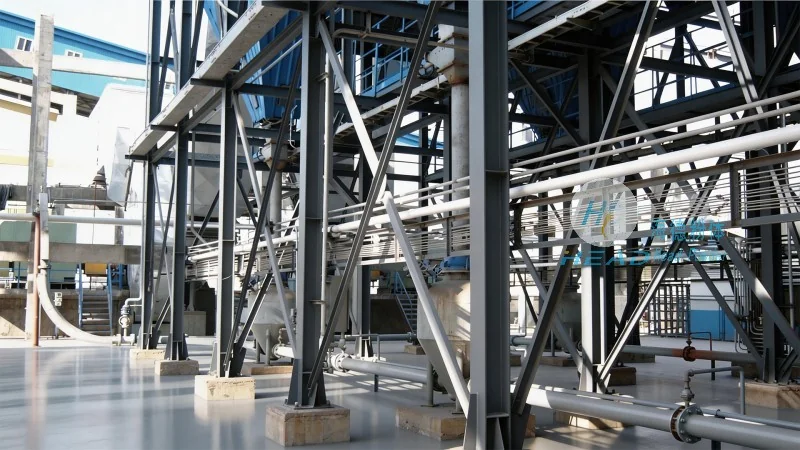
Implementing pneumatic conveying systems for artificial graphite offers numerous advantages that enhance operational efficiency and product quality. One of the primary benefits is the reduction in material handling time and labor costs. By automating the transportation process, companies can streamline their production lines and improve overall productivity. Additionally, pneumatic systems minimize the risk of product contamination and exposure to environmental factors, which is essential for maintaining the high purity standards required in applications like battery anodes. The closed system design also helps in controlling dust emissions, contributing to a safer working environment and compliance with environmental regulations.
Key Considerations in Designing Pneumatic Conveying Systems for Artificial Graphite
When designing a pneumatic conveying system for artificial graphite, several factors must be carefully considered to ensure optimal performance and longevity. The first consideration is the material's properties, such as its particle size, density, and flowability. Artificial graphite is typically a fine powder with a high density, which can affect the system's pressure requirements and pipeline design. The second factor is the distance and elevation changes between the source and destination. Longer distances or significant elevation changes may require higher air pressure or additional equipment like booster pumps. Thirdly, the system's capacity and throughput must be matched to the production requirements to avoid bottlenecks or underutilization. Finally, the material's abrasiveness and potential for caking or agglomeration need to be addressed through proper equipment selection, such as using lined pipelines or incorporating vibration systems to maintain flow.
Conclusion: Choosing the Right Conveying Method for Artificial Graphite
Artificial graphite is a critical material in modern industry, and the choice of conveying method directly impacts its performance and value. While traditional methods like manual handling and mechanical conveyors have their uses, pneumatic conveying systems offer superior efficiency, safety, and product protection. Shandong HeadPowder Engineering Co., Ltd. specializes in designing and implementing customized pneumatic conveying solutions tailored to the specific needs of artificial graphite applications. By leveraging advanced technology and industry expertise, the company helps clients optimize their material handling processes, reduce costs, and enhance product quality. Whether for long-distance transportation or integration with complex production lines, pneumatic conveying remains the most effective solution for artificial graphite, ensuring reliable and efficient operation in various industrial settings.

 Shandong Headpowder Engineering Co., Ltd.
 156-6277-7102(Quản lý Trương)
  0531-83386006
  Thành phố Tế Nam, Tỉnh Sơn Đông, Trung Quốc
Điện thoại
WeChatTư vấn
Lên đầu