Với hơn 10 năm kinh nghiệm về vận chuyển khí nén, Headpowder Sơn Đông cung cấp hệ thống, thiết bị và quạt gió toàn chuỗi, đảm nhận các dự án kỹ thuật bột trọn gói trên toàn quốc.
Efficient and reliable dust and fly ash conveying is a critical aspect of industrial operations, particularly in power plants, cement factories, and other facilities that generate large volumes of fine particulate matter. The choice of conveying method directly impacts operational efficiency, cost-effectiveness, and environmental compliance. This article provides a detailed comparison of common dust and fly ash conveying methods, highlighting their advantages, limitations, and typical applications. The information is presented by Shandong HeadPowder Engineering Co., Ltd., a leading provider of dust handling solutions based in Shandong, China.
Understanding Dust and Fly Ash Conveying
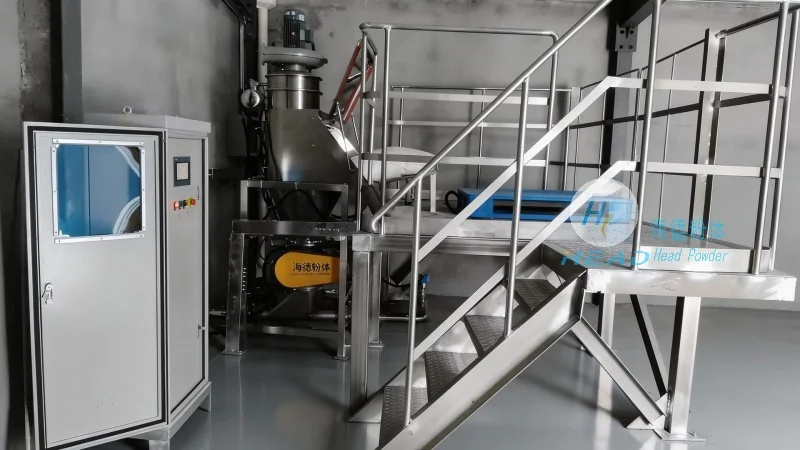
Dust and fly ash are fine particles that can pose significant challenges during transport due to their light weight, abrasive nature, and tendency to create dust clouds. Conveying systems must be designed to handle these characteristics while minimizing material loss, equipment wear, and environmental impact. The primary goal of any conveying system is to transport the material from its source to the storage or treatment location with minimal energy consumption and operational downtime.
Common Conveying Methods
Several methods are widely used for dust and fly ash transport, each with distinct characteristics suited to different operational requirements. The most common approaches include pneumatic conveying, screw conveyors, belt conveyors, and hydraulic systems. Below is a detailed analysis of each method, focusing on their design principles, operational performance, and suitability for various industrial applications.
Pneumatic Conveying Systems
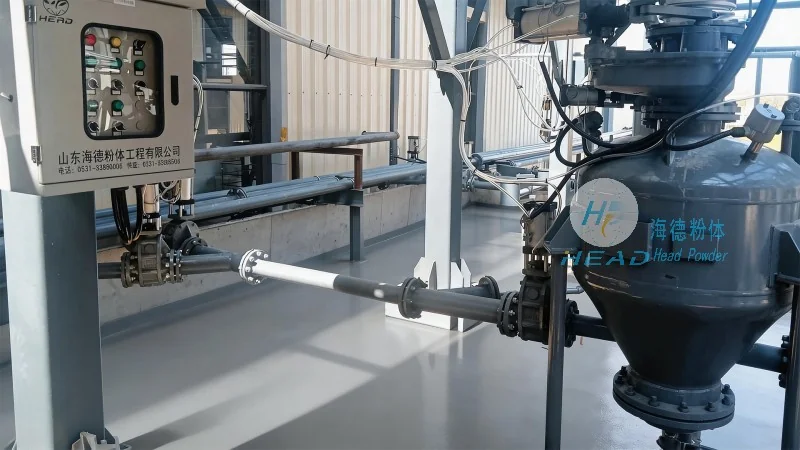
Pneumatic conveying uses air or gas to transport dry materials through a pipeline. This method is particularly effective for fine, non-abrasive dust and fly ash, as it minimizes material degradation and equipment wear. There are two main types of pneumatic conveying: pressure and vacuum systems. Pressure systems use compressed air to push material through the pipeline, while vacuum systems use suction to draw material into the system. Pneumatic conveying is ideal for long-distance transport and can handle materials with high moisture content or corrosive properties. However, it requires careful design to prevent air leakage and material buildup in the pipeline. The system's efficiency depends on the air velocity, pipeline diameter, and material characteristics. For example, Shandong HeadPowder Engineering Co., Ltd. specializes in designing custom pneumatic conveying solutions that optimize air usage and minimize energy costs.
Screw Conveyors
Screw conveyors, also known as auger conveyors, use a rotating screw to move material along a trough. This method is suitable for transporting dry, free-flowing dust and fly ash, especially when the material is abrasive or has a high bulk density. Screw conveyors are relatively simple in design, requiring minimal maintenance and low initial investment. They are commonly used in applications where the material is to be conveyed over short distances, such as from a hopper to a storage silo. However, screw conveyors are not suitable for materials that are too fine or have a tendency to clog the screw. They also generate more heat due to friction, which can affect the material's properties. The speed and pitch of the screw can be adjusted to control the conveying rate and prevent material degradation.
Belt Conveyors
Belt conveyors use a continuous belt to transport material over a series of rollers. This method is ideal for transporting large volumes of dust and fly ash over long distances, such as from a power plant to a storage facility. Belt conveyors are highly efficient and can handle a wide range of material types, including abrasive and corrosive materials. They are also relatively low maintenance and can be designed to operate in harsh environments. However, belt conveyors require more space and higher initial investment compared to other methods. The belt material must be selected carefully to withstand the material's abrasive properties and prevent wear and tear. Additionally, belt conveyors are susceptible to material buildup and require regular cleaning to maintain efficiency.
Hydraulic Conveying Systems
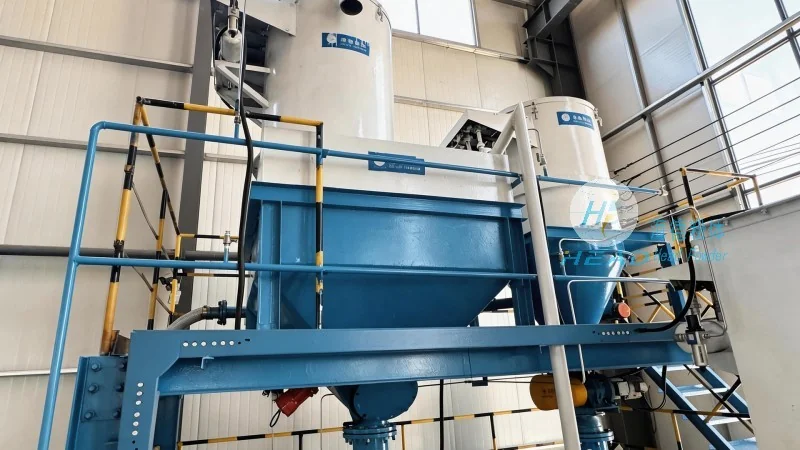
Hydraulic conveying uses water or a slurry to transport material through a pipeline. This method is suitable for transporting wet or sticky dust and fly ash, especially when the material is too fine to be handled by other methods. Hydraulic systems are effective for long-distance transport and can handle high volumes of material. However, they require additional equipment for slurry preparation and disposal, increasing operational costs. The system's efficiency depends on the water flow rate and the material's density. Hydraulic conveying is commonly used in mining and mineral processing industries but is less common in power plants due to the need for additional treatment of the slurry.
Choosing the Right Conveying Method
The selection of a dust and fly ash conveying method depends on several factors, including the material characteristics, transport distance, operational requirements, and budget constraints. Pneumatic conveying is often preferred for fine, non-abrasive materials and long-distance transport, while screw and belt conveyors are more suitable for abrasive or high-volume materials over shorter distances. Hydraulic systems are typically used for wet or sticky materials. It is essential to consider the material's particle size, moisture content, and flowability when choosing a conveying system. Additionally, the system's compatibility with existing infrastructure and the need for maintenance should be evaluated. Shandong HeadPowder Engineering Co., Ltd. offers comprehensive consulting services to help clients select the most appropriate conveying method based on their specific needs and operational goals.
Conclusion
Efficient dust and fly ash conveying is crucial for maintaining operational efficiency and environmental compliance in industrial facilities. The choice of conveying method significantly impacts the overall performance and cost of the system. By understanding the characteristics and limitations of each method, facility managers can make informed decisions that optimize material transport while minimizing downtime and maintenance costs. Shandong HeadPowder Engineering Co., Ltd. provides expert solutions for dust handling, including custom conveying systems tailored to the unique requirements of each client. With a focus on reliability and efficiency, HeadPowder helps industrial facilities achieve their operational goals while adhering to environmental standards.

 Shandong Headpowder Engineering Co., Ltd.
 156-6277-7102(Quản lý Trương)
  0531-83386006
  Thành phố Tế Nam, Tỉnh Sơn Đông, Trung Quốc
Điện thoại
WeChatTư vấn
Lên đầu