Với hơn 10 năm kinh nghiệm về vận chuyển khí nén, Headpowder Sơn Đông cung cấp hệ thống, thiết bị và quạt gió toàn chuỗi, đảm nhận các dự án kỹ thuật bột trọn gói trên toàn quốc.
HeadPowder, a leading manufacturer in the field of lithium-ion battery material processing, specializes in providing efficient and reliable transport solutions for electrode materials. This article provides a detailed comparison of common transport methods used for positive and negative electrode materials in lithium-ion battery production, focusing on the technical aspects, advantages, and practical applications of each method.
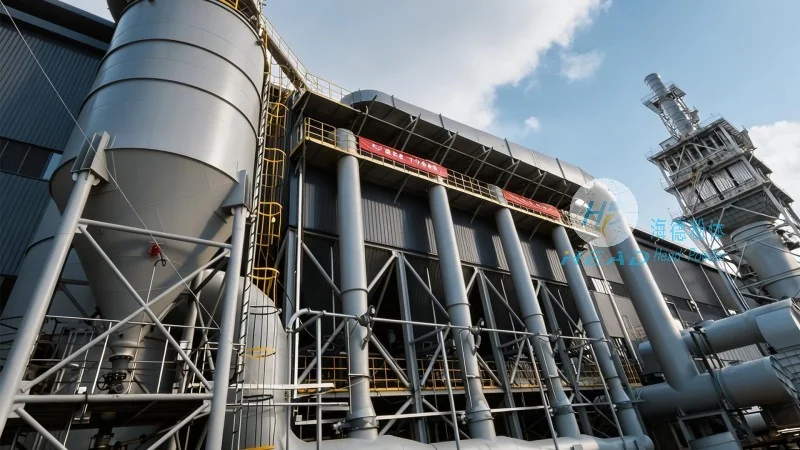
Introduction to Electrode Material Transport in Lithium-Ion Batteries
Lithium-ion battery production involves the precise handling and transport of various electrode materials, including positive electrode active materials (such as lithium cobalt oxide, lithium nickel manganese cobalt oxide, and lithium iron phosphate) and negative electrode active materials (such as graphite, silicon-based materials, and other anode compounds). The efficiency and safety of the transport process directly impact the overall quality and performance of the final battery products. HeadPowder, with its expertise in material engineering, offers tailored transport solutions to meet the specific requirements of different electrode materials.
Common Transport Methods for Positive Electrode Materials
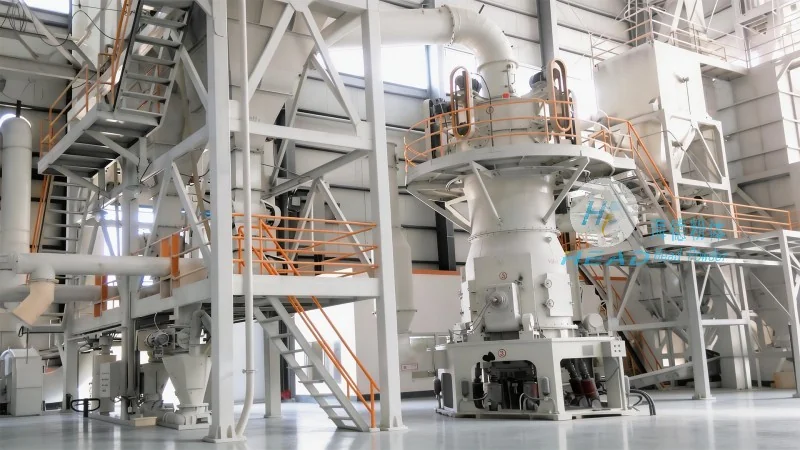
Positive electrode materials are typically transported using methods that ensure minimal contamination and maintain the material's chemical stability. One common method is the use of pneumatic conveying systems, which utilize compressed air to move powders through pipelines. This method is particularly effective for materials like lithium cobalt oxide (LiCoO₂) and lithium nickel manganese cobalt oxide (NMC), which are sensitive to moisture and oxygen. The pneumatic conveying system at HeadPowder is designed with high-precision components to prevent material degradation and ensure consistent flow rates. Another method is the use of screw conveyors, which are suitable for bulk handling of larger particle size materials. Screw conveyors provide a continuous and controlled transport process, reducing the risk of material segregation and ensuring uniform mixing. HeadPowder's screw conveyor systems are equipped with adjustable speed controls and material feed mechanisms to adapt to different material properties and production scales.
Common Transport Methods for Negative Electrode Materials
Negative electrode materials, such as graphite and silicon-based compounds, require different transport approaches due to their unique physical and chemical properties. For graphite, which is often in the form of fine powders, the use of vacuum conveying systems is prevalent. Vacuum conveying allows for gentle handling of delicate materials, minimizing particle breakage and maintaining the material's surface area. HeadPowder's vacuum conveying systems are designed with low-pressure operation to prevent material oxidation and ensure a clean transport environment. For silicon-based negative electrode materials, which have higher reactivity and are prone to agglomeration, the use of fluidized bed transport systems is common. Fluidized bed transport involves passing air or gas through a bed of material, creating a fluid-like state that facilitates uniform movement. This method is effective for handling sticky or cohesive materials and ensures consistent particle distribution. HeadPowder's fluidized bed systems are equipped with temperature control and particle size monitoring to maintain material quality during transport.
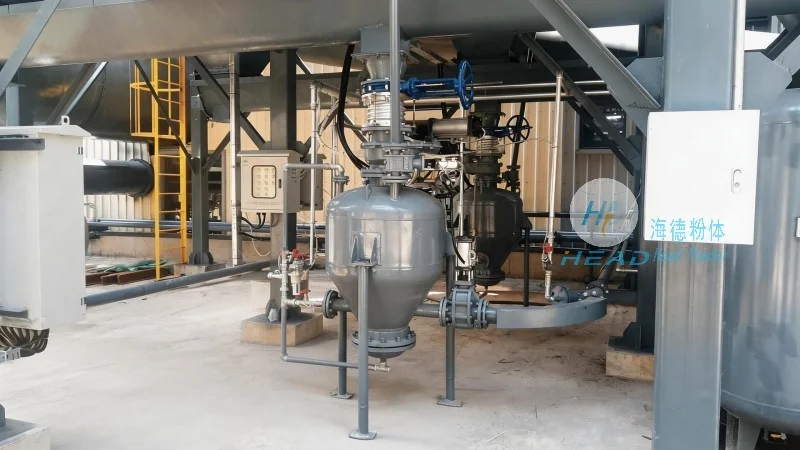
Comparison of Transport Methods: Advantages and Limitations
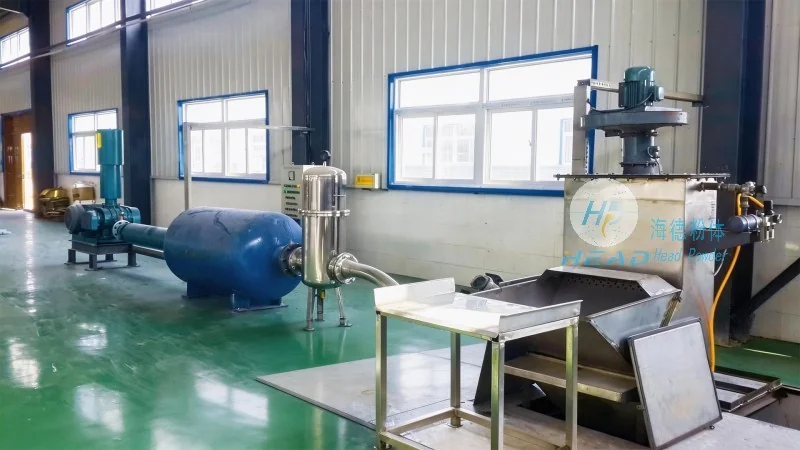
When comparing the common transport methods for lithium-ion battery electrode materials, several factors need to be considered, including material properties, production scale, and environmental requirements. Pneumatic conveying systems offer high transport efficiency and flexibility, making them suitable for small to medium-scale production. However, they may not be ideal for materials with high moisture sensitivity or those that require gentle handling. Screw conveyors provide reliable bulk transport but may cause material degradation due to friction and compression. Vacuum conveying systems are excellent for delicate materials but may have lower throughput compared to pneumatic systems. Fluidized bed transport is effective for cohesive materials but requires careful control to prevent material degradation. HeadPowder's transport solutions are designed to address these limitations by integrating advanced technologies and customized components, ensuring optimal performance for different electrode materials.
HeadPowder's Expertise in Electrode Material Transport
As a leading provider of lithium-ion battery material processing solutions, HeadPowder has extensive experience in developing and implementing efficient transport systems for electrode materials. The company's engineers work closely with clients to understand their specific material characteristics and production requirements, providing tailored transport solutions that meet industry standards. HeadPowder's transport systems are equipped with advanced monitoring and control features, including real-time particle size analysis, temperature monitoring, and flow rate control, to ensure consistent material quality throughout the transport process. The company's commitment to quality and innovation has made it a trusted partner for many lithium-ion battery manufacturers worldwide. With its headquarters in Shandong, China, HeadPowder continues to lead the industry in providing reliable and efficient transport solutions for lithium-ion battery electrode materials.

 Shandong Headpowder Engineering Co., Ltd.
 156-6277-7102(Quản lý Trương)
  0531-83386006
  Thành phố Tế Nam, Tỉnh Sơn Đông, Trung Quốc
Điện thoại
WeChatTư vấn
Lên đầu