Với hơn 10 năm kinh nghiệm về vận chuyển khí nén, Headpowder Sơn Đông cung cấp hệ thống, thiết bị và quạt gió toàn chuỗi, đảm nhận các dự án kỹ thuật bột trọn gói trên toàn quốc.
When it comes to handling and transporting gypsum, selecting the right method is crucial for efficiency and cost-effectiveness. As a leading provider in the industry, Shandong HeadPowder Engineering Co., Ltd. offers expertise in various gypsum transport solutions tailored to different applications and operational needs. This article explores the primary types of gypsum transport methods, highlighting their advantages and typical use cases.
1. Pneumatic Conveying Systems
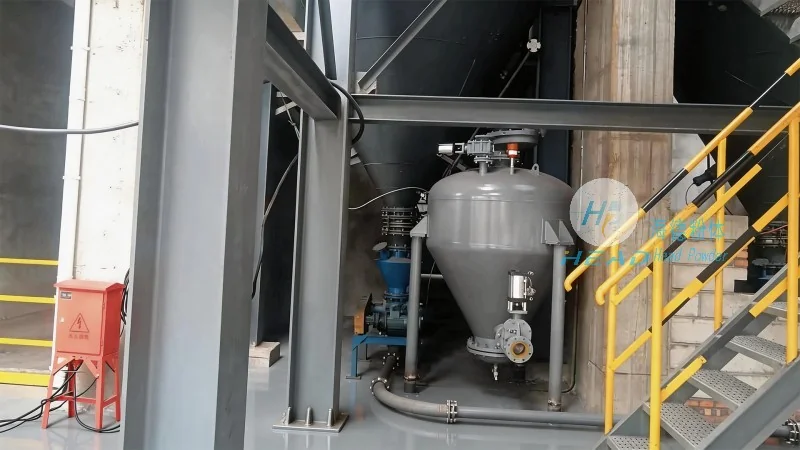
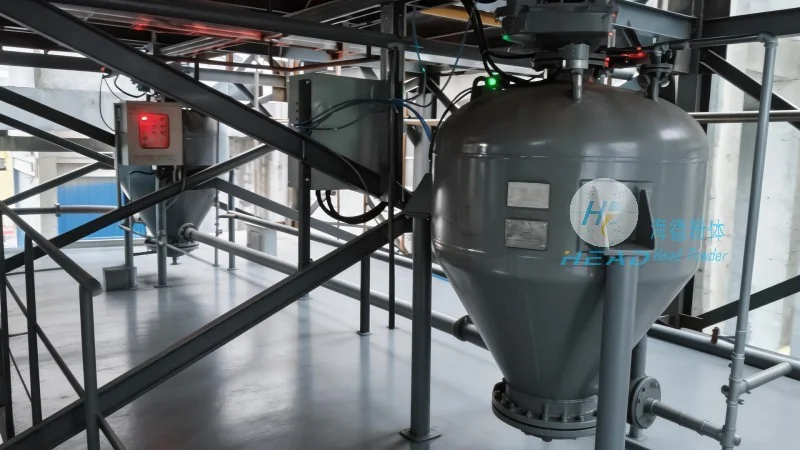
Pneumatic conveying, also known as air-based transport, is a popular method for moving gypsum in bulk. This technology uses compressed air to create a flow that carries the material through a pipeline. The system typically consists of a hopper, a blower, and a receiver. The compressed air forces the gypsum particles into the pipeline, allowing for a continuous and relatively dust-free transfer. Pneumatic conveying is especially effective for transporting gypsum over short to medium distances, such as within a factory or between adjacent facilities. The system is known for its ability to handle fine or powdery gypsum without the need for additional equipment like buckets or trucks. However, it may require more energy compared to other methods and can be less suitable for very large volumes or heavy-duty applications.
2. Belt Conveyors
Belt conveyors are a classic and widely used method for transporting gypsum, particularly in industrial settings. These systems feature a continuous loop of a durable belt that moves over rollers or pulleys. The gypsum is placed on the belt at one end, and the belt transports it to the desired location. Belt conveyors are highly efficient for moving gypsum over longer distances and can handle large quantities with minimal labor. They are often used in mining, construction, and manufacturing processes where consistent and reliable transport is essential. The key advantages of belt conveyors include their ability to operate continuously, low maintenance requirements, and adaptability to various environments. However, they may not be ideal for very fine or powdery gypsum, as the material can sometimes fall through the belt or cause uneven distribution. Proper design and maintenance are crucial to ensure optimal performance.
3. Screw Conveyors
Screw conveyors, also called auger conveyors, are another common method for transporting gypsum. This system uses a rotating screw or auger to move the material along a trough. The screw is typically made of metal and is designed to push the gypsum forward as it rotates. Screw conveyors are well-suited for handling bulk gypsum in confined spaces or vertical applications, such as elevating the material from a lower to a higher level. They are particularly effective for transporting wet or sticky gypsum, as the screw can help break up clumps and ensure smooth movement. The system is relatively simple and low-cost compared to other methods, making it a popular choice for smaller operations or specific tasks. However, screw conveyors may not be suitable for very fine or abrasive gypsum, as the screw can wear out quickly and cause material degradation. Regular inspection and replacement of the screw are necessary to maintain efficiency.
4. Hydraulic Conveying
Hydraulic conveying systems use water or a slurry to transport gypsum through a pipeline. The gypsum is mixed with water to create a slurry, which is then pumped through the system. This method is often used in applications where the gypsum needs to be transported over long distances or through complex layouts. Hydraulic conveying is particularly effective for handling wet or high-moisture gypsum, as the slurry can help prevent clogging and ensure consistent flow. The system is known for its ability to transport large volumes of material with minimal energy consumption compared to pneumatic systems. However, it requires additional equipment for mixing and pumping, and the process may be less suitable for dry or fine gypsum, as the slurry can cause issues with separation and drying. Proper maintenance of the hydraulic components is essential to avoid breakdowns and ensure reliable operation.
5. Truck and Rail Transport
For transporting gypsum over longer distances or to different locations, truck and rail transport are common methods. Trucks can be used to haul gypsum in bulk containers or trailers, while rail transport involves specialized cars designed to carry the material. These methods are particularly useful when the gypsum needs to be delivered to remote sites or when large quantities are involved. Truck and rail transport are often more cost-effective for long-distance moves compared to other methods, as they can handle high volumes with fewer operational steps. However, they may be less flexible for short or frequent trips and can be affected by traffic or weather conditions. Proper loading and unloading procedures are crucial to ensure the material remains intact and does not cause damage to the transport vehicles.
6. Manual and Mechanical Handling
In some cases, manual or mechanical handling methods may be used for transporting gypsum, especially in smaller operations or for specific tasks. This can include using buckets, shovels, or forklifts to move smaller quantities of gypsum. Manual handling is typically used for short distances or when the volume is low, while mechanical equipment like forklifts can assist with larger loads. These methods are generally less efficient and more labor-intensive compared to automated systems but may be necessary in certain situations. The choice of manual or mechanical handling depends on factors such as the quantity of gypsum, the distance to be moved, and the available resources. Proper training and safety measures are essential when using manual or mechanical handling equipment to prevent accidents and ensure worker safety.
Choosing the right gypsum transport method depends on several factors, including the type and quantity of gypsum, the distance to be transported, the operational environment, and the budget. Shandong HeadPowder Engineering Co., Ltd. provides comprehensive solutions and expert advice to help clients select the most suitable transport method for their specific needs. By understanding the advantages and limitations of each method, businesses can optimize their operations, reduce costs, and improve overall efficiency in gypsum handling and transport.

 Shandong Headpowder Engineering Co., Ltd.
 156-6277-7102(Quản lý Trương)
  0531-83386006
  Thành phố Tế Nam, Tỉnh Sơn Đông, Trung Quốc
Điện thoại
WeChatTư vấn
Lên đầu